Masonry Services for Commercial Properties in Orange County and Lake County, FL: 2026 Upgrades That Matter

Commercial properties in Orange County and Lake County are competing harder than ever. Here's what smart property owners are upgrading in 2026 — and why it matters.

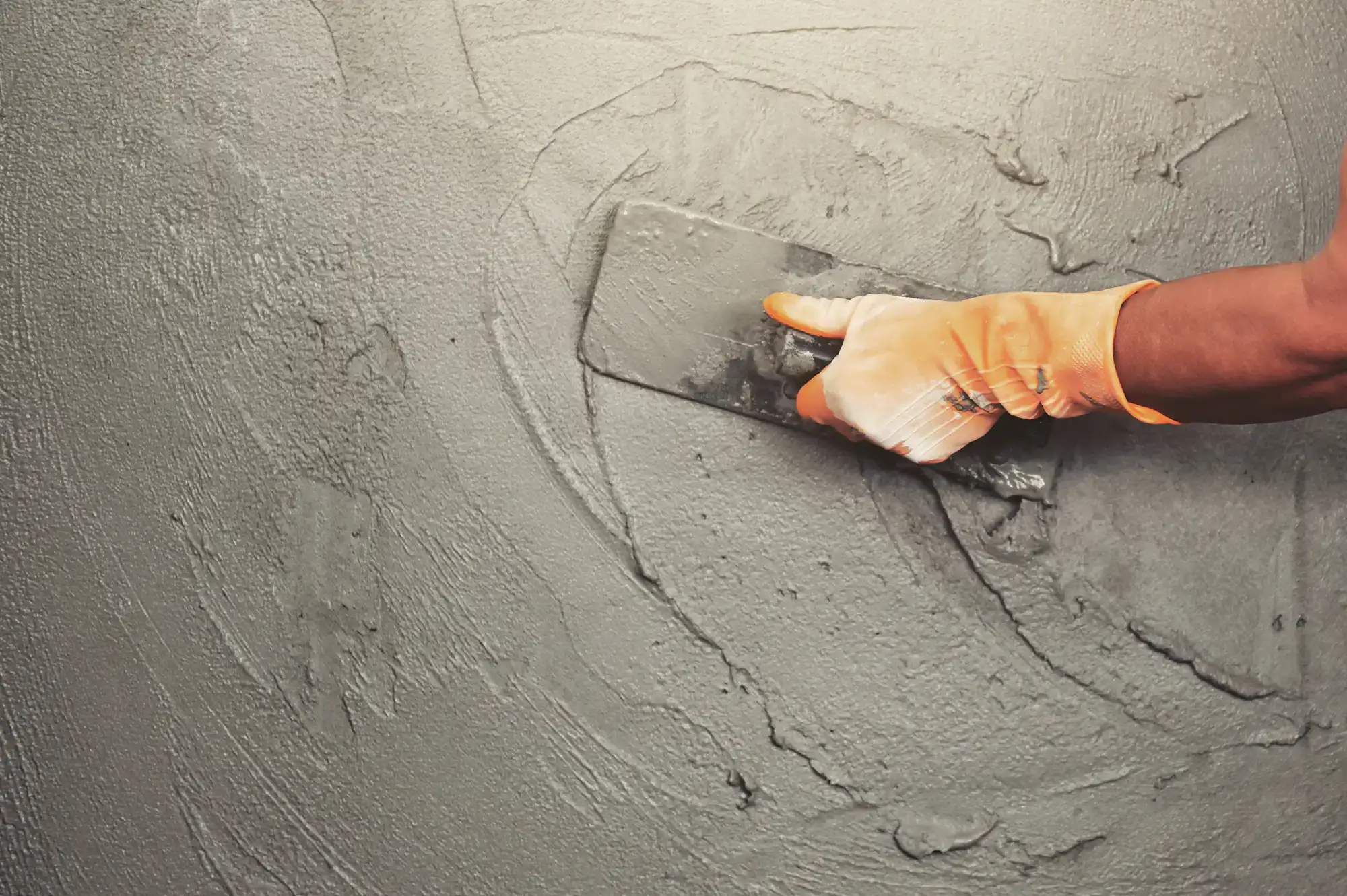
Person smoothing concrete surface with trowel for masonry work.

Commercial real estate in Orange County and Lake County is as competitive as it’s ever been. New developments are coming online along US-27 in Clermont, in Lake Nona, along the I-Drive corridor, and throughout the SR-50 corridor — and every one of them is raising the bar for what tenants expect from a property. If your concrete is cracking, your masonry facade is showing its age, or your epoxy floors are peeling, you’re not just looking at a maintenance issue. You’re looking at a leasing problem. We walk through what’s actually worth upgrading in 2026, how the work gets done right, and what separates a contractor who protects your investment from one who creates more problems than they solve.

Why Masonry and Concrete Upgrades Matter More in 2026

The commercial property market in Central Florida has shifted. In a market where tenants have real options — and where new construction is constantly entering the picture in places like Clermont, Lake Nona, and the International Drive corridor — the physical condition of your property is part of your pitch. A cracked driveway, a spalling concrete walkway, or a worn building facade signals to a prospective tenant that the property isn’t well-managed. That perception is hard to walk back once it’s formed.

At the same time, Florida’s 2026 Building Code updates have raised the bar for structural masonry and concrete work, particularly around hurricane resistance and moisture management. Work done to older standards may not pass current inspections, and that creates real liability for property owners who’ve been deferring maintenance. The cost of catching up is almost always lower than the cost of an emergency repair — or a failed inspection.

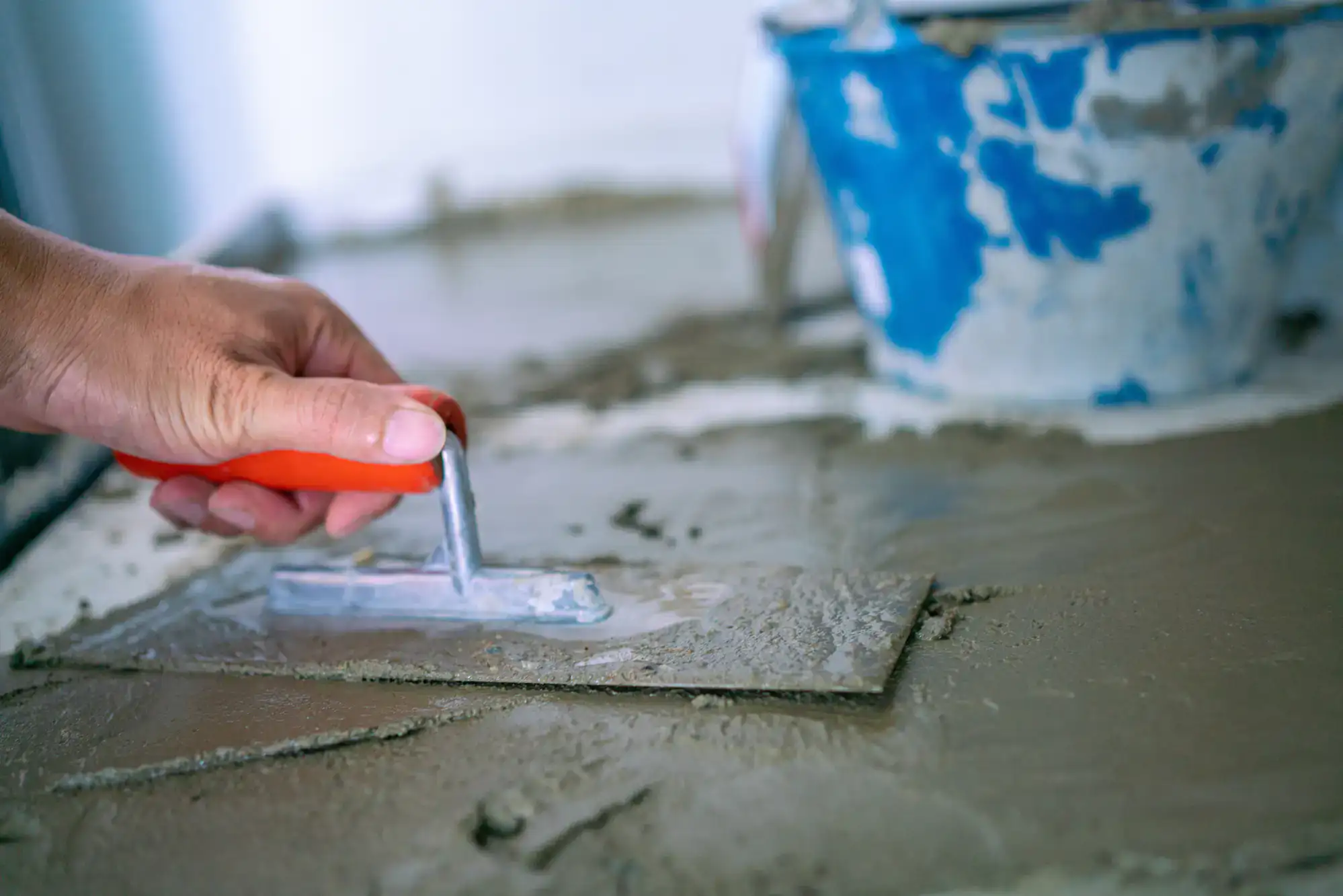
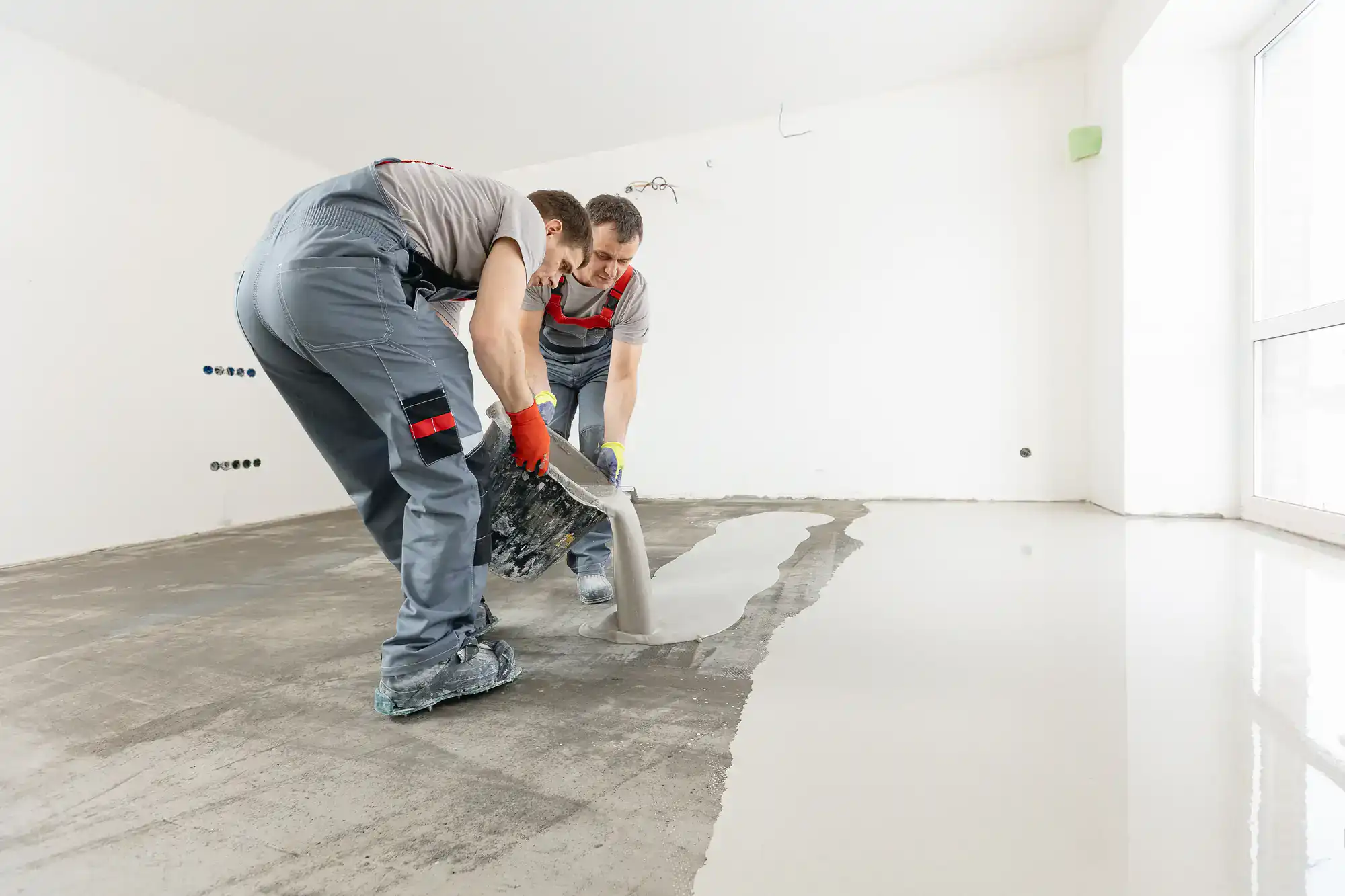
Trowel spreading concrete for masonry work in Altamonte Springs, FL.

What Does a Full-Service Masonry Contractor Actually Handle?

This is a question worth answering clearly, because a lot of property managers don’t realize how much territory a qualified masonry contractor covers — and how much coordination overhead they can eliminate by working with one.

Masonry, strictly speaking, refers to construction using individual units — brick, block, stone — bonded together with mortar. That’s different from poured concrete work, which is monolithic and involves forming, reinforcing, and finishing a continuous surface. In practice, though, most commercial properties need both. A retail center might need block wall repairs, a new concrete driveway apron, stamped concrete at the entrance, and epoxy floor coatings inside a tenant space — all in the same upgrade cycle.

Most contractors in the Orange County and Lake County market specialize in one or the other. You find masonry companies that focus on block and brick work, and you find concrete contractors that focus on flatwork and decorative finishes. Rarely do you find a contractor who can handle structural masonry, concrete installation, decorative stamped and stained surfaces, epoxy floor coatings, driveways, and chimney repair under one roof.

That matters for commercial property managers more than it does for residential clients. When you’re managing a capital improvement cycle with a hard deadline — a tenant move-in, a property inspection, a lease renewal — you don’t have bandwidth to coordinate three different subcontractors with three different schedules. A single contractor who can scope the full job, pull the right permits, and manage the work from start to finish is worth a lot more than the sum of its parts.

We handle the full scope of commercial masonry and concrete work across Lake County and Orange County — from structural masonry and concrete installation to driveways, epoxy floor coatings, stained and stamped concrete, and chimney repair. One point of contact, one schedule, one warranty.

How Epoxy Floor Coatings and Stamped Concrete Are Done Right in Central Florida

Two of the most requested commercial upgrades we see in 2026 are epoxy floor coatings and stamped or stained concrete — and they’re also two of the most misunderstood in terms of what proper installation actually involves.

With epoxy flooring, the surface you see when the job is done is only as good as the preparation that happened before any coating was applied. The number one reason commercial epoxy floors fail prematurely — peeling, bubbling, delaminating within a year or two — is inadequate surface prep. Specifically, it’s skipping or rushing the moisture vapor emission testing and the diamond grinding process that creates the surface profile epoxy needs to bond correctly.

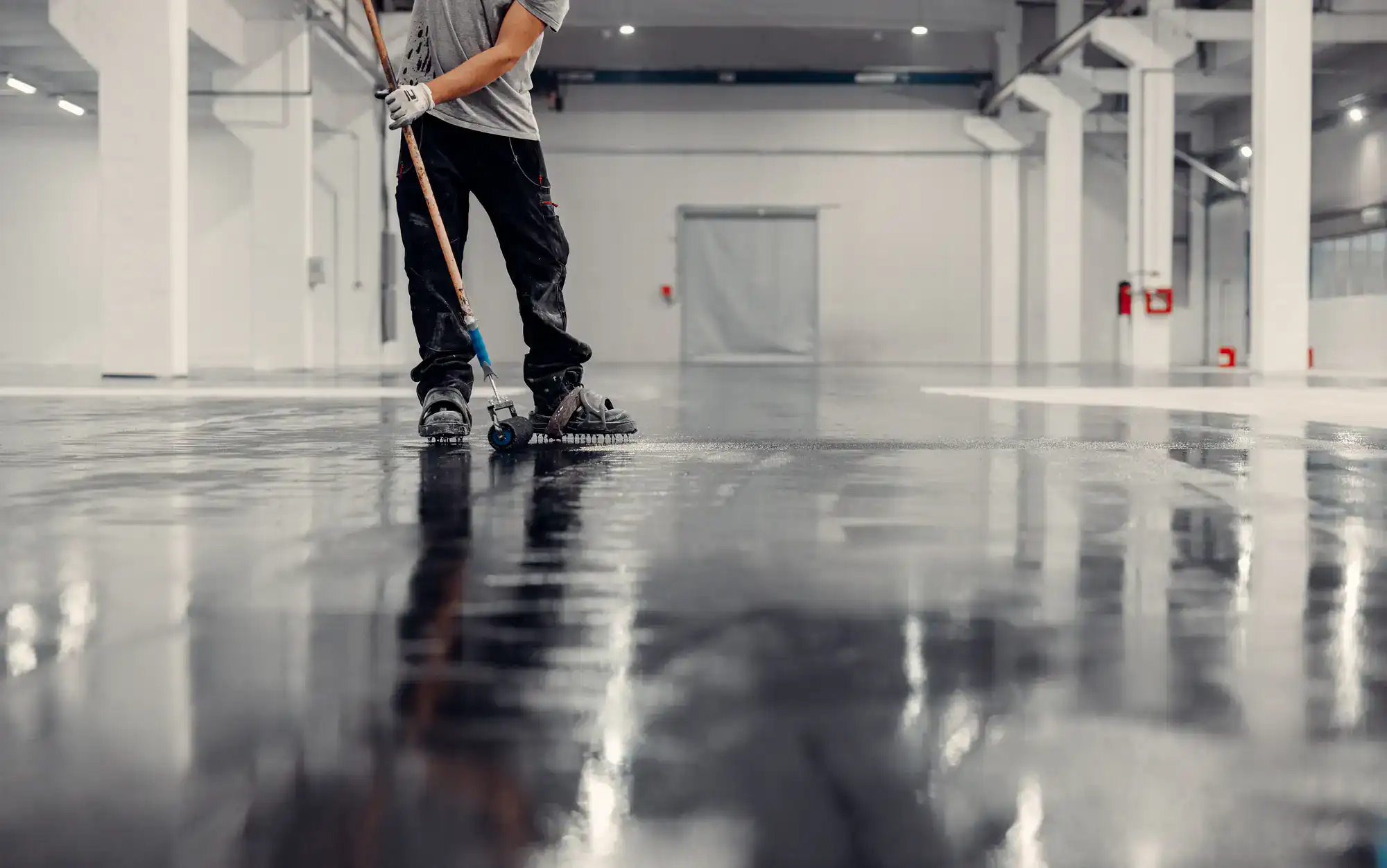
Florida’s climate makes this especially important. High humidity and the moisture content common in concrete slabs throughout Orange County and Lake County means that a contractor who doesn’t test and prep properly is essentially applying a coating that will fail. Professional installation involves grinding the slab, testing for moisture, applying a primer coat, broadcasting aggregate for texture and grip, applying the topcoat, and finishing with a sealer. Done correctly, commercial epoxy floors last a decade or more.

Stamped concrete has a similar story. In Florida’s sun, inferior sealers degrade quickly — the color fades, the surface becomes brittle, and what looked great at installation starts looking neglected within a couple of years. UV-stable sealers and proper mix design are essential for stamped concrete in this climate. Florida’s market pricing for stamped concrete runs approximately $10 to $16 per square foot, and that range reflects real differences in material quality and installation process — not just contractor markup. A properly installed and sealed stamped concrete surface at a commercial property entrance, courtyard, or driveway can maintain its appearance for ten to fifteen years with routine resealing every two to three years. That’s a strong return on a capital improvement for any commercial property owner thinking about curb appeal and long-term maintenance costs.

What both of these services have in common is that they reward doing it right the first time. The cost of a failed epoxy floor or a prematurely degraded stamped driveway isn’t just the repair — it’s the disruption to your tenants, the perception problem with prospective ones, and the fact that you’re paying to have the same work done twice.

Want live answers?

Connect with a Stone Forge USA expert for fast, friendly support.

Structural Masonry and Concrete Contracting for Orange County and Lake County

Structural masonry and concrete contracting are the backbone of most commercial property upgrade projects, and they’re where licensing and experience matter most. Florida’s Structural Masonry Specialty Contractor license covers the full scope of masonry and concrete work — forming, placing, finishing, installing, repairing, and replacing concrete and masonry products, including laying block and brick, placing and erecting reinforcing steel, and pouring and finishing concrete. That’s a meaningful credential, and it’s verifiable directly through the Florida Department of Business and Professional Regulation.

For commercial property owners, the licensing question isn’t just procedural. If unlicensed work causes a structural failure, a code violation, or an injury on your property, the liability lands on you. Asking for a license number and verifying it takes two minutes and protects everyone involved.

Close-up of a trowel resting on freshly poured concrete for masonry work.

Concrete Driveways and Structural Masonry: What Orange County and Lake County Properties Need

Concrete driveways are one of the most visible and most deferred maintenance items on commercial properties throughout Orange County and Lake County. Along the US-27 commercial corridor in Clermont, in the retail centers serving the new residential communities around SR-50, and in the older commercial districts in areas like Mount Dora — cracked, heaving, or stained driveways are everywhere. In most cases, they’ve been on someone’s to-do list for a while.

Florida’s sandy, expansive soils create specific challenges for concrete driveways that don’t apply the same way in other markets. Proper subbase preparation — compacting the base material, establishing the right grade for drainage, and placing the concrete at the appropriate thickness — is what separates a driveway that lasts from one that starts cracking within a few years. Correct joint placement is equally important. Concrete expands and contracts with temperature, and without properly placed control joints, that movement causes random cracking rather than controlled, manageable ones.

For commercial properties specifically, driveways take more punishment than residential ones — heavier vehicles, higher traffic volume, and less tolerance for surface irregularities that could create trip hazards or accessibility issues. Getting the spec right from the start matters.

On the structural masonry side, commercial buildings across Central Florida rely on block and brick masonry for their exterior walls, retaining walls, and site features. These systems hold up well in Florida’s climate when they’re properly installed and maintained — but mortar joints deteriorate over time, moisture works its way into small cracks and accelerates the damage, and what starts as a minor repointing job can become a significant structural repair if it’s left too long. The same logic applies to chimney repair on commercial and mixed-use properties. Chimney mortar and crowns in Florida’s climate degrade gradually from UV exposure and moisture cycling, and a chimney that looks fine from the ground can have significant crown cracking or joint deterioration that becomes a serious problem after a tropical system moves through.

FAQs: Masonry and Concrete Services for Lake County and Orange County, FL

Property managers and building owners in Orange County and Lake County tend to ask the same questions when they’re evaluating a masonry or concrete contractor. Here are the honest answers.

**How do I know if a masonry contractor is actually licensed for commercial work in Florida?** Florida’s contractor licensing is public record and searchable at myfloridalicense.com. A legitimate contractor will give you their license number without hesitation. For commercial work in Orange County and Lake County, you’ll also want to confirm that the contractor is familiar with local permit requirements — both counties have their own inspection processes layered on top of state licensing, and a contractor who doesn’t know the local process will slow your project down.

**How long does stamped concrete actually last in Florida’s climate?** With proper installation — UV-stable sealers, correct mix design, adequate thickness — stamped concrete in Florida can hold up for ten to fifteen years before it needs anything more than routine resealing every two to three years. The installations that fail early almost always come down to sealer quality and surface prep, not the material itself.

**Can masonry and concrete work be done during Florida’s rainy season?** It can, but it requires more careful scheduling. Concrete pours need to be timed around afternoon thunderstorms, and moisture in fresh concrete during curing creates long-term structural issues. Experienced contractors in Orange County and Lake County plan around the weather — not against it. If a contractor tells you weather is never a factor, that’s worth a follow-up question.

**Is epoxy flooring a good choice for commercial properties in Central Florida?** For warehouses, retail showrooms, restaurants, auto dealerships, healthcare facilities, and similar commercial spaces, epoxy flooring is one of the most practical surface choices available — durable, chemical-resistant, easy to clean, and visually professional. The key variable is installation quality, which comes back to surface preparation and moisture testing. In Florida’s humid environment, skipping those steps is how you end up with a floor that looks great for six months and then starts peeling.

**What’s the real cost of deferring masonry and concrete maintenance on a commercial property?** In the short term, deferred maintenance looks like savings. In practice, small cracks in masonry or concrete become larger ones, moisture intrusion accelerates structural deterioration, and what could have been a straightforward repair becomes a significant restoration project. In a market as competitive as Orange County and Lake County, there’s also a tenant perception cost — a property that looks neglected competes at a disadvantage for leases and renewals.

Finding the Right Masonry Contractor for Your Commercial Property in Central Florida

If you manage or own commercial property in Orange County or Lake County, the masonry and concrete decisions you make in 2026 will show up in your property’s performance for years. The right upgrades — done correctly, with the right materials, by a licensed and insured contractor who understands this market — protect your asset, strengthen your position with tenants, and eliminate the compounding cost of deferred maintenance.

The wrong contractor, on the other hand, creates exactly the problems you were trying to solve. Peeling epoxy, cracking concrete, failed inspections, and abandoned projects are all too common in this industry, and they’re almost always the result of cutting corners on preparation, licensing, or both.

We work with commercial property owners and managers across Lake County and Orange County, handling the full scope of masonry and concrete services — from structural block work and concrete installation to driveways, epoxy floor coatings, stained and stamped concrete, and chimney repair. If you’re planning upgrades for 2026 and want to talk through what your property actually needs, reach out to Stone Forge USA and let’s start there.

Summary:

If you manage or own commercial property in Orange County or Lake County, Florida, the condition of your masonry, concrete, and floor surfaces is doing more work than you might realize. Prospective tenants notice cracked driveways, worn epoxy floors, and deteriorating facades before they notice anything else. This post breaks down the masonry and concrete upgrades that are making the biggest difference for commercial properties in 2026 — from stamped concrete and epoxy floor coatings to structural masonry and chimney repair. If you’ve been putting off upgrades, this is worth a read before the next lease cycle starts.

Table of Contents

Article details:

Share: