Masonry Contractor in Sanford, FL

Sanford's Historic Brick Deserves More Than a Patch Job

From the 1887 rebuild that shaped downtown to the concrete block homes lining Sanford’s mid-century neighborhoods, this city has more masonry per square mile than most of Central Florida and it needs a contractor who actually knows the difference.
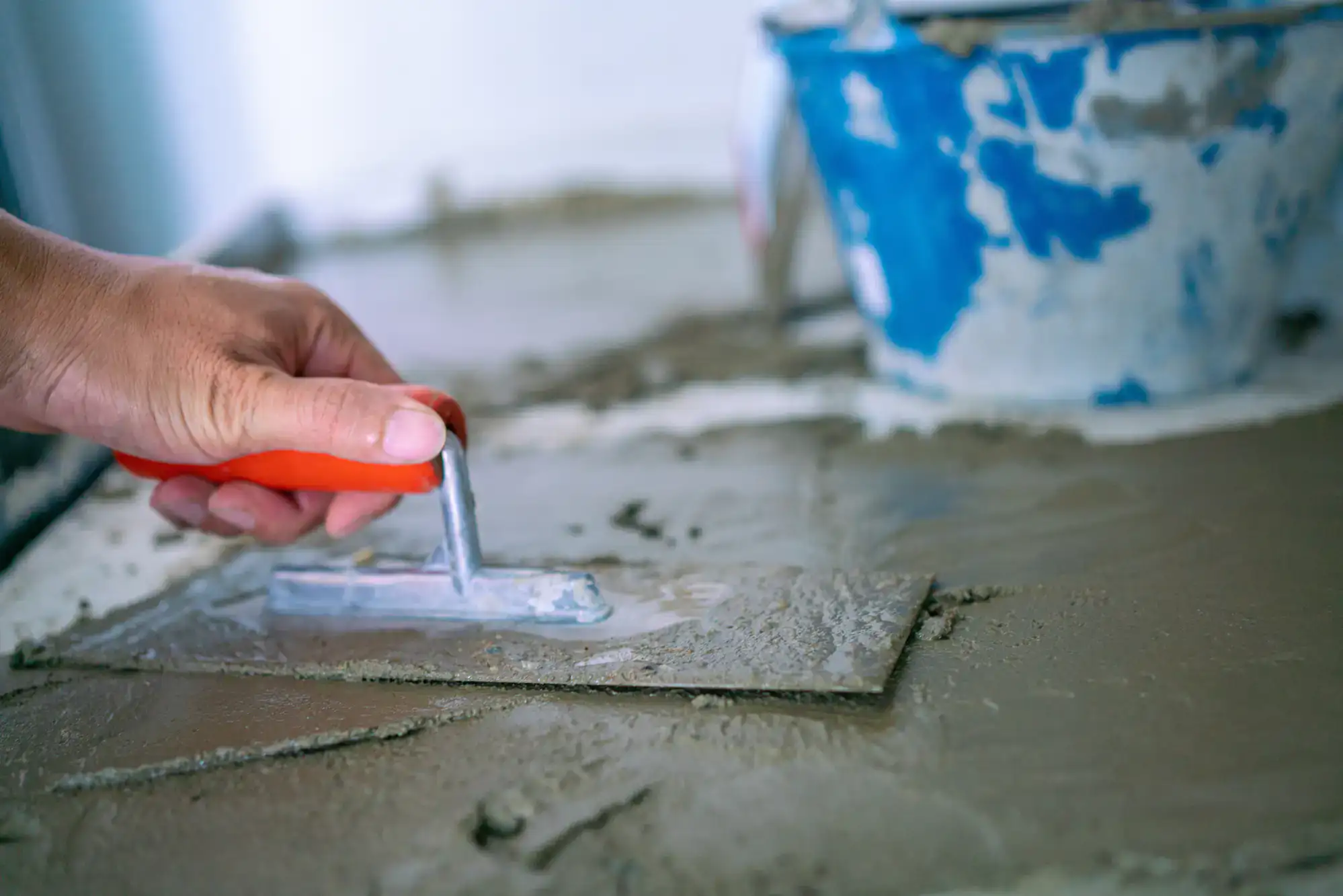
Trowel spreading concrete for masonry work in Altamonte Springs, FL.

Hear From Our Clients

[Add Trustindex Slider Here]
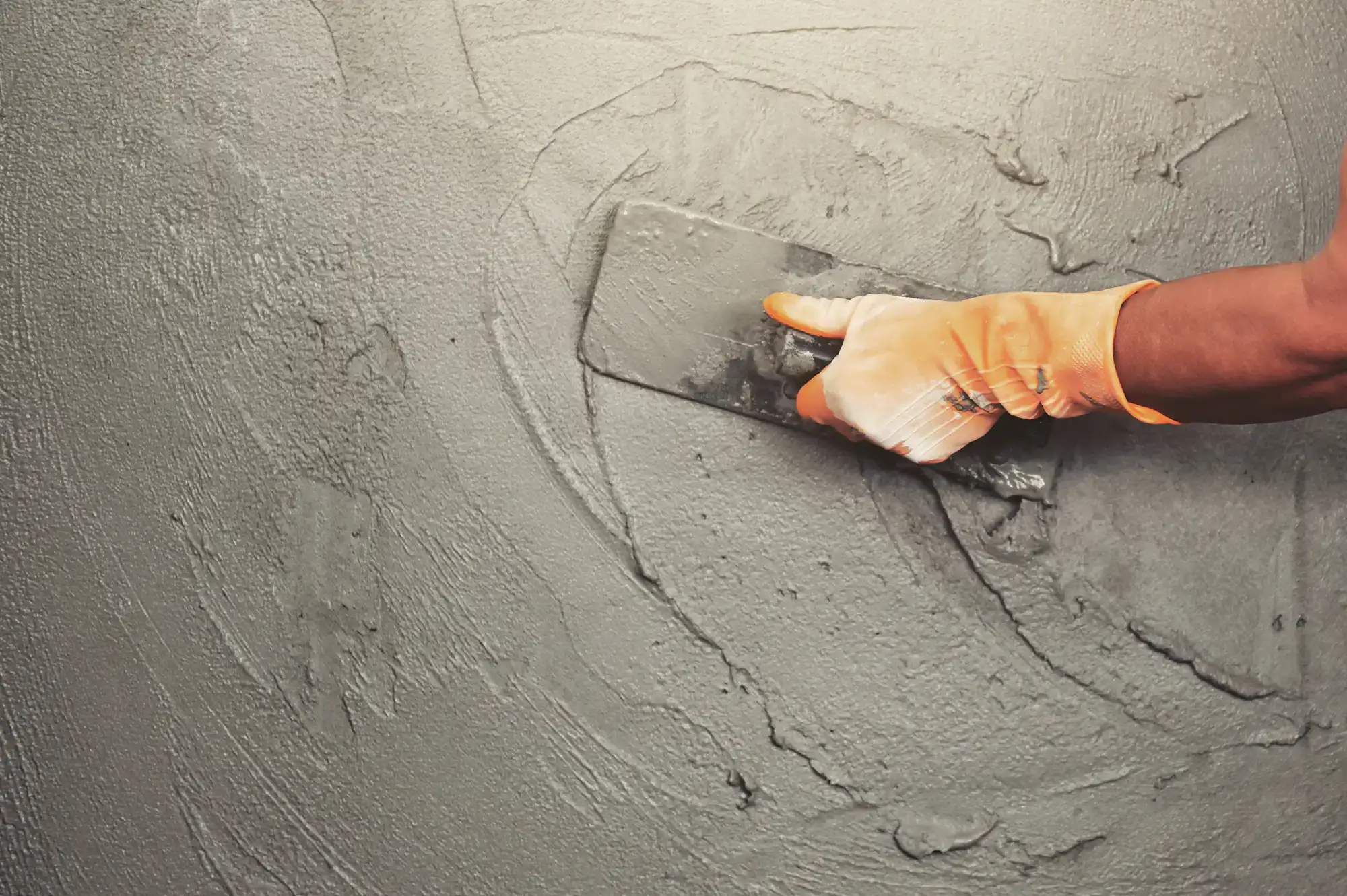
Worker smoothing freshly poured concrete with a trowel in construction site.

Masonry Repair Sanford, FL

What Changes When the Work Is Done Right

A crack in your brick wall or a crumbling mortar joint isn’t just an eyesore. Left alone, it becomes a water entry point and in Sanford, where Lake Monroe keeps ambient humidity elevated year-round and the rainy season dumps the majority of Central Florida’s annual rainfall between May and October, that moisture has somewhere to go. Into your wall. Into your structure. Into a repair bill that’s three times what it would have been if you’d caught it earlier.

When masonry work is done correctly, you’re not just fixing what’s visible. You’re closing the door on moisture intrusion, stopping crack propagation before it reaches the structural layer, and restoring the integrity of a wall that may have been doing its job for 50, 80, or 130 years. That matters whether you’re in a Craftsman bungalow near the Sanford Residential Historic District or a concrete block home off US 17/92 that was built in 1972.

The other thing that changes is the uncertainty. Most homeowners don’t know what a masonry repair should cost, how long it should take, or whether the contractor they hired is using the right materials for their specific structure. When you have a written estimate upfront, a clear timeline, and a contractor who follows up after the job is done, that uncertainty disappears. That’s what a well-run masonry project actually feels like.

Masonry Contractors Near Sanford, FL

Licensed, Local, and Straight With You From the Start

We’re a Central Florida masonry company that handles the full range of masonry work brick repair, tuckpointing, concrete block, stone installation, retaining walls, and more. Our approach is straightforward: show up on time, give you a real number before anything starts, and do the work correctly the first time.

Sanford is not a generic market. The historic districts downtown have preservation standards that affect what materials can be used and how repairs need to be made. The waterfront properties near Lake Monroe face moisture conditions that inland communities don’t deal with at the same level. The mid-century block homes spread across Sanford’s residential neighborhoods have their own set of common failure points. We work across all of it, with the licensing required to pull permits through both the City of Sanford Building Division and the Seminole County Building Division at 1101 E. First Street.

You’ll get a contractor who knows this area, knows what the local conditions do to masonry over time, and isn’t going to hand your job off to someone else.

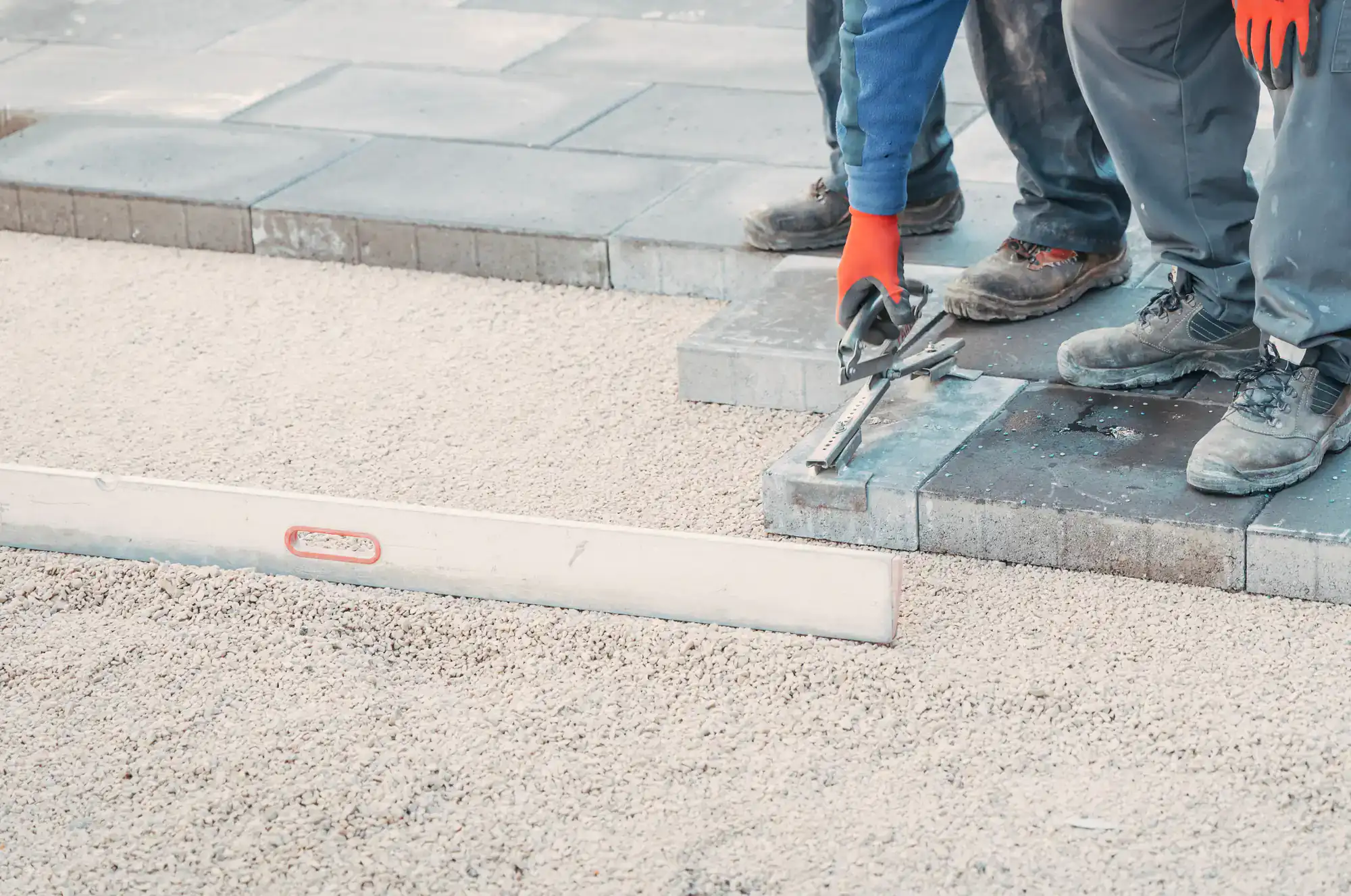
Workers installing pavers for a stone masonry project in Altamonte Springs, FL.

Masonry Work Process in Sanford, FL

No Surprises Here's Exactly What to Expect

It starts with an assessment. Before any number is given, we look at the work what’s failing, why it’s failing, and what the right fix actually is. For properties in Sanford’s historic districts, that assessment includes evaluating the original mortar composition, because using modern Portland cement on 19th-century brick can do more damage than the crack you started with. The wrong mortar traps moisture and causes brick faces to spall. That’s not a repair that’s a new problem.

Once the scope is clear, you get a written, itemized estimate. Not a ballpark. Not a range with an asterisk. A real number that covers the actual work. If the project requires a permit which structural masonry work in Sanford typically does we handle the permit application through the appropriate authority, whether that’s the City of Sanford or Seminole County, depending on your property’s location.

Work is scheduled with weather in mind. Sanford’s rainy season runs May through October, and active mortar work needs to be protected from rain during the curing window. Your timeline accounts for that from the start, not as an afterthought. When the job is finished, we follow up with a call not to upsell you on something else, but to confirm the work held up and that you’re satisfied. That’s the whole process.

Person smoothing concrete surface with trowel for masonry work.

Masonry Construction Services in Sanford, FL

Every Masonry Service Sanford's Homes and Buildings Actually Need

We cover the full spectrum of masonry work in Sanford tuckpointing and repointing for deteriorating mortar joints, brick repair and replacement for damaged or spalling faces, concrete block repair for Sanford’s large stock of mid-century CMU homes, stone and paver installation, retaining wall construction and repair, and new masonry construction for the residential and commercial projects growing around Orlando Sanford International Airport and the SunRail corridor.

For properties in Sanford’s historic districts the Downtown Commercial Historic District, the Sanford Residential Historic District, and the Georgetown Historic District we perform work using mortar that matches the original in composition, color, and texture. This isn’t just about aesthetics. The City of Sanford’s historic preservation standards require compatible materials, and using the wrong mix on a 130-year-old brick building causes long-term structural damage. If your property falls within one of Sanford’s four local historic districts, that’s a conversation worth having before any work begins.

For standard residential and commercial masonry across the rest of Sanford and unincorporated Seminole County, the work is straightforward: assess the damage, quote it transparently, pull the required permits, and execute with the techniques and materials appropriate for Central Florida’s climate high heat, high humidity, and a rainy season that tests every mortar joint it touches.

Masonry workers installing concrete pavers for a patio or walkway.

Do I need a permit for masonry repair on my Sanford, FL property?

It depends on the scope of the work. Cosmetic repairs like patching a small section of mortar or replacing a single damaged brick typically don’t require a permit. But structural masonry work does, and in Sanford, that line is drawn fairly clearly by the Florida Building Code. If you’re repairing or rebuilding a load-bearing wall, a retaining wall over a certain height, or any masonry element that affects the structural integrity of the building, a permit is required.

For properties within the City of Sanford limits, permits are issued through the City of Sanford Building Division. For properties in unincorporated Seminole County, you’ll work through the Seminole County Building Division, located at 1101 E. First Street in Sanford. We handle the permit application process as part of the project you don’t need to navigate that on your own. And if your property is in one of Sanford’s historic districts, there may be an additional review step through the city’s historic preservation process before work begins.

Tuckpointing in Central Florida generally runs between $5 and $25 per square foot, depending on the accessibility of the wall, the condition of the existing mortar, and the type of brick involved. For historic brick in Sanford’s downtown or residential historic districts, the cost tends to sit toward the higher end of that range because the work requires mortar matching and more careful technique to avoid damaging original brick. Standard residential tuckpointing on a mid-century block home is typically toward the lower end.

Brick repair projects replacing damaged or spalling brick sections average around $500 for simpler jobs in the Sanford area, with larger or more complex repairs running $1,000 to $3,500 or more depending on scope. The most important thing to know is that the estimate you receive from us is written and itemized before any work starts. The number you agree to is the number you pay not a starting point that grows once the crew is on-site.

This is one of the most important questions you can ask, and most homeowners don’t know to ask it. Historic brick particularly the brick used in Sanford’s downtown buildings and early residential construction, most of which dates to the late 1800s and early 1900s was originally laid with lime-based mortar. Lime mortar is softer and more flexible than modern Portland cement mortars, and that’s intentional. It allows the wall to breathe and move slightly with temperature and humidity changes without cracking the brick itself.

When a contractor uses modern Portland cement mortar on historic brick, the mortar becomes harder than the brick surrounding it. Moisture that would normally migrate through the mortar joint instead gets trapped and migrates through the brick face, causing spalling where the face of the brick flakes off. Once that starts, it’s very difficult to reverse. The correct approach for Sanford’s historic structures is to use a mortar that matches the original in composition and hardness, typically a lime-based or natural hydraulic lime mix, with color and texture matched to the existing joints. We evaluate the original mortar before selecting a repair mix on any historic property.

Sanford gets the bulk of its annual rainfall roughly 60 to 70 percent between May and October. During that window, afternoon thunderstorms are nearly a daily occurrence, and active masonry work needs to be protected from rain during the mortar curing period. If mortar gets saturated before it cures, it loses bond strength and the repair fails prematurely. That’s a real risk that affects scheduling on every project during rainy season.

The way to manage it is to plan around it from the start. We build weather contingency into project timelines during the May through October window, which means scheduling work in morning windows before typical afternoon storm activity, protecting active work with appropriate coverings when needed, and communicating proactively with you if a weather event pushes a day’s work. The November through April dry season is the optimal window for masonry work in Sanford if you have a repair you’ve been putting off, getting it on the schedule before rainy season starts is the smarter move both logistically and financially.

Yes, and it’s actually more important to address masonry issues promptly on waterfront and near-waterfront properties than on inland homes. Properties along Sanford’s Lake Monroe waterfront and in the downtown area near the St. Johns River system deal with elevated ambient humidity year-round not just during rainy season. That consistent moisture cycling accelerates efflorescence, which is the white salt deposit that appears on masonry surfaces when moisture moves through the wall and evaporates, leaving mineral deposits behind. It also accelerates mortar joint deterioration and can drive moisture intrusion through hairline cracks that would take much longer to become a problem on an inland property.

For waterfront and high-humidity properties, our approach includes assessing drainage and water management around the base of the wall, using moisture-resistant mortar formulations where appropriate, and applying penetrating sealers that allow the masonry to breathe while reducing water absorption. Treating just the visible symptom filling a crack or repointing a joint without addressing the moisture source is a short-term fix that will need to be redone. The goal is to understand why the deterioration is happening and address that, not just what it looks like on the surface.

In Florida, masonry contractors who perform structural work or pull permits are required to hold a valid state contractor’s certification or registration. This is not optional it’s the legal requirement for any permitted masonry work in Sanford, whether through the City of Sanford Building Division or the Seminole County Building Division. A contractor who can’t pull a permit either isn’t licensed or isn’t willing to do the work on the books, and both of those are problems for you as the property owner. Unpermitted structural work can create issues when you sell the property, void your homeowner’s insurance coverage for related claims, and leave you with no recourse if the work fails.

The easiest way to verify a contractor’s license in Florida is through the Department of Business and Professional Regulation’s online lookup tool at myfloridalicense.com. You can search by contractor name or license number and confirm their certification is current and in good standing. We hold the Florida state masonry contractor certification required to pull permits and perform inspections throughout Sanford and Seminole County. Liability insurance and workers’ compensation coverage are also in place which protects you if anything goes wrong on your property during the project.

Other Services we provide in Sanford