Concrete Repair in Sanford, FL

Sanford's Sandy Soil Is Harder on Concrete Than Most Homeowners Realize

Cracks, sunken slabs, and crumbling edges aren’t just cosmetic in Sanford, they’re often the first sign that something’s shifting underneath. We find the real cause and fix it right.
Concrete crack being sealed by professional repair in Altamonte Springs, FL.

Hear From Our Clients

[Add Trustindex Slider Here]
Concrete being poured into a foundation form for repair work in Altamonte Springs, FL.

Concrete Repair Sanford Homeowners Trust

Stable Ground, No Surprise Invoices, No Callbacks

When concrete repair is done right, you stop thinking about it. The driveway is level, the patio drains properly, the walkway isn’t a trip hazard anymore and six months later, nothing has shifted. That’s the outcome worth paying for.

In Sanford, the stakes are a little higher than in most Central Florida towns. The sandy, permeable soils along the Lake Monroe corridor are documented for washing out beneath slabs and creating voids that surface-level patching won’t touch. A crack in your Georgetown driveway or your Hidden Lake patio can look minor and still be a symptom of active movement below. Getting a diagnosis, not just a patch, is what separates a repair that lasts from one that fails by the next rainy season.

The other thing Sanford homeowners consistently deal with is contractor ambiguity quotes that grow after work starts, zero communication mid-project, and no follow-up once the invoice is paid. We operate differently. You get a written estimate before anything starts, real-time project tracking while work is underway, and a follow-up call after completion to make sure everything is holding. That’s not a bonus it’s just how this should work.

Masonry Contractor Serving Sanford, FL

One Company for Every Masonry Problem on Your Property

We’re a masonry specialist not a general contractor who also does concrete on the side. That distinction matters when your Sanford property has a brick walkway that needs repointing, a sunken pool deck, a cracked retaining wall, and a driveway that’s seen one too many Florida rainy seasons. One call covers all of it.

Serving Sanford and the broader Seminole County area, we work in everything from the historic neighborhoods near downtown Georgetown, Goldsboro, the Sanford Residential Historic District to newer subdivisions like Regency Oaks and Hidden Lake. That range matters because the masonry challenges in a 100-year-old home near the Sanford Riverwalk are genuinely different from those in a 2005-built home off SR 46.

Every job comes with full licensing, proper insurance coverage meeting Seminole County’s requirements, and permit-pulling for work that requires it. That protects you not just during the job, but if you ever sell the property.

Worker cutting concrete blocks at construction site for repair project.

How Concrete Repair Works in Sanford

What Actually Happens From Your First Call to a Finished Job in Sanford

It starts with a real assessment not a sales pitch. When we come out to your Sanford property, our first priority is understanding what’s actually going on. Is the crack cosmetic or structural? Is the slab sinking because of surface wear or because soil has washed out underneath it? In Sanford’s sandy substrate, that question matters more than it does in most markets, and getting it wrong means doing the job twice.

Once the cause is confirmed, you get a written, itemized estimate. No ranges, no “it depends” language a clear number for the scope of work agreed upon. If the job requires a permit through the City of Sanford Building Division or Seminole County, we handle that before work begins. Skipping permits might save a few days upfront, but it creates real problems if the work surfaces during a future home sale or insurance claim.

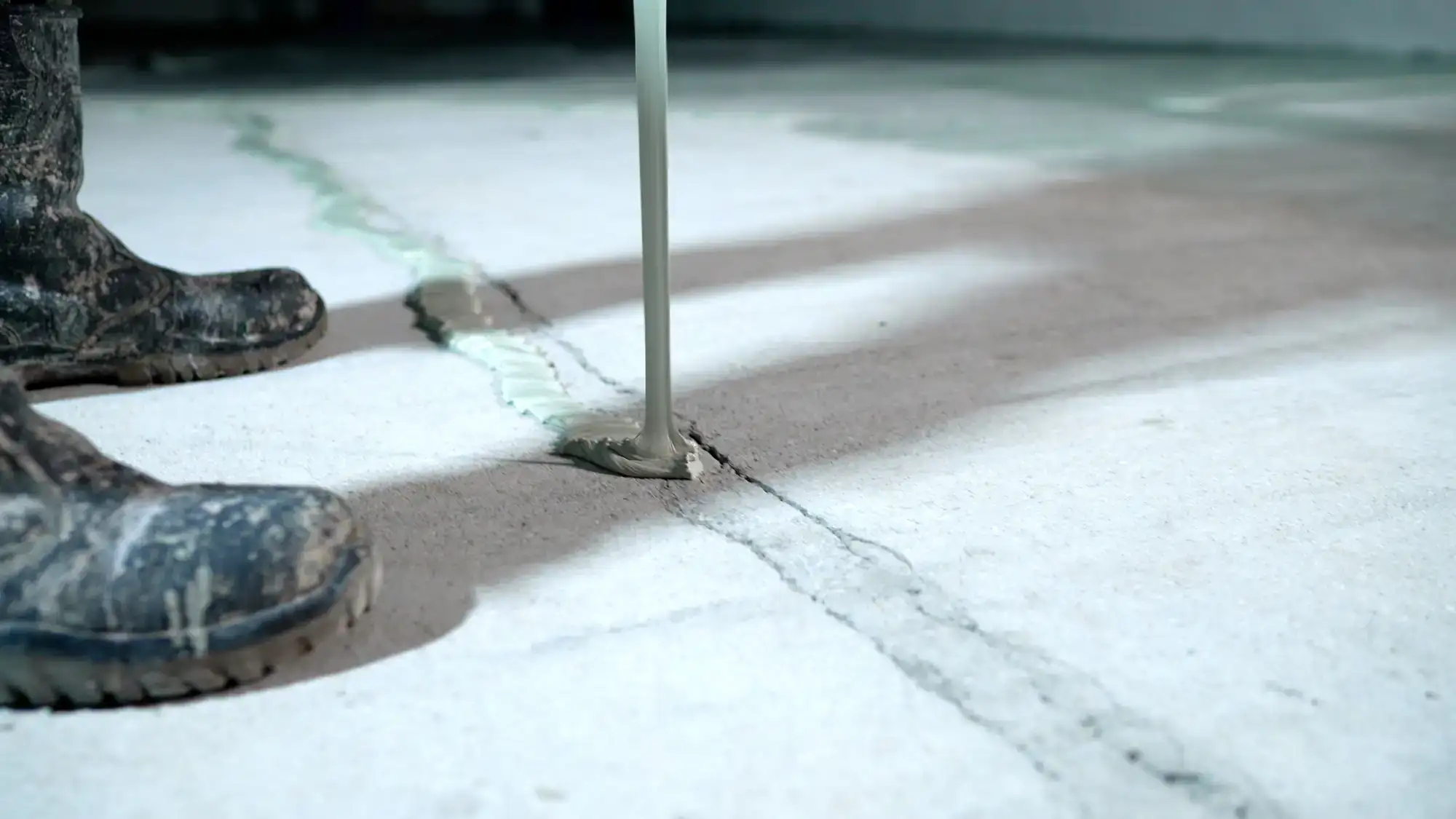
The repair itself uses the method that fits the problem polyurethane foam injection for sunken or void-affected slabs, epoxy or polymer-modified patching for structural cracks, full resurfacing for surfaces that have deteriorated past the point of targeted repair. After the job wraps, you’ll hear from us directly to confirm everything looks right. If something needs attention, that’s the time to catch it not six months later.

Close-up of textured concrete surface with contrasting colors.

Concrete and Masonry Repair Services in Sanford

Every Masonry Surface on Your Property, Handled Correctly

We handle the full range of concrete and masonry repair driveways, patios, pool decks, sidewalks, retaining walls, brick walkways, foundations, and more. If it’s masonry, it’s in scope. That matters in Sanford, where older properties near the historic districts often have a mix of materials poured concrete, brick, block, and stone that require different repair approaches and material-matching considerations.

For homeowners in Sanford’s designated historic districts, including Georgetown and the Sanford Residential Historic District, masonry repair isn’t just a structural question it’s a preservation one. Work in these areas needs to respect the existing character of the property, which means matching materials, using appropriate repair methods, and understanding what the local standards require. We bring that awareness to every historic-area job.

For newer properties the early-2000s subdivisions along the SR 417 corridor and east of US 17-92 the issues are typically thermal cracking, surface spalling, and slab settlement driven by Sanford’s wet-dry soil cycle. These properties are hitting the age where DIY fixes stop holding, and professional repair is the more cost-effective path compared to full replacement. Our approach is always to repair what can be repaired replacement is the last resort, not the default recommendation.

Cracked and peeling white wall surface for concrete repair in Altamonte Springs, FL.

Why does concrete crack so much in Sanford, FL specifically?

Sanford’s soil is the main reason. The sandy, highly permeable substrate that runs through much of the city particularly in areas near Lake Monroe and the St. Johns River floodplain absorbs and releases moisture rapidly. During the rainy season, that soil saturates and shifts. During the dry season, it contracts. Concrete slabs sitting on top of that cycle expand and contract with temperature changes on top of everything else, and over time, the stress adds up.

What makes Sanford different from some other Central Florida markets is the documented risk of void formation beneath slabs. When sandy soil washes out from under a slab whether from heavy rainfall, poor drainage, or hydrostatic pressure the concrete loses its support and begins to crack and sink. That’s not a surface problem. It requires a different repair approach than a simple hairline crack from thermal movement. Knowing which one you’re dealing with is the first step.

Most concrete that looks bad can still be repaired and repair is almost always the more cost-effective option. The general rule is this: if the slab is structurally sound and the damage is limited to the surface or isolated cracks, repair makes sense. If the slab has heaved significantly, broken into multiple shifting sections, or the underlying soil has failed to the point where no surface repair will hold, replacement becomes the conversation.

In Sanford specifically, the question often comes down to what’s happening beneath the slab. A sunken section of driveway near Hidden Lake or a cracked patio in Regency Oaks might look like a replacement job but actually be a candidate for polyurethane foam lifting where foam is injected beneath the slab, fills the void, and raises the surface back to level in under an hour. That’s a fraction of the cost of tearing out and repaving. A proper assessment tells you which path makes sense before any money changes hands.

It depends on the scope of work. Minor repairs filling cracks, patching spalled surfaces, resealing typically don’t require a permit. But work that involves structural elements, retaining walls, or significant alterations to existing concrete may require one through the City of Sanford Building Division, which handles all permitting through its Citizenserve online portal. Paper plans are no longer accepted, and proof of ownership is required for permit applications.

For work in unincorporated areas of Seminole County near Sanford, the county’s Building Division at 1101 E. 1st St. has jurisdiction instead. Contractors working in Seminole County are also required to carry current Workers’ Compensation and General Liability Insurance with the county listed as the certificate holder. If a contractor you’re considering can’t produce that documentation, that’s a real risk for you not just a paperwork issue. We pull permits when required and carry the appropriate coverage.

Polyurethane foam lifting sometimes called foam jacking or slab lifting is a repair method where small holes are drilled into a sunken concrete slab, high-density expanding foam is injected beneath it, and the foam fills the void and raises the slab back to its original position. The surface is ready to use in as little as 15 to 30 minutes. Compare that to traditional mudjacking, which requires 24 to 48 hours of cure time, or full slab replacement, which costs significantly more and disrupts the area for days.

For Sanford homeowners, this method is particularly relevant because the soil conditions here sandy, permeable, prone to washout are exactly the conditions that create the voids this technique is designed to address. If your driveway along US 17-92, your pool deck, or your front walkway has settled unevenly, foam lifting is worth evaluating before assuming you need a full replacement. It’s not the right solution for every situation, but when the slab itself is structurally intact and the problem is underneath it, foam lifting is typically faster, less invasive, and more affordable.

October through April is the optimal window for concrete repair in Sanford. That’s when the rainy season has ended, soils have had time to stabilize, and the drier conditions allow for better adhesion and curing. Concrete repair materials bond and cure more reliably when surfaces are dry and temperatures are moderate and Central Florida’s dry season delivers exactly that.

That said, if you’re noticing damage during the summer months a crack that’s growing, a slab that’s shifted, a retaining wall that’s showing movement don’t wait until fall if it’s a safety issue. Trip hazards, structural cracks near foundations, and compromised retaining walls warrant prompt attention regardless of the season. The practical approach is to document damage as it appears during the rainy season and schedule non-urgent repairs for the fall window, while flagging anything that poses an immediate risk for emergency response. We can assess urgency and help you prioritize.

Yes, but it requires more care and awareness than a standard repair job. Sanford has three National Register Historic Districts the Downtown Commercial Historic District, the Sanford Residential Historic District, and the Georgetown Historic District along with locally designated districts that have their own standards for rehabilitation and new construction. Work in these areas needs to respect the existing character of the property, which means material selection, color matching, and repair methods all come into play.

For homeowners in Goldsboro, Georgetown, or along the historic streets near the Sanford Riverwalk, hiring a contractor who treats your brick walkway or masonry facade the same way they’d treat a poured concrete driveway in a newer subdivision is a real risk. The wrong mortar mix, the wrong repair compound, or an incompatible surface treatment can damage irreplaceable historic fabric and create compliance issues with local preservation standards. Our masonry specialization means familiarity with brick, block, stone, and mortar and an understanding of what preservation-sensitive repair actually looks like in practice.

Other Services we provide in Sanford