Masonry Contractor in Longwood, FL

Longwood's Aging Brick Deserves More Than a Quick Fix

From Historic District mortar joints to CMU block walls in Wekiva, Longwood’s housing stock is older and more varied than most and it needs a masonry contractor who actually knows the difference.
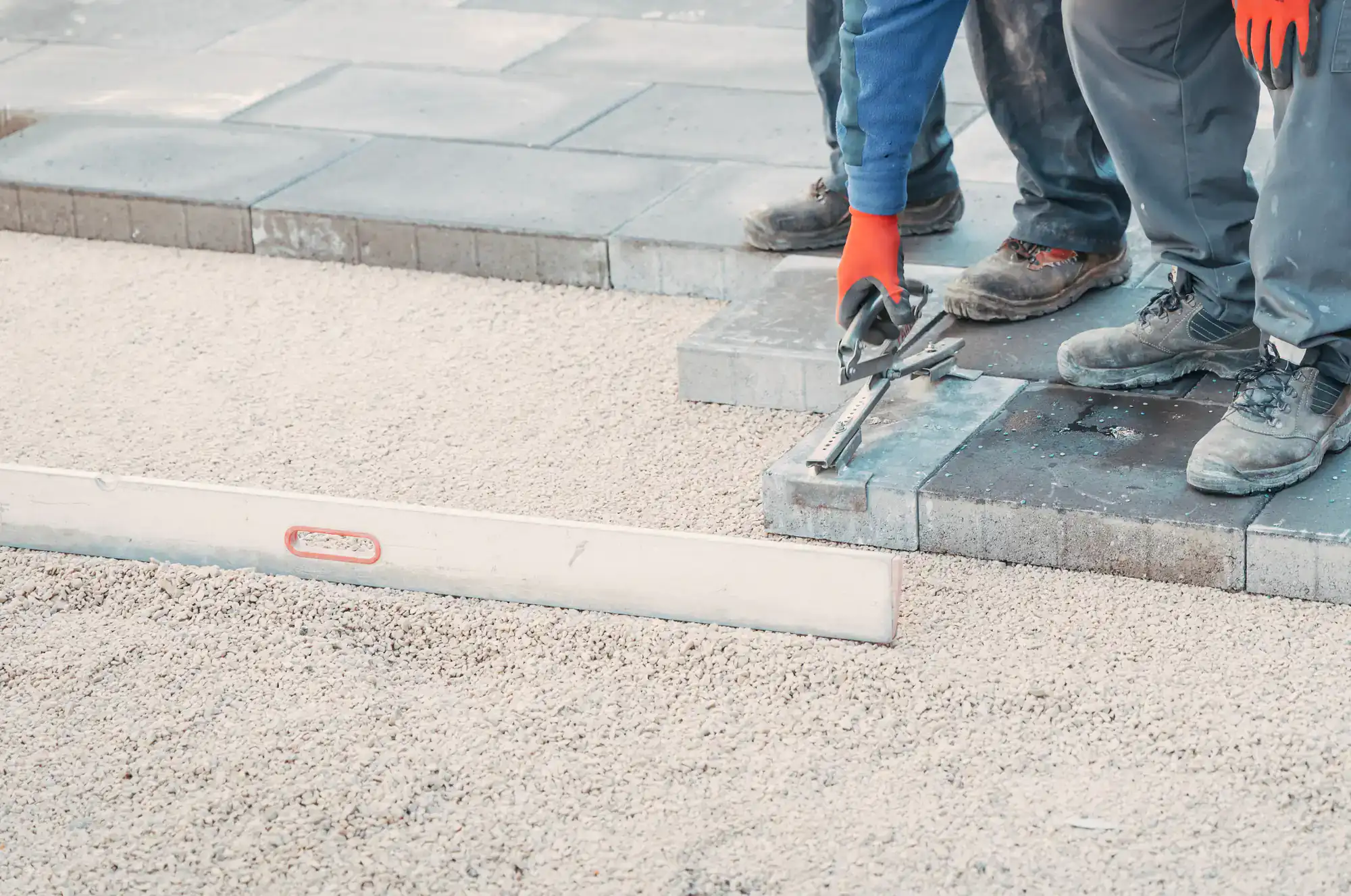
Masonry workers installing concrete pavers for a patio or walkway.

Hear From Our Clients

[Add Trustindex Slider Here]
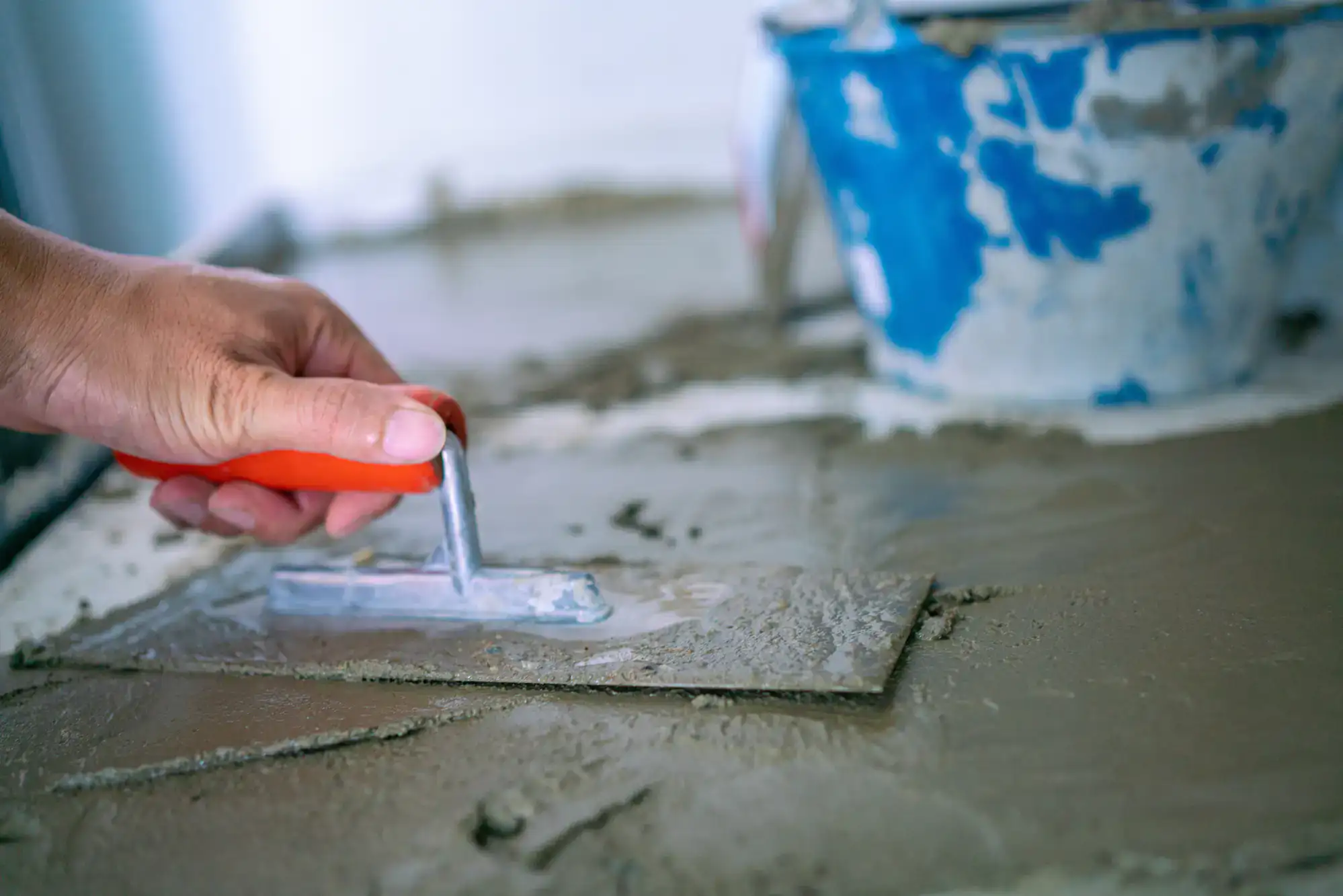
Trowel spreading concrete for masonry work in Altamonte Springs, FL.

Masonry Repair in Longwood, FL

What Changes When the Masonry Is Done Right

Longwood is the oldest city in Seminole County. That’s a point of pride and a maintenance reality. A lot of homes here were built in the 1950s, 60s, and 70s using concrete masonry unit block construction that’s now 50 to 70 years old. Those mortar joints have been through decades of Florida’s rainy season, and when they start to fail, the damage doesn’t stay cosmetic for long. Moisture gets in, the block face starts to spall, and what started as a $600 repair becomes a $4,000 structural problem.

When masonry work is done correctly, that cycle stops. Properly repointed joints keep water out. Matched mortar blends in instead of announcing itself. A repaired retaining wall stays level through the next storm season instead of leaning a little further each year. The difference between a patch job and real masonry repair is visible within one rainy season and Longwood gets plenty of those.

If your property is near the Historic District on SR 434, the stakes are even higher. The wrong mortar type one that’s harder than the surrounding brick can actually accelerate deterioration by trapping moisture instead of letting it escape. Getting this right the first time isn’t just about appearance. It’s about protecting what the property is worth.

Masonry Contractors Serving Longwood, FL

We Know Longwood's Masonry Challenges Specifically

We work throughout Seminole County, and Longwood is one of those markets where local knowledge genuinely changes how the work gets done. The city’s jurisdictional split where properties west of I-4 with a Longwood address fall under Seminole County permitting rather than city code is the kind of detail that trips up contractors who don’t work here regularly. We know which side of that line your property is on, and we pull permits accordingly.

We carry full Florida state masonry contractor certification, liability insurance, and workers’ compensation coverage. That’s not a checkbox it’s what protects you if something goes sideways on your property. For homeowners in gated communities like The Springs or Wingfield North, where HOA approval often requires proof of insurance before a contractor can start, we have that documentation ready.

Every project starts with a written, itemized estimate. You’ll know the scope, the materials, the timeline, and the cost before any work begins. No surprises on the invoice.

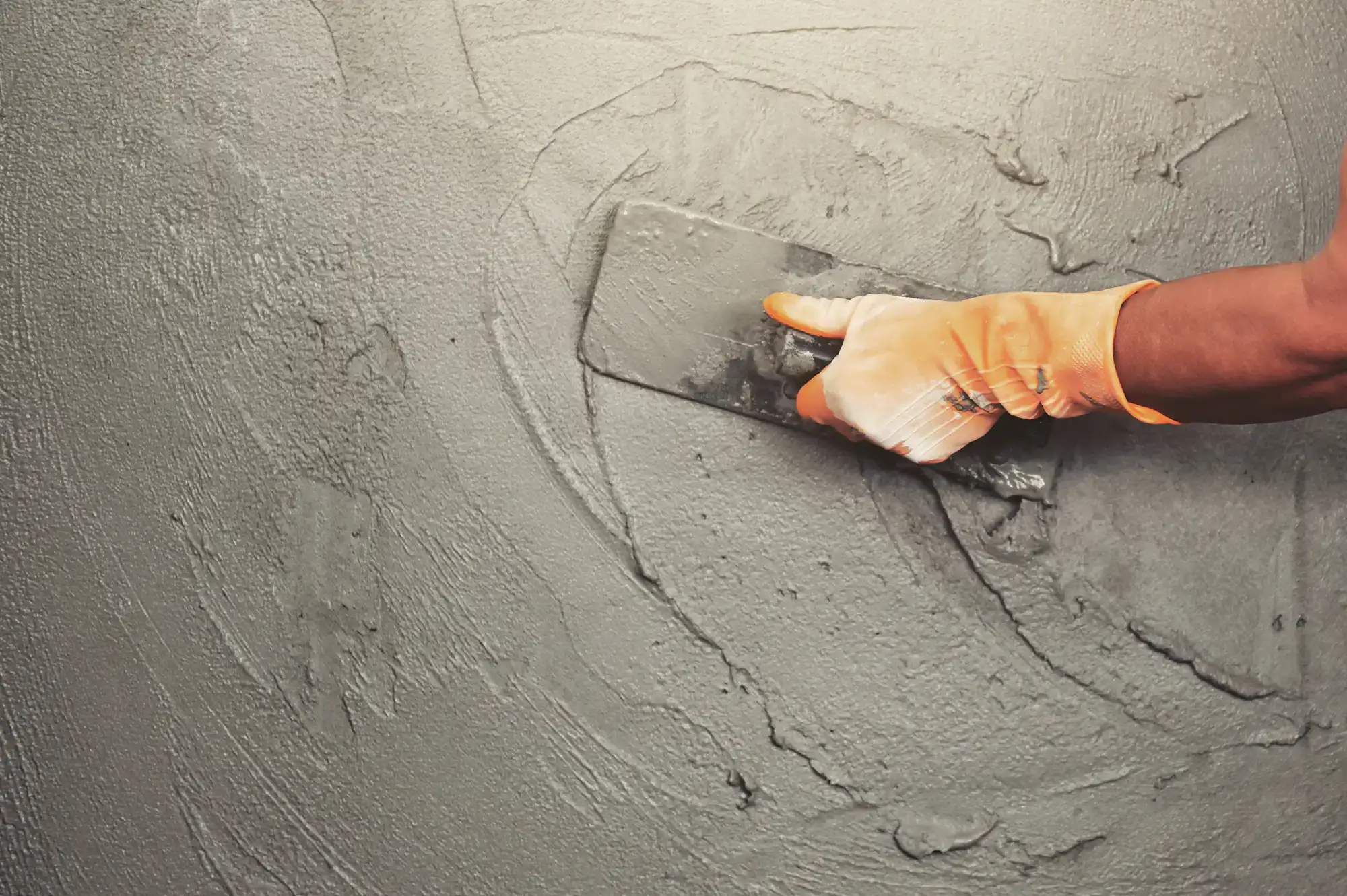
Person smoothing concrete surface with trowel for masonry work.

Longwood Masonry Work, Step by Step

How We Handle Masonry Work in Longwood's Climate

It starts with an on-site assessment. We look at the actual condition of the masonry not just the visible damage, but what’s behind it. Spalling brick often signals moisture intrusion that started at a failed mortar joint two feet away. Efflorescence on a block wall tells us salt is moving through the wall with water. Understanding what’s actually happening determines what actually needs to be done.

From there, you get a written estimate with a clear scope of work. If the project requires a permit which structural masonry work in Longwood typically does, whether under city jurisdiction or Seminole County we handle that process. We also account for Longwood’s rainy season upfront. If your project runs from late spring into summer, we build weather contingency into the schedule so a Thursday afternoon thunderstorm doesn’t leave uncured mortar exposed overnight.

Once work begins, you have access to project tracking so you’re not left guessing where things stand. Longwood has a high concentration of residents who work from home about 15% of the workforce and we’ve found that clients who are present during the day want to stay informed. That’s not a problem. It’s how we prefer to work. After the project closes, we follow up to confirm everything held up and you’re satisfied with the result.

Worker smoothing freshly poured concrete with a trowel in construction site.

Masonry Services in Longwood, FL

Every Masonry Job Longwood Properties Actually Need

The range of masonry work in Longwood is wider than most markets. On one end, we handle tuckpointing and repointing on mid-century CMU block homes in established neighborhoods like Camden Club and Indian Hills routine maintenance work that gets neglected until the rainy season makes the problem impossible to ignore. On the other end, we work on historic preservation-sensitive repair near the Longwood Historic District, where mortar matching isn’t optional and the wrong material choice can compromise a structure’s integrity and its historic status.

In between, we handle retaining wall repair and reconstruction, chimney work, concrete block repair, spalling remediation, efflorescence treatment, and new masonry construction for outdoor living features, garden walls, and commercial facades. Longwood’s active downtown redevelopment around the SunRail station has also created demand for commercial masonry work property owners along the SR 434 and CR 427 corridor are investing in their facades as foot traffic increases.

Whatever the scope, our approach is the same: assess the actual condition, match materials to what’s already there, and execute the repair in a way that lasts through Florida’s weather not just until the next inspection. We handle the full range of masonry work under one roof, which means you’re not coordinating three different contractors for three different issues on the same property.

Workers installing pavers for a stone masonry project in Altamonte Springs, FL.

Do I need a permit for masonry repair work in Longwood, FL?

It depends on the scope of work and where your property sits. For cosmetic repairs filling small mortar joints, patching minor spalling, surface-level tuckpointing a permit is typically not required. But for structural masonry work, including retaining walls above a certain height, significant block wall repair, or any new masonry construction, a permit is required under the Florida Building Code.

Here’s the detail most contractors miss: if your property has a Longwood mailing address but sits west of I-4, you’re not actually within Longwood’s city limits. Those properties fall under Seminole County jurisdiction, which means your permit gets pulled through the Seminole County Building Department, not the City of Longwood. The inspection process and code requirements are similar, but the jurisdiction matters. We know the difference and handle permitting correctly based on where your property actually sits not just what the address says.

Costs vary based on scope, access, and the type of masonry involved. As a general range: tuckpointing runs roughly $5 to $25 per square foot depending on joint condition and mortar type, which often translates to $400 to $2,500 for a typical Longwood residential project. Brick repair averages $500 to $2,500. Spalling repair which is common in Longwood’s older CMU block homes runs $1,000 to $3,500 for up to 100 square feet. Chimney tuckpointing can reach $500 to $2,500 depending on height and access.

What drives cost more than anything else is labor, which accounts for 80 to 90 percent of most masonry projects. A contractor who quotes low on materials but takes twice as long to complete the work isn’t saving you anything. For properties near Longwood’s Historic District, mortar matching adds some cost sourcing or mixing a historically appropriate mortar takes more time than using off-the-shelf material but it’s the difference between a repair that blends in and one that damages the brick it’s supposed to protect.

Yes, but it requires planning. Longwood gets the majority of its annual rainfall between May and October, and afternoon thunderstorms during that window are predictable enough that any masonry contractor worth hiring should account for them in the project schedule not treat them as surprises.

The real risk during rainy season is uncured mortar getting hit with heavy rain before it’s set. That can wash out fresh joints and compromise the bond. The fix isn’t to avoid summer work entirely it’s to schedule around forecast windows, use protective coverings on active work, and build flexibility into the timeline so a weather delay doesn’t cascade into a cost overrun. We build that contingency into every project that runs through Florida’s rainy season, and we communicate it upfront so you know what to expect before we start.

That’s efflorescence salt deposits left behind when water moves through masonry and evaporates on the surface. It’s one of the most common masonry issues in Longwood, and it shows up frequently on north-facing walls that stay shaded under the city’s mature oak canopy, where moisture lingers longer than it does on sun-exposed surfaces.

Efflorescence itself is cosmetic, but it’s also a signal. It means water is moving through your masonry, which means the mortar joints or surface sealer are no longer doing their job. Left alone, that moisture movement leads to spalling, freeze-thaw damage in cooler months, and eventually structural compromise in the block or brick behind the staining. Treating efflorescence correctly means removing the deposits without damaging the masonry surface, identifying where the water is entering, and addressing that entry point not just cleaning the wall and calling it done.

The honest answer is that it’s hard to tell without looking closely, and the line between cosmetic and structural moves faster in Florida’s climate than most homeowners expect. A hairline crack in a mortar joint looks minor. But in Longwood, where the rainy season drives sustained moisture into every gap from May through October, that crack can allow enough water intrusion to start compromising the block or brick behind it within a single season.

Signs that a problem has moved past cosmetic include: mortar that crumbles when you press it, brick faces that are flaking or popping off in layers, walls that show visible bowing or leaning, and cracks that are wider at one end than the other (which suggests movement, not just settling). If you’re seeing any of those, the repair scope is likely structural and will require a permit. If you’re seeing surface staining, minor joint erosion, or small patches of spalling without underlying movement, you’re probably still in cosmetic territory but catching it now is significantly cheaper than waiting.

Yes, and it’s a category of work we approach differently than standard residential repair. Longwood’s Historic District roughly 190 acres near SR 434 and CR 427, listed on the National Register of Historic Places since 1990 contains structures dating back to the 1870s and 1880s. Working on those properties requires more than general masonry skill. It requires understanding why material compatibility matters and what happens when you get it wrong.

The most common mistake on historic masonry is using modern Portland cement mortar to repoint historic brick. Modern mortar is significantly harder than the soft brick used in 19th and early 20th century construction. When the two expand and contract at different rates which they do, especially through Florida’s temperature and humidity swings the mortar wins and the brick loses. You end up with brick faces spalling off because the mortar is holding too tight. We match mortar to the existing masonry in strength, composition, and color, which is what preservation-sensitive repair actually requires. If your property is in or near the Historic District, that’s the conversation we’ll have before any work starts.

Other Services we provide in Longwood