Licensed and insured concrete and masonry contractors serving Central Florida. Quality work, honest pricing, no surprises.
Contact Info
Hear From Our Clients
A properly installed epoxy floor does more than look good. It stops moisture from working its way up through your slab something that happens constantly in Longwood, where the rainy season runs May through October and the groundwater table keeps concrete in a near-permanent state of vapor emission. That’s the part most homeowners don’t know about until a cheaper coating starts bubbling six months after installation.
For homes in Longwood’s older neighborhoods the mid-century ranches near the Historic District, the established streets off CR 427 bare concrete has often been sitting unprotected for decades. Oil stains, surface porosity, minor cracking: these aren’t cosmetic issues, they’re signs that the slab needs real treatment, not just a coat of paint. The right system fills those gaps, seals the surface, and gives you a floor that’s genuinely easier to clean and maintain for years.
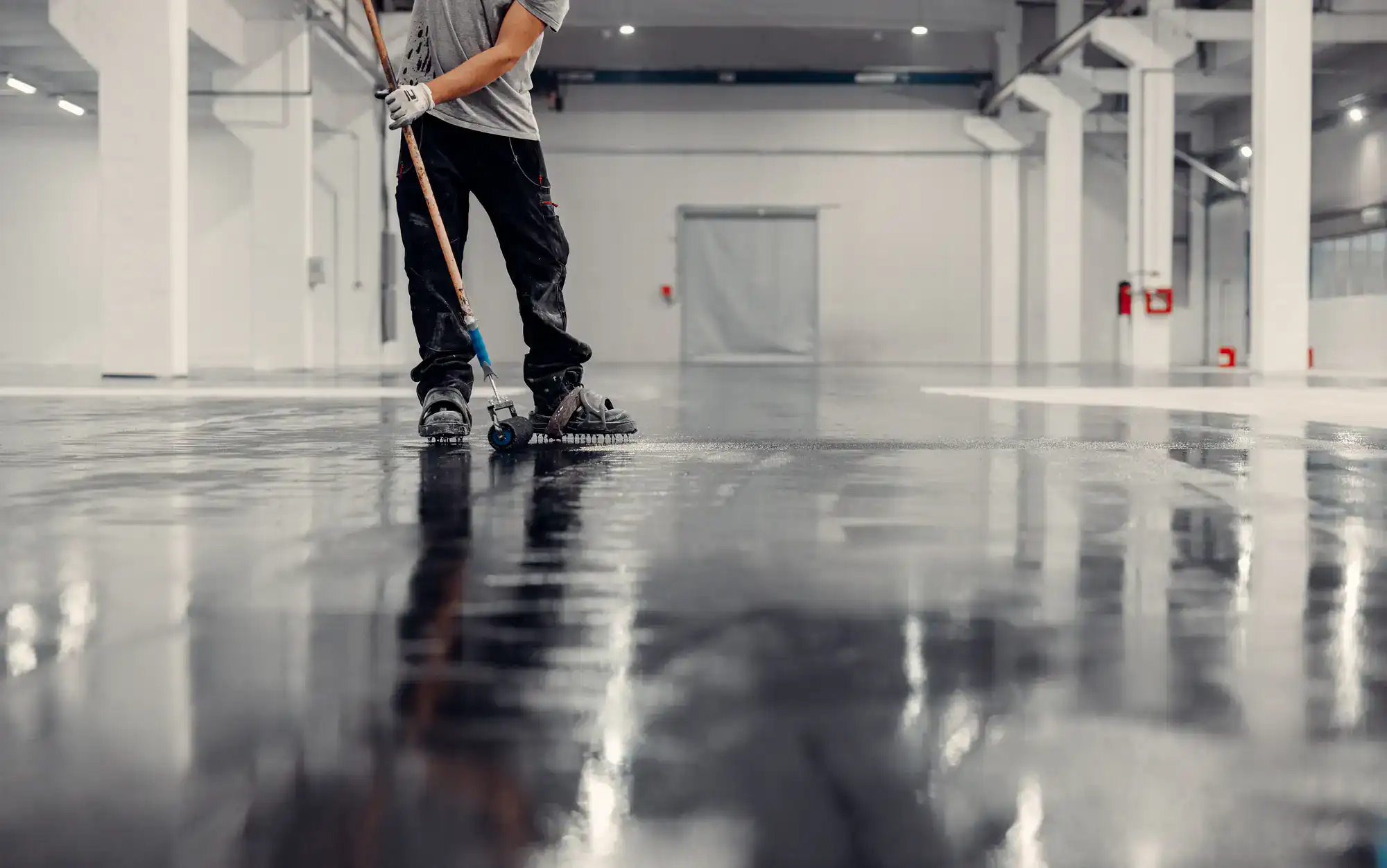
On the commercial side, warehouses and logistics facilities in the Florida Central Commerce Park need floors that hold up to foot traffic, forklifts, and chemical spills without breaking down. A durable epoxy or polyaspartic system keeps those floors safe, compliant, and low-maintenance which matters a lot when your operation can’t afford downtime.
We’re a masonry services company that handles everything concrete floors, coatings, surface prep, and more. Our work covers both residential and commercial projects throughout Seminole County, including Longwood and the surrounding communities along SR 434 and Ronald Reagan Boulevard.
What sets our process apart is transparency. You get a full, itemized quote before anything starts surface preparation, moisture treatment, base coat, topcoat, all of it. No vague estimates that grow once the crew is on-site. And once the job is done, we follow up with a call to confirm the floor is performing the way it should.
Longwood homeowners investing in properties that are now averaging $455,000 in sale price deserve to know exactly what they’re getting. We’re fully licensed and insured in Florida, which matters in Seminole County where hiring an unlicensed contractor can leave you personally liable for on-site injuries or property damage.
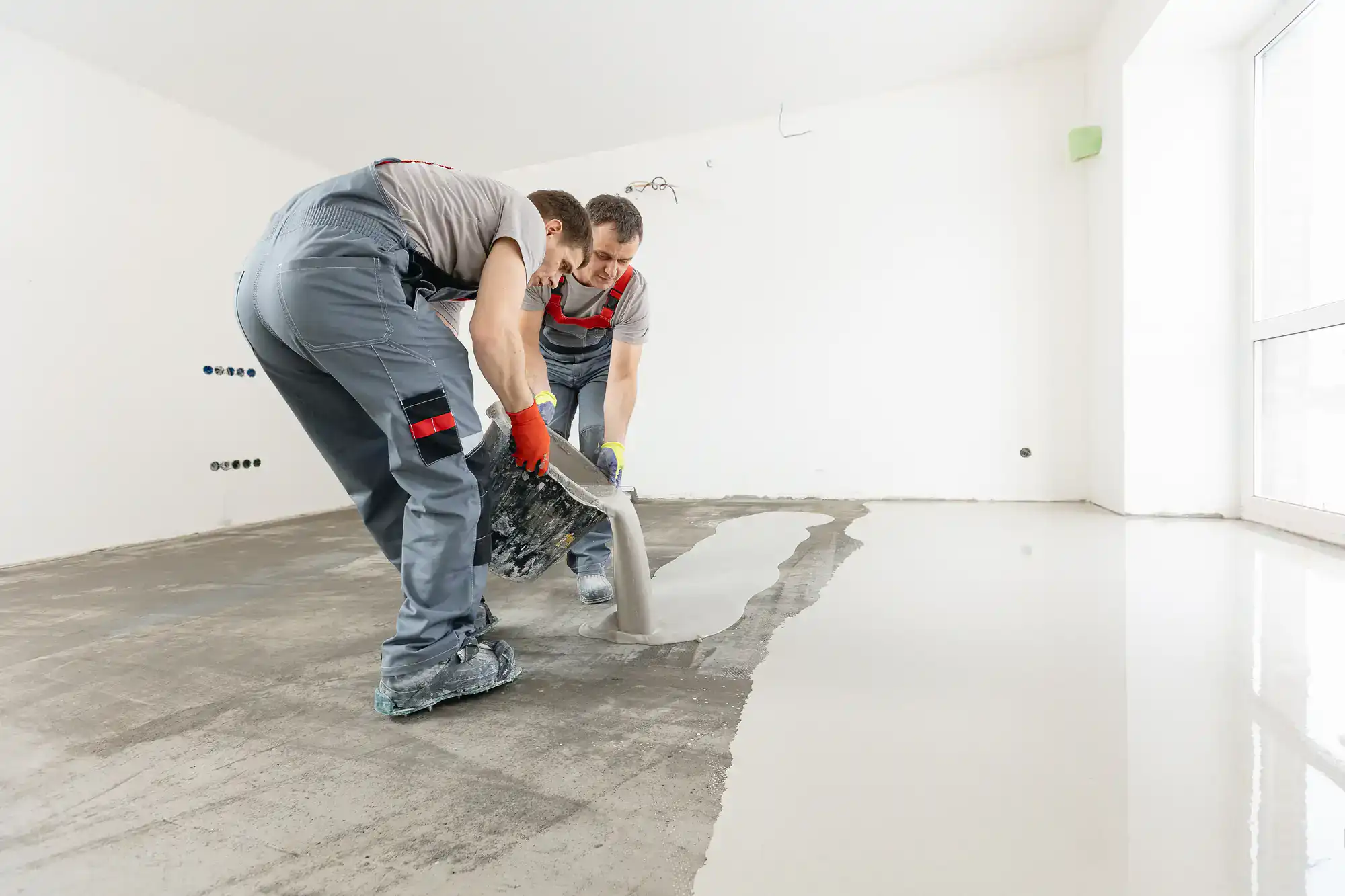
The job starts with a real assessment of your slab. That means moisture testing before anything else because in Longwood, where summer storms spike humidity daily and concrete slabs absorb ground moisture year-round, skipping that step is how floors fail. If the slab reads above the safe threshold, a vapor-barrier primer goes down first. That’s not an upsell. It’s what the conditions require.
Surface preparation comes next. We grind, clean, and repair any cracks or deterioration in the concrete. For older homes near Longwood’s Historic District or the established neighborhoods off US 17-92, this step takes longer because the slabs are older but it’s what makes the finished floor actually last. Rushing prep is the number one reason epoxy jobs fail in this climate.
Once the slab is ready, the coating system goes down in the correct sequence base coat, broadcast layer if applicable, and a UV-stable topcoat that won’t yellow or chalk under Central Florida’s sun. The dry season between November and April is the optimal installation window for outdoor surfaces like pool decks and driveways, but interior garage floors can be done year-round with the right climate management. After the final coat cures, we’ll follow up with a call to make sure everything is holding up the way it should.
Ready to get started?
Epoxy flooring isn’t one product it’s a category, and the right system depends on what your surface is, where it is, and what it has to handle. For residential garage floors in Longwood, that typically means a full-broadcast polyaspartic or epoxy system with a UV-stable topcoat, designed to resist oil, chemicals, and the moisture conditions that are specific to Central Florida slabs. For newer homes in subdivisions like Northridge Reserve, the concrete is in better shape and prep is faster. For older homes, more work goes into the slab before the first coat ever touches it.
For commercial clients in the Florida Central Commerce Park or the American Industrial Center Longwood’s 820,000-square-foot industrial complex off Florida Central Parkway the requirements shift toward chemical resistance, load-bearing durability, and compliance with safety and maintenance standards. We handle both, under one quote, with one point of contact.
Pool decks, patios, and driveways are also part of our scope. Exterior surfaces in Longwood take a beating from UV exposure and thermal cycling, and they need a coating system rated for outdoor use not an interior product applied outside. Every project gets a system matched to its actual environment, not a generic package picked off a price sheet. Most residential epoxy projects in Longwood do not require a building permit, but we’ll walk you through any requirements specific to your property before work begins.
The short answer is moisture. Longwood’s climate keeps concrete slabs in a near-constant state of vapor emission groundwater pressure from below, combined with the intense summer rainy season from May through October, means that moisture is almost always moving through the slab. When epoxy is applied over concrete that hasn’t been properly tested and primed for vapor transmission, that moisture gets trapped beneath the coating and causes it to blister and peel, sometimes within months of installation.
The fix isn’t a different brand of epoxy it’s a different process. Proper moisture testing with a calibrated meter, surface grinding to open the concrete’s pores, and a vapor-barrier primer where readings are elevated will prevent the failure that cheaper installs almost always produce. If a contractor skips the moisture test and goes straight to coating, the result is predictable. It’s one of the most common and avoidable problems in the Central Florida flooring market.
A properly installed epoxy or polyaspartic floor coating in Longwood should last anywhere from 10 to 20 years under normal residential use longer if it’s maintained correctly and wasn’t subjected to heavy abuse. The variables that shorten that lifespan are almost always installation-related: inadequate surface prep, skipped moisture testing, wrong product for the application, or a topcoat that isn’t UV-stable on an exterior surface.
Interior garage floors tend to hold up better than exterior surfaces simply because they’re not exposed to direct sunlight and thermal cycling. For outdoor applications pool decks, driveways, patios UV-stable polyaspartic topcoats are essential in Central Florida’s solar environment. A coating that yellows, chalks, or becomes brittle within a few years is almost always a product mismatch, not a normal outcome. The right system, installed correctly, holds up in this climate without needing to be redone every few years.
For most residential epoxy flooring projects in Longwood garage floors, interior slabs, patios a building permit is not required. Epoxy coating is a surface treatment, not a structural modification, so it typically falls outside the City of Longwood’s permit triggers. The City of Longwood Building Division handles permitting for work that involves structural changes, mechanical systems, or additions, but a floor coating on an existing slab generally doesn’t meet that threshold.
That said, there are a few things worth checking before you start. If your property is in a subdivision with an HOA, some associations require approval for exterior modifications including visible changes to driveways or pool decks. It’s worth a quick review of your HOA documents before the project begins. For commercial properties in the Florida Central Commerce Park or similar facilities, there may be additional considerations depending on the scope of work. We’ll flag anything relevant to your specific property during the initial assessment so there are no surprises.
Both are resinous floor coating systems, but they behave differently and are suited to different situations. Traditional epoxy is a two-part system that bonds well to concrete, offers good chemical resistance, and is cost-effective for most residential applications. It does have a longer cure time and can yellow over time if exposed to UV light, which is why it’s typically not the best choice for exterior surfaces in Central Florida.
Polyaspartic coatings are a newer technology that cure faster sometimes in a matter of hours and are inherently UV-stable, which makes them a better fit for garage floors with natural light exposure, pool decks, and driveways in Longwood’s sun-heavy environment. They also tend to be more flexible, which helps with the minor thermal expansion and contraction that concrete experiences through Florida’s heat cycles. The tradeoff is cost: polyaspartic systems generally run higher than standard epoxy. For most Longwood homeowners, the right answer depends on the surface, the exposure, and the budget and we’ll recommend the system that actually fits your situation, not the one with the highest margin.
For a standard two-car garage in Longwood roughly 400 to 500 square feet you can expect to pay somewhere between $1,200 and $2,500 for a professionally installed epoxy or polyaspartic system, depending on the condition of the slab, the coating system selected, and any prep work required. Older slabs with oil staining, surface damage, or elevated moisture readings will cost more to prepare properly, and that’s not a reason to cut corners it’s a reason to budget honestly.
Be cautious of quotes that come in significantly below that range. In most cases, the savings come from skipping surface prep, using thinner product applications, or not testing for moisture all of which lead to premature failure. We provide fully itemized quotes so you can see exactly what’s included and why. There are no line items added after the job starts, and the price you’re quoted is the price you pay. For Longwood homeowners in newer subdivisions like Northridge Reserve, where slab conditions are typically better, prep costs are lower and the overall project cost tends to sit toward the lower end of that range.
Yes, but it requires more preparation and the right conditions on installation day. The dry season November through April is the preferred window for outdoor surfaces like driveways and pool decks, when ambient humidity is lower and dew point conditions are more predictable. For interior garage floors, installation is feasible year-round, including during Longwood’s May through October rainy season, as long as the installer is managing the environment properly.
That means checking the moisture content of the slab the morning of installation, using fans and climate control equipment to manage humidity inside the garage, and confirming that the air temperature is at least five degrees above the slab temperature before coating begins. These aren’t optional steps in Central Florida they’re the difference between a floor that cures correctly and one that traps moisture and fails within months. We schedule and time installations around these conditions, not just around calendar availability, which is part of why the finished floors hold up the way they do in this climate.
Other Services we provide in Longwood