Epoxy Flooring in Altamonte Springs, FL

Altamonte's Older Slabs Deserve More Than a Coat of Paint

Most epoxy jobs in Altamonte Springs fail before the second rainy season not because of the coating, but because of what wasn’t done first. We fix that.
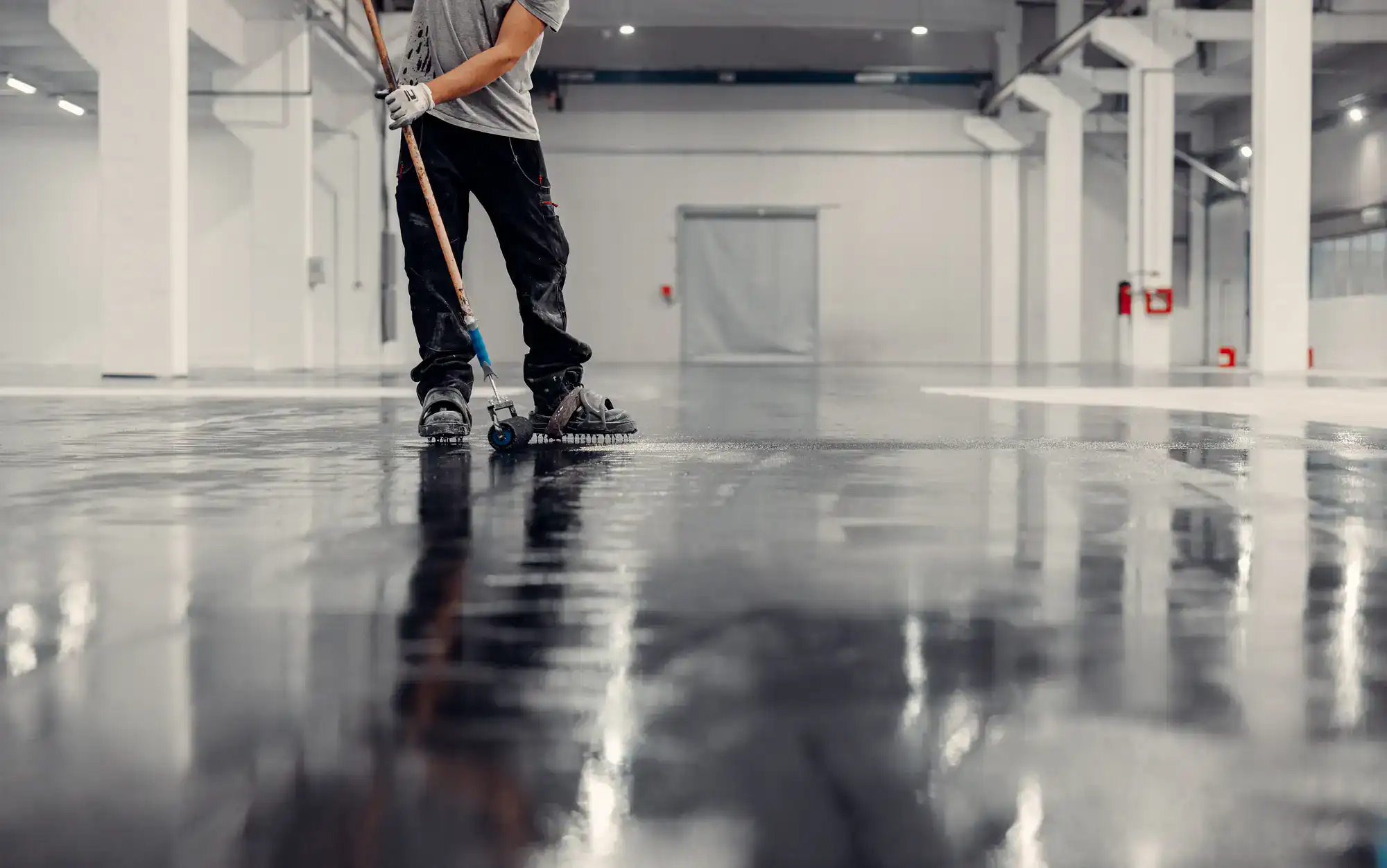
Worker applying epoxy coating on a concrete floor in a commercial space.

Hear From Our Clients

[Add Trustindex Slider Here]
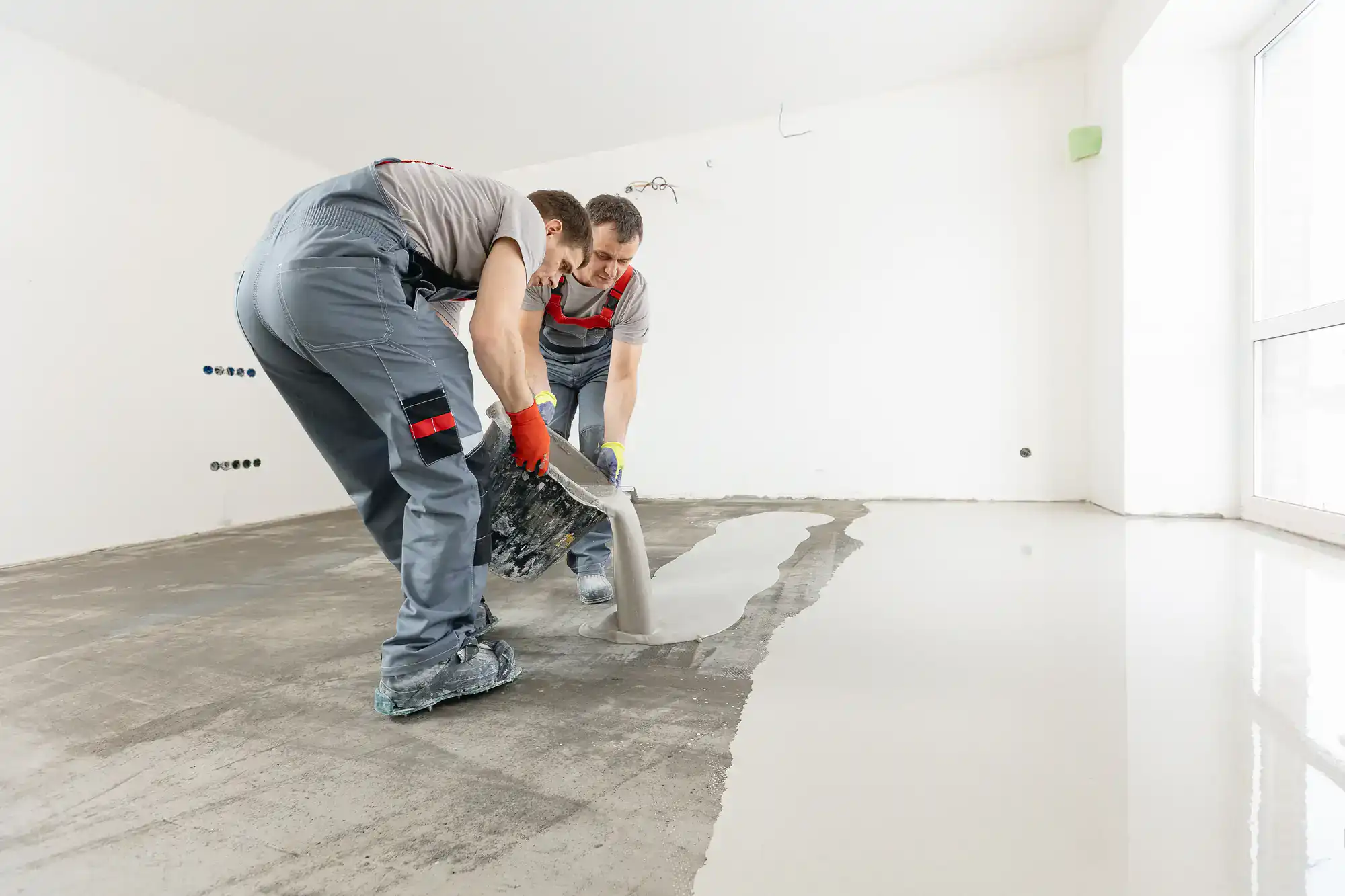
Worker applying epoxy flooring in a bright, empty room with large window.

Concrete Floor Coating Altamonte Springs

A Floor That Holds Up Where Florida Pushes Back

The homes in Sanlando, Spring Lake Hills, and around Lake Orienta were mostly built in the 1960s through the 1980s. That means the concrete slab under your garage or patio has been absorbing Florida humidity, soaking up oil, and dealing with ground moisture for four to six decades. By the time most homeowners in Altamonte Springs decide to coat it, the slab has earned every stain, crack, and rough patch it’s showing. A proper epoxy installation doesn’t just cover that it addresses it.

Altamonte Springs sits surrounded by water. Lake Orienta, Cranes Roost Lake, Pearl Lake, Lake Lotus the city is ringed by lakes, and that ambient moisture doesn’t stay outside. It moves upward through your concrete via vapor transmission, and if a contractor skips the moisture testing step, that pressure builds under the coating and starts peeling it from the inside out. That’s not a product failure. That’s a preparation failure. When the process is done right, you get a floor that resists that pressure, handles Florida’s heat and UV exposure, and stays looking clean years down the road not just months.

For businesses operating along SR 436 or near the CenterPointe district, the stakes are higher. A floor that chips, peels, or becomes a slip hazard in a commercial space isn’t just an eyesore it’s a liability. The right coating system, applied correctly, gives you a surface that can handle foot traffic, chemical exposure, and daily commercial use without constant maintenance.

Epoxy Flooring Contractor Altamonte Springs

Straight Answers, Real Prep, No Shortcuts

Stone Forge USA is a masonry contractor that handles the full range of concrete work floors, driveways, patios, pool decks, commercial slabs. That breadth isn’t just a selling point. It means we understand concrete as a material, not just a surface to coat. When we show up to a 1970s ranch home off SR 434 or a commercial space near the Altamonte Mall, we’re reading the slab before we’re reaching for a product.

What that looks like in practice: moisture testing before any application, surface preparation that actually removes contaminants instead of coating over them, and a clear explanation of what system makes sense for your specific floor and how it’s used. Pricing is given upfront and in writing. Project tracking keeps you informed without requiring you to chase anyone down. And if something comes up mid-project, you hear about it directly not after the fact.

Altamonte Springs is a busy city. We understand that you have a schedule, and we work around it not the other way around.

Applying epoxy coating on a concrete floor in a commercial space.

Garage Floor Epoxy Process Altamonte Springs

What Actually Happens Before the First Drop Goes Down

The first thing that happens on any epoxy job is an honest look at the slab. In Altamonte Springs, that means checking for moisture vapor transmission because with the city’s lake proximity and high water table, even a slab that looks dry can be actively pushing moisture upward. A calcium chloride test or relative humidity probe tells the real story. If moisture levels are too high to coat safely, that gets communicated clearly before any work begins, not after.

Once the slab passes moisture thresholds, surface preparation starts. For most homes in the Sanlando or Druid Hills area, that means mechanical grinding to open the concrete’s pores, removal of oil stains and surface contaminants, and patching of any cracks or spalling before primer goes down. This step determines whether your floor lasts three years or fifteen. It’s not the exciting part, but it’s the part that matters most.

From there, the coating system is applied in stages primer, base coat, decorative layer if applicable, and a UV-stable topcoat designed to handle Florida’s sun exposure without yellowing or chalking. Cure times are communicated clearly so you know exactly when the floor is ready for foot traffic, vehicles, or equipment. Timing matters here: most installations are scheduled outside of Altamonte Springs’ May through October rainy season when possible, since high humidity and rapid temperature swings can affect how coatings cure. If your project falls during that window, the process is adjusted accordingly.

Polished epoxy flooring in a commercial garage with a worker cleaning surface.

Residential and Commercial Epoxy Flooring Altamonte Springs

Every Surface Gets the System It Actually Needs

Not every floor needs the same coating, and we don’t treat them like they do. A garage floor in a Spring Lake Hills home used for daily parking and occasional storage has different demands than a commercial kitchen floor near AdventHealth or a retail space in one of Altamonte Springs’ 50-plus multi-tenant retail centers. The coating system product type, thickness, finish, and topcoat is selected based on how the floor is actually used and what conditions it faces.

For residential garage floors, the focus is on durability against Florida’s heat cycles, resistance to oil and chemical staining, and a finish that holds up without requiring constant upkeep. For outdoor surfaces like pool decks and patios common in Altamonte Springs homes where outdoor living is year-round UV-stable polyaspartic systems are used specifically because standard epoxy breaks down under prolonged sun exposure. For commercial applications, chemical resistance, slip ratings, and minimal downtime during installation all factor into the system choice.

It’s worth knowing that interior epoxy flooring in Altamonte Springs does not require a building permit under the City’s guidelines for cosmetic flooring work. That said, any contractor working on your property should carry a valid Florida state license, a local business tax receipt, and proof of workers’ compensation coverage and we carry all of it. Seminole County homeowners have real financial exposure when they hire unlicensed or uninsured contractors, and that’s not a risk worth taking.

Workers applying epoxy flooring in a bright, empty room in Altamonte Springs, FL.

Why do so many epoxy floors in Altamonte Springs start peeling after a year?

The most common reason is moisture vapor transmission, and it’s a bigger issue in Altamonte Springs than in drier parts of Florida. The city is surrounded by lakes Lake Orienta, Cranes Roost Lake, Pearl Lake and sits above a high water table. Even when a concrete slab looks and feels completely dry, moisture can be actively migrating upward through microscopic pores in the concrete. If a contractor applies epoxy without testing for this first, that vapor pressure builds up beneath the coating and separates it from the slab usually within the first one to two rainy seasons.

The fix isn’t complicated, but it requires an extra step most budget contractors skip: moisture testing before any coating goes down. When moisture levels are within acceptable range, a vapor-barrier primer is applied first to block that upward transmission. That one step is the difference between a floor that looks great for a decade and one that starts bubbling by summer.

Done correctly, a professionally installed epoxy floor in Altamonte Springs should last anywhere from ten to twenty years in a residential garage with normal use. The variables that affect that range are surface preparation quality, the coating system used, and how much UV and heat exposure the floor sees. Florida’s subtropical climate is harder on coatings than most of the country the combination of intense UV, high humidity, and temperature swings between seasons creates real stress on any surface coating.

For floors exposed to direct or indirect sunlight garage floors near open doors, patios, pool decks a UV-stable polyaspartic topcoat is essential. Standard epoxy without a UV-resistant topcoat will yellow and chalk within a few years under Altamonte Springs’ sun exposure. Polyaspartic systems cost more upfront, but they hold their appearance significantly longer and don’t require recoating nearly as often. For interior floors with no UV exposure, a standard two-part epoxy system performs well for the long term as long as the prep work was done right.

For interior residential epoxy flooring, no permit is required in Altamonte Springs. The City classifies cosmetic flooring work including epoxy coatings, tile, carpet, and similar finishes as work that does not trigger a building permit requirement. That means you can move forward without the added time and cost of a permit application for a standard garage floor or interior concrete coating project.

Where it gets more complicated is on the contractor side. Any contractor you hire in Altamonte Springs or anywhere in Seminole County is required to carry a valid Florida state contractor’s license, a local occupational license or business tax receipt, and proof of workers’ compensation coverage or a valid exemption. This isn’t just paperwork if a worker is injured on your property and the contractor doesn’t have proper coverage, the financial liability can fall on you as the homeowner. Before any work starts, ask to see those documents. A legitimate contractor will have them ready without hesitation.

Epoxy is a two-part resin system that bonds tightly to concrete and creates a hard, durable surface. It’s been the standard for garage floors and commercial spaces for decades, and when it’s properly applied to a prepared slab, it performs very well. The limitation in a place like Altamonte Springs is UV sensitivity standard epoxy will yellow and degrade under prolonged sun exposure, which is a real issue in Florida.

Polyaspartic is a newer coating chemistry that cures faster, handles a wider temperature range, and is UV-stable without requiring a separate topcoat. It’s also more flexible than standard epoxy, which makes it more resistant to the minor concrete movement that happens in Florida’s soil conditions. The tradeoff is cost polyaspartic systems typically run higher than standard epoxy. For outdoor or semi-outdoor surfaces, or for any floor where long-term appearance matters, the added investment in polyaspartic is usually worth it. For a protected interior garage floor with no UV exposure, a quality epoxy system with a urethane topcoat is often the more cost-effective choice.

For a standard two-car garage in Altamonte Springs typically 400 to 500 square feet expect to pay somewhere in the range of $1,500 to $3,500 for a professionally installed epoxy system. That range shifts based on the condition of the slab, the coating system selected, and whether decorative elements like flake or metallic finishes are included. Older slabs common in Altamonte Springs neighborhoods like Sanlando or Druid Hills often require more surface preparation grinding, crack repair, stain removal which adds to the total but is not optional if you want the coating to actually bond.

Be cautious of quotes that come in significantly below that range. Very low bids almost always mean one of two things: the surface preparation is being cut short, or a thin single-coat system is being used instead of a proper multi-layer installation. Either way, you’re likely looking at a floor that starts failing within a year or two. Transparent, itemized pricing upfront showing you exactly what’s included in the prep and what coating system is being applied is the clearest signal that a contractor is being straight with you.

Yes, and it’s actually one of the most common scenarios in Altamonte Springs. The majority of residential neighborhoods here Spring Lake Hills, Sanlando, the areas around Lake Orienta were developed in the 1960s through 1980s, which means a large portion of the city’s housing stock is sitting on slabs that are now 40 to 60 years old. Those slabs can absolutely be coated successfully, but they require more thorough preparation than a newer pour.

Older concrete typically shows surface spalling, efflorescence from decades of moisture migration, oil and chemical staining in garages, and minor cracking from soil movement over time. None of that disqualifies a slab from being coated but all of it has to be addressed before any product goes down. Cracks are filled and stabilized, efflorescence is cleaned and treated, oil contamination is removed through grinding or chemical degreasing, and the surface is profiled to give the coating proper mechanical adhesion. When that prep work is done correctly, an older slab can hold a coating just as well as a new one sometimes better, because older concrete has fully cured and stabilized in ways that freshly poured slabs haven’t yet.

Other Services we provide in Altamonte Springs