Masonry Contractor in Silver Lake, FL

Lakefront Homes Here Don't Forgive Ignored Mortar

Silver Lake’s humidity doesn’t take a season off and neither does the damage it does to brick and mortar. We get calls from homeowners who’ve watched the same crack in their foundation grow wider every rainy season, or noticed white stains creeping across their brick after a summer storm. That’s what happens when masonry work gets delayed. We know how to stop it.
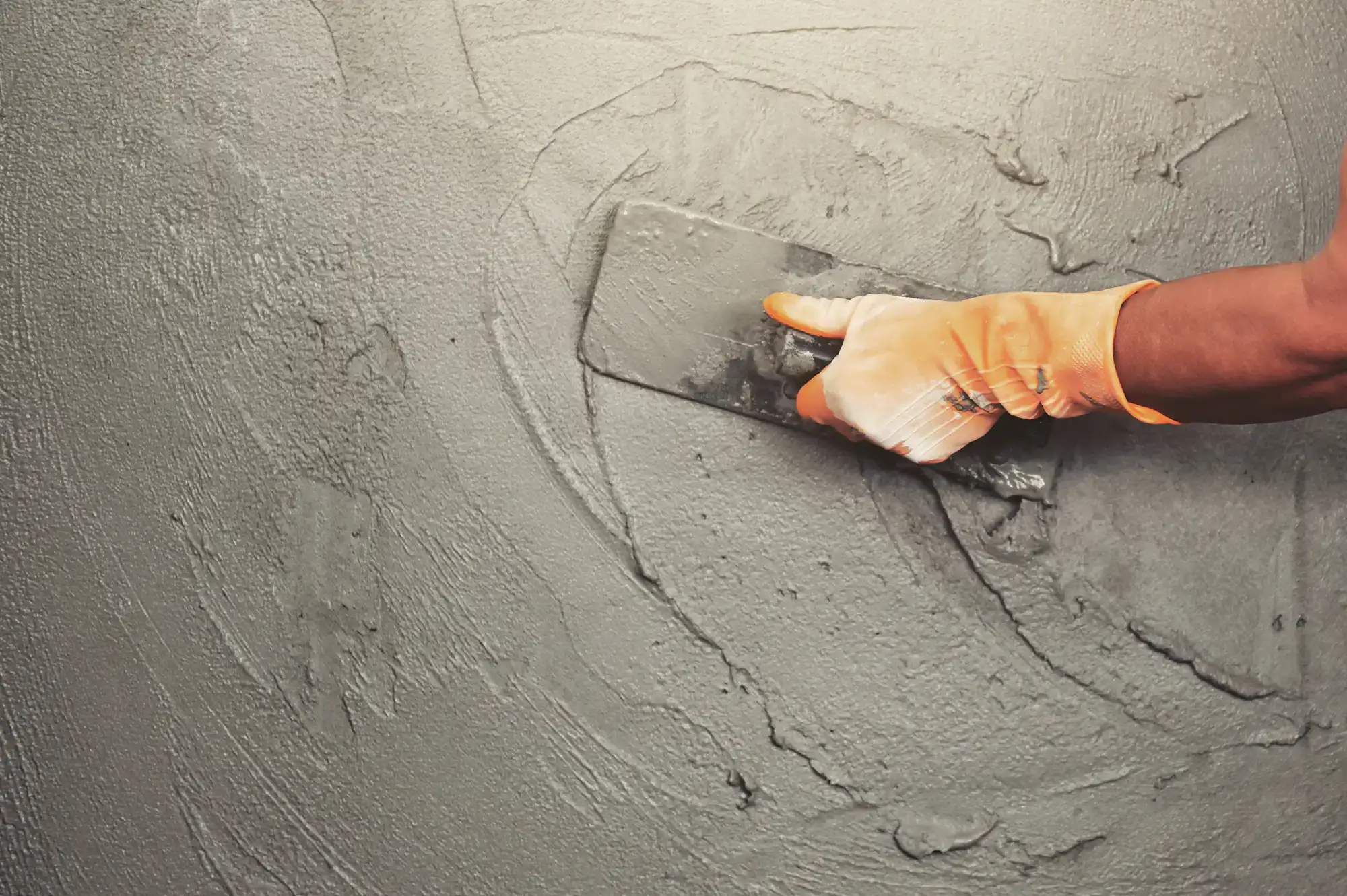
Person smoothing concrete surface with trowel for masonry work.

Hear From Our Clients

[Add Trustindex Slider Here]
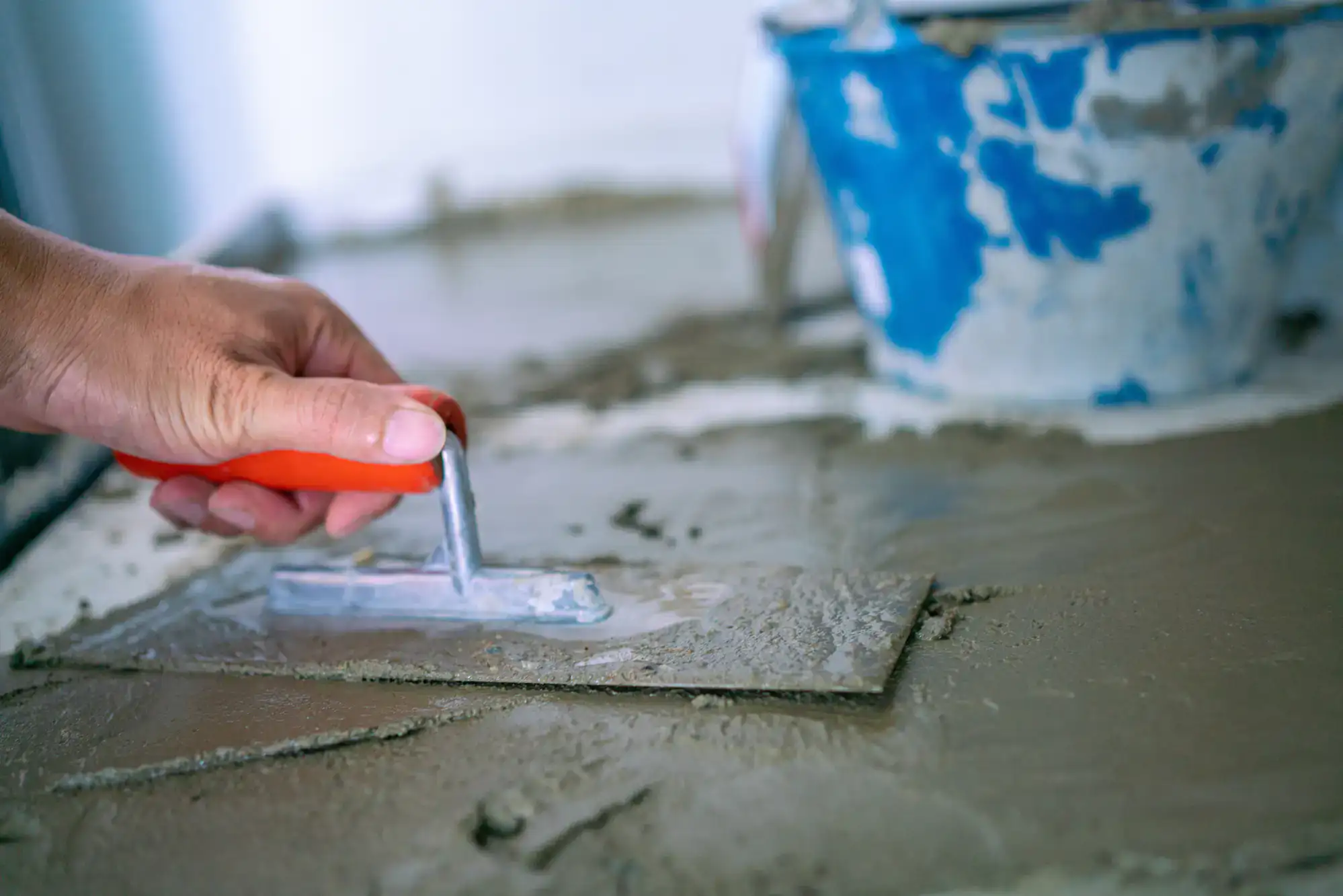
Worker smoothing freshly poured concrete with a trowel in construction site.

Masonry Repair in Silver Lake

What Changes When the Mortar Actually Holds

When masonry work is done right, you stop watching the problem get worse every rainy season. No more white residue creeping across your brick face after a summer storm. No more wondering if that crack in the retaining wall is just cosmetic or something that’s going to cost you three times as much to fix next year. You get a property that looks cared for and holds its value and that matters in Silver Lake where most people have owned their homes for years and have real equity on the line.

For homes along Silver Lake Drive and throughout Silver Lake Estates, moisture is the main enemy. The lake itself covers 385 acres and wraps around a significant portion of the community. That kind of proximity to water accelerates efflorescence, eats through mortar joints faster than inland properties, and creates the kind of recurring surface damage that gets misread as cosmetic when it’s actually structural. Catching it early with the right materials and the right technique is what keeps a manageable repair from becoming a full rebuild.

The other thing that changes is the stress of not knowing. You’ll have a written estimate before anything starts, project updates while the work is happening, and a follow-up call after it’s done. That’s not a bonus that’s just how this should work.

Masonry Company near Silver Lake, FL

One Company for Every Masonry Need on Your Property

We serve Silver Lake and the surrounding Lake County area, including properties throughout Silver Lake Estates, along the lake, and near the Leesburg corridor off US-441. We’re not a company that handles one type of masonry job and figures out the rest as we go. Brick, block, stone, tuckpointing, retaining walls, concrete repair it all falls under one roof, with crews who know the difference between Florida masonry conditions and what you’d deal with up north.

Because Silver Lake is unincorporated Lake County, permitted masonry work runs through Lake County Building Services not a city department. We hold the Florida State masonry contractor certification required to pull permits through that process, and we carry the liability insurance and workers’ compensation coverage Lake County requires. That’s not a technicality it means the work is legal, inspectable, and backed by a licensed professional.

When you hire us, you’re getting one contractor who knows your property, handles every masonry need that comes up, and is accountable from the first estimate to the final walkthrough.

Trowel spreading concrete for masonry work in Altamonte Springs, FL.

How Masonry Work Gets Done Right

No Guesswork Here's Exactly What to Expect

It starts with an honest assessment. A crew member comes out to your property, looks at what’s actually going on not just what’s visible on the surface and puts together a written, itemized estimate. You’ll see exactly what work is being done, what materials are being used, and what it costs. No verbal ballparks. No line items that appear later on the invoice.

Once you approve the scope, scheduling takes into account something most contractors don’t mention upfront: the weather. Silver Lake’s rainy season runs May through October, and afternoon thunderstorms are a near-daily reality from June through September. Every project plan includes a weather contingency protective coverings for active work, scheduling buffers built in, and clear communication if conditions push a timeline. You won’t be left guessing why no one showed up.

During the job, you’ll have visibility into where things stand. After it’s done, we’ll call to confirm everything met your expectations. If something’s off, that’s the moment to say so not three weeks later when the crew is long gone. The goal is that you can describe this experience to a neighbor on Silver Lake Drive and not have a single complaint.

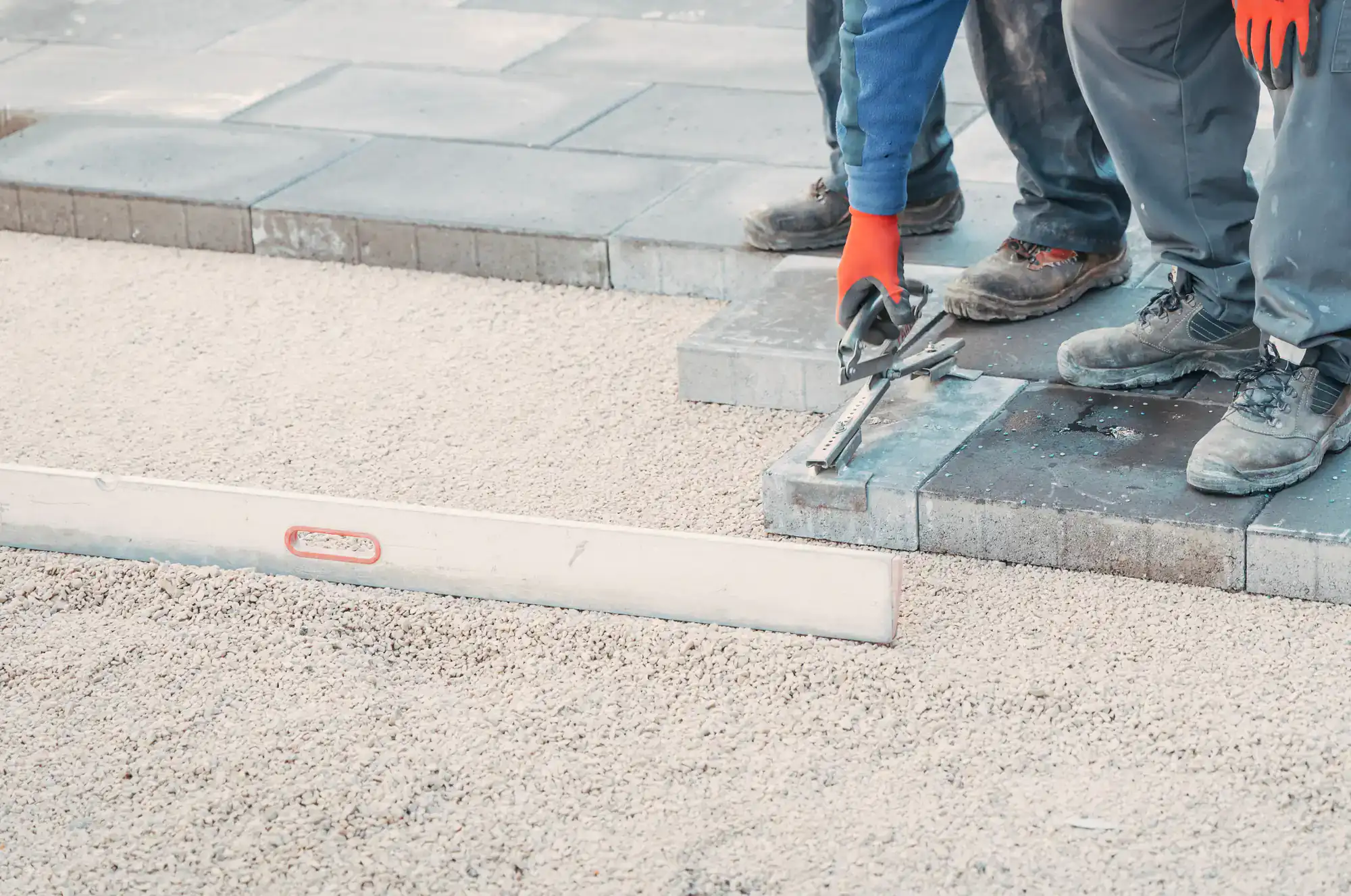
Masonry workers installing concrete pavers for a patio or walkway.

Masonry Services for Silver Lake Homeowners

Every Masonry Service Your Property Might Actually Need

The masonry needs in Silver Lake tend to cluster around a few common patterns. Mortar joint failure is the most frequent homes built between 1970 and 1999 make up a large portion of the housing stock here, and original mortar joints on those properties are at or past the end of their service life. Tuckpointing and repointing done with the right mortar formulation for a high-humidity lakefront environment is what stops moisture intrusion before it becomes a structural problem.

Retaining walls are another consistent issue, especially on properties that slope toward the lake or sit in areas with heavy seasonal rainfall runoff. A wall that’s shifted or cracked after a storm isn’t just an eyesore it’s a liability. We handle the assessment, the repair, and the rebuild, depending on what the wall actually needs. The same applies to brick facades, chimneys, concrete block fencing, stone features, and hardscape elements throughout your property.

Every service comes with mortar color and texture matching so repairs blend into the existing masonry rather than announcing themselves. For Silver Lake homeowners who have maintained their properties for decades, that detail matters. You’ve put real work into this place the repairs should reflect that.

Workers installing pavers for a stone masonry project in Altamonte Springs, FL.

Does masonry work in Silver Lake require a permit from Lake County?

It depends on the scope of the work. Cosmetic repairs like tuckpointing or patching a small section of mortar typically don’t require a permit. But structural masonry work, including retaining wall rebuilds, new block or brick construction, and significant chimney repairs, generally does require a permit through Lake County Building Services.

Because Silver Lake is an unincorporated community, there’s no city building department involved. All permitted work goes through Lake County directly, and the contractor pulling the permit needs to hold a valid Florida State masonry contractor certification and be registered with the county. We meet both requirements. If your project falls into permit territory, we handle that process you don’t have to navigate Lake County’s permitting portal on your own or figure out what documentation is required.

That’s efflorescence and it’s extremely common on properties in Silver Lake, particularly for homes close to the water. It happens when moisture moves through masonry, picks up soluble salts from the brick or mortar, and then evaporates on the surface, leaving behind a white powdery or crusty deposit. It’s not just cosmetic. Recurring efflorescence is a sign that water is actively moving through your masonry, which means the mortar joints or the brick itself may be compromised.

The lakefront environment around Silver Lake creates elevated ambient humidity and more frequent moisture cycling than you’d find on an inland property. That accelerates both the efflorescence and the underlying mortar deterioration that causes it. Cleaning the surface without addressing the source just means it comes back. The right fix involves identifying where the moisture is entering, repointing the affected joints with a mortar formulation suited for high-humidity conditions, and in some cases applying a breathable masonry sealer. We can walk you through what your specific situation actually needs.

Yes, but it requires planning that a lot of contractors skip. The rainy season in Lake County runs from May through October, with the heaviest activity from June through September. Afternoon thunderstorms are nearly daily during that stretch, and fresh mortar needs time to cure without getting saturated typically 24 to 48 hours of dry conditions depending on the mix and the scope of work.

The way to handle this isn’t to avoid summer projects entirely it’s to build weather contingency into the plan from the start. That means scheduling work in morning windows before the afternoon storms roll in, using protective coverings on active work when needed, and building schedule buffers so a rain delay doesn’t cascade into a week-long gap. We address this before the job starts, not after the first delay. If you’re planning a project during rainy season, ask specifically how weather will be managed any experienced Florida masonry contractor should have a clear answer.

The honest answer is that it depends on what’s causing the movement or damage and that’s not something you can always tell from the surface. A wall that’s leaning or has visible cracks could be a drainage issue, a footing problem, or just mortar failure in the joints. Each of those has a different fix, and treating them the same way leads to repairs that don’t last.

In Silver Lake, retaining walls take a lot of stress from seasonal rainfall runoff. The rainy season dumps the majority of the year’s precipitation in a five-month window, and walls that weren’t built with adequate drainage behind them tend to show the strain over time. A proper assessment looks at the wall’s footing, the drainage situation behind it, and the condition of the block or brick itself. From there, the recommendation is based on what the wall actually needs not the most expensive option or the quickest patch. We give you a written scope before any work starts so you understand exactly what’s being done and why.

Tuckpointing costs vary based on the size of the area being repointed, the accessibility of the work surface, and the condition of the existing mortar. For a standard residential job in the Silver Lake area say, one or two exterior walls on a home built in the 1980s or 1990s you’re typically looking at a range of a few hundred dollars for a small section up to $2,000 or more for a larger scope involving multiple walls or significant joint deterioration.

What’s worth understanding is the cost comparison. A tuckpointing job done now, before moisture intrusion has worked its way into the brick itself, is significantly less expensive than dealing with spalling brick, structural damage, or a wall that needs partial rebuilding after a few more rainy seasons. For homes in Silver Lake Estates and similar neighborhoods where the housing stock is 25 to 50 years old, that math is pretty straightforward. We provide written, itemized estimates so you know exactly what you’re paying for before any work begins no verbal quotes that shift once the job is underway.

A few things are worth confirming before you sign anything. First, ask whether they hold a Florida State masonry contractor certification and whether they’re registered with Lake County Building Services. Because Silver Lake is unincorporated, any permitted work requires a contractor who meets Lake County’s specific registration requirements not just a general handyman license. Ask to see proof of liability insurance and workers’ compensation coverage, and confirm that Lake County BCC is listed as certificate holder on the policy.

Beyond licensing, ask how they handle weather delays particularly if your project falls during the May through October rainy season. Ask whether your estimate will be written and itemized, or just a verbal number. Ask who your point of contact is during the project and how you’ll be updated on progress. These questions aren’t unreasonable any contractor who’s been doing this work in Lake County for any length of time should answer them without hesitation. If they can’t, that’s useful information too.

Other Services we provide in Silver Lake