Masonry Contractor in Altamonte Springs

Altamonte Springs Masonry That Holds Through Every Rainy Season

Florida’s summers don’t forgive weak mortar and in Altamonte Springs, that means six months of daily storms hitting the same walls year after year. We give you straight answers, written estimates, and masonry work built to last in this climate.
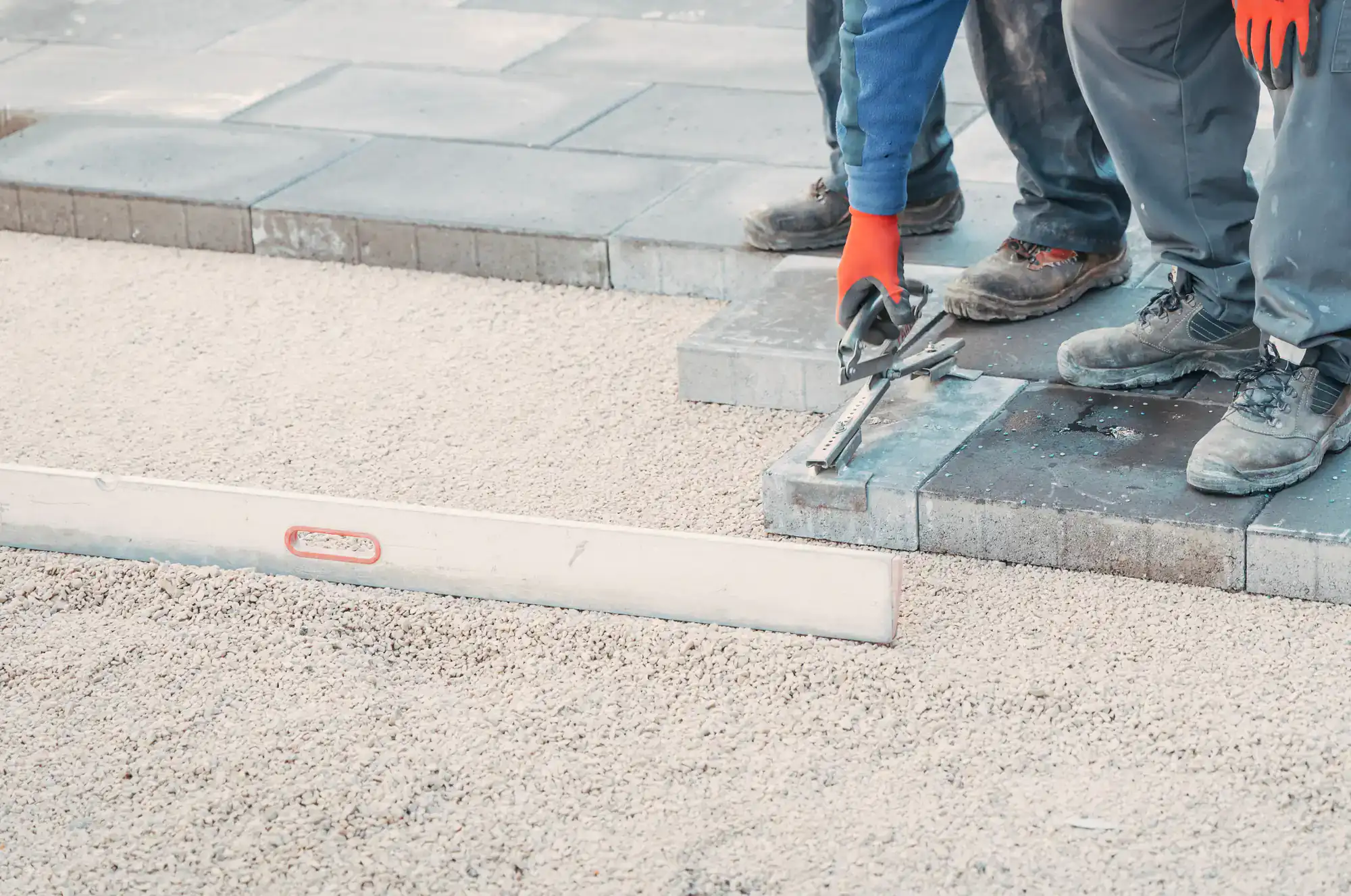
Masonry workers installing concrete pavers for a patio or walkway.

Hear From Our Clients

[Add Trustindex Slider Here]
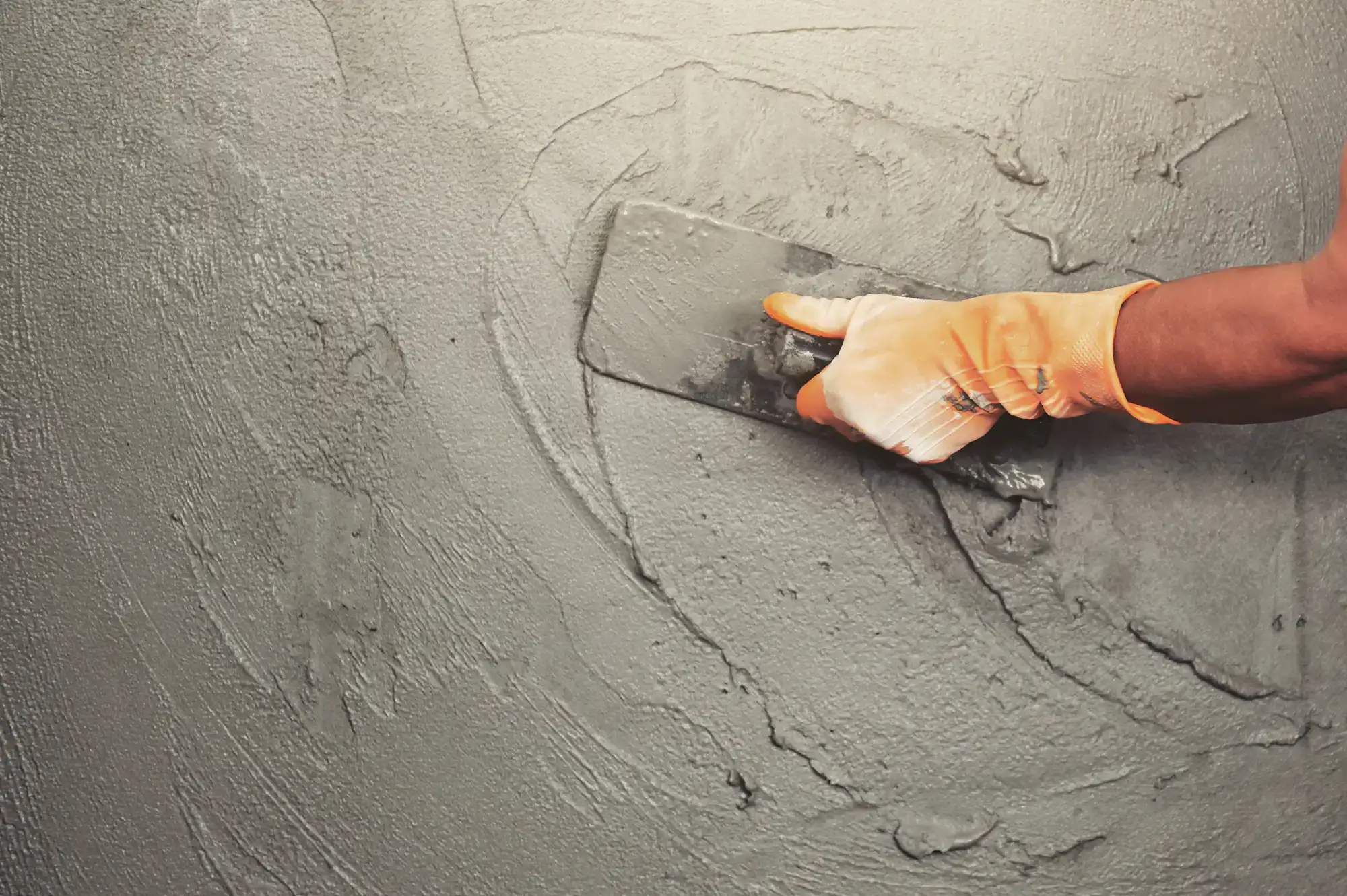
Person smoothing concrete surface with trowel for masonry work.

Masonry Repair in Altamonte Springs

What Changes When the Mortar Actually Holds

Most masonry problems in Altamonte Springs don’t announce themselves with a collapsed wall. They show up quietly white mineral deposits creeping across your block foundation, a hairline crack in the retaining wall along your driveway, a brick face that’s starting to flake near the base. These aren’t cosmetic issues. They’re water finding its way in, and every rainy season between May and October gives it six more months to do damage.

The homes throughout Sanlando Springs, Spring Lake Hills, and Weathersfield were largely built between the 1960s and 1980s. That’s 40 to 60 years of Florida heat, humidity, and storm cycles working on the same mortar joints. When those joints fail, moisture doesn’t just stain the surface it moves into the structure. Catching it early costs a fraction of what a full rebuild runs.

When the repair is done right, you stop managing a slow problem and start ignoring it because it’s no longer there. No more white staining after every rain. No more watching a crack inch wider each summer. Just a wall that does what it’s supposed to do and doesn’t require your attention again for years.

Masonry Company near Altamonte Springs

Licensed, Local, and Straight With You From the First Call

We’re a Central Florida masonry contractor working across Altamonte Springs and the surrounding Seminole County area. Every project starts with a written, itemized estimate not a ballpark figure over the phone, not a number that shifts once the crew shows up. You know the cost and the scope before anything starts.

The licensing piece matters here more than people realize. To pull a permit in Altamonte Springs, a contractor needs a Florida-issued state license, a local business tax receipt, and proof of workers’ compensation coverage. We carry all of it and handle the permit process with the city’s Building and Fire Safety Department on your behalf. That’s not a selling point it’s the legal baseline for doing this work properly.

From the AdventHealth corridor along Altamonte Drive to the older neighborhoods near SR 434, the masonry needs in Altamonte Springs are specific. We know what aging CMU construction looks like in Florida’s climate, and we know how to fix it without overcomplicating the process or the invoice.

Worker smoothing freshly poured concrete with a trowel in construction site.

Masonry Construction Process in Altamonte Springs

No Guesswork Here's Exactly How a Job Gets Done

It starts with an on-site assessment. We come out, look at the actual condition of the masonry, and tell you what’s happening not what might be happening, not a worst-case scenario designed to justify a bigger invoice. You get a clear picture of the damage, what’s causing it, and what a proper repair involves.

From there, you receive a written estimate that breaks down the scope, materials, and timeline before any work is scheduled. If your project requires a permit through the Altamonte Springs Building and Fire Safety Department which applies to most structural masonry work we handle that filing. You don’t have to navigate the city’s requirements or figure out whether your project crosses the permit threshold. That’s on us.

Once work begins, you get project updates throughout. Altamonte Springs’ rainy season runs May through October, and if your project falls in that window, we build weather contingency into the schedule upfront not as an excuse after the fact, but as a realistic plan from the start. When the job is complete, you’ll get a follow-up call to confirm everything looks right and answer any questions about ongoing maintenance. The work is done when you say it’s done.

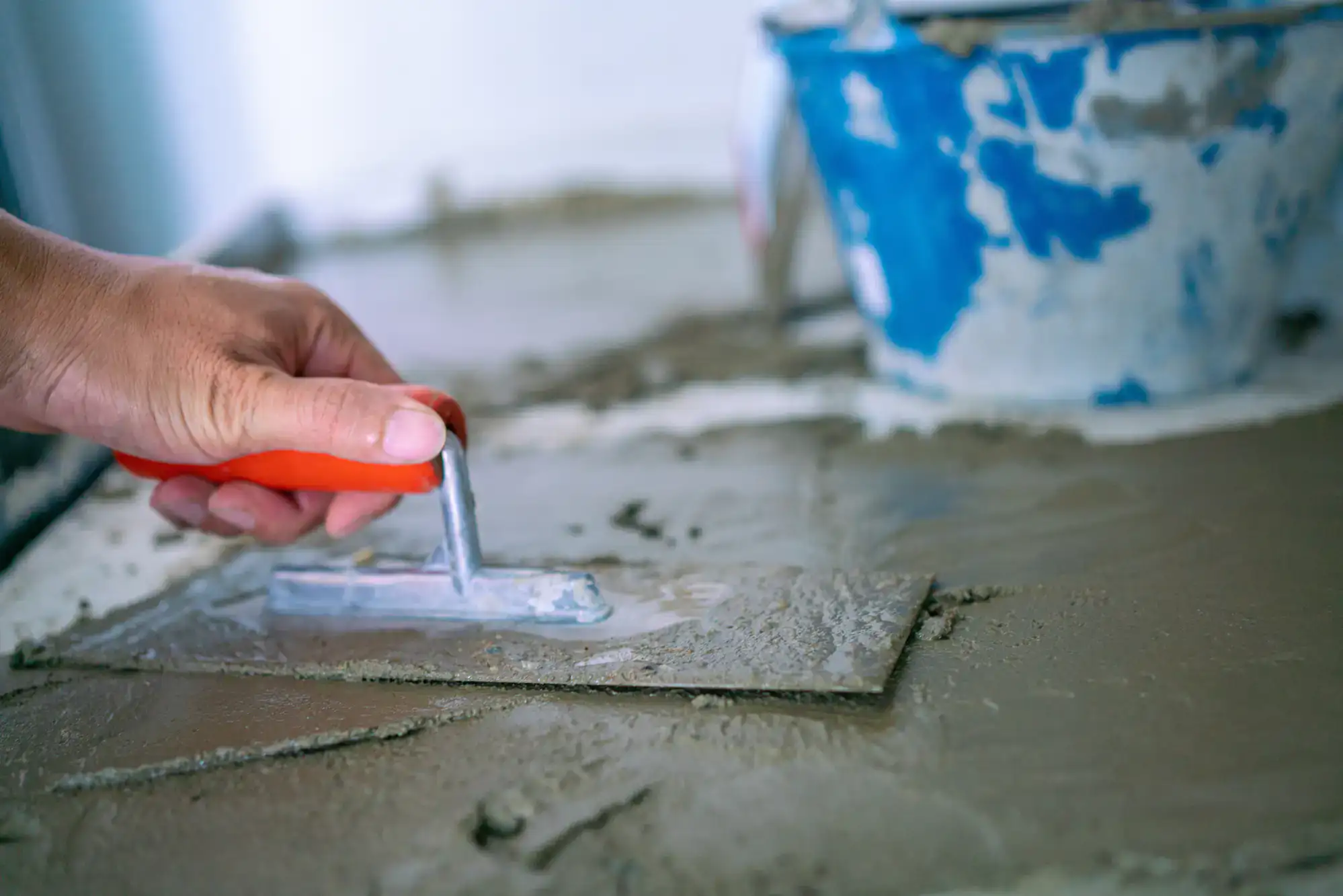
Trowel spreading concrete for masonry work in Altamonte Springs, FL.

Masonry Work and Repair Services in Altamonte Springs

Every Masonry Need Altamonte Springs Properties Actually Have, Covered

We handle the full range of masonry work that Altamonte Springs properties actually need not a narrow specialty, not a referral to someone else for half the job. Tuckpointing and repointing for aging mortar joints, brick and block repair, retaining wall restoration, chimney and fireplace masonry, custom stonework, and hardscape construction are all in scope. If it’s masonry, we handle it.

The mix of property types in Altamonte Springs creates a wider range of masonry needs than most suburbs. Single-family homes in Spring Lake Hills and Sandy Cove need the same repair attention as the condo communities and apartment complexes that make up over half the city’s housing stock. Property managers overseeing communities near Cranes Roost Park or along the SR 436 corridor have ongoing maintenance needs that go beyond a one-time fix and we work with both individual homeowners and property management teams who need reliable, documented work with a clear paper trail.

For commercial properties in the Uptown Altamonte district or along the Altamonte Mall corridor, facade repair and entrance masonry work needs to hold up aesthetically, not just structurally. Every service includes transparent pricing, permit management where required, and a follow-up after completion. There are no hidden add-ons and no scope changes without your approval first.

Workers installing pavers for a stone masonry project in Altamonte Springs, FL.

Do I need a permit for masonry repair work in Altamonte Springs, FL?

It depends on the scope of the work. Minor cosmetic repairs touching up a small section of mortar, patching a chip in a brick generally don’t require a permit. But anything structural does. Retaining walls, block wall construction or significant repair, chimney work, and any masonry that affects the structural integrity of a building all require a permit through the Altamonte Springs Building and Fire Safety Department.

The practical reason this matters: unpermitted work in Altamonte Springs can result in doubled or tripled permit fees after the fact, and in some cases the city can require the work to be opened up for inspection meaning portions of the repair get torn out. Beyond that, unpermitted masonry work has to be disclosed when you sell the property, which creates real complications at closing. We pull permits on every project that requires one and manage the process with the city directly, so you don’t end up with a problem down the road.

That white residue is called efflorescence, and it’s one of the most common masonry issues in Central Florida. What you’re seeing is mineral salt deposits left behind when water moves through the masonry and then evaporates on the surface. The staining itself isn’t the problem the water movement is.

In Altamonte Springs, where homes sit through six months of near-daily rain from May through October, efflorescence is a reliable sign that moisture is actively infiltrating your masonry. If it’s showing up in the same spots after every rain cycle, the mortar joints in those areas have likely deteriorated enough to allow consistent water entry. Left alone, that water keeps working into the block or brick, accelerating deterioration and eventually creating structural issues that cost significantly more to fix than a mortar repair would have. Getting it assessed early is the right call not because it’s always urgent, but because knowing what you’re dealing with lets you make a smart decision about timing.

For most residential projects in Altamonte Springs, tuckpointing runs somewhere between $5 and $25 per square foot depending on the extent of joint deterioration, the height and accessibility of the wall, and the materials involved. A focused repair on a section of a single-family home’s exterior block wall might run $500 to $1,500. A larger retaining wall or full facade repointing job can range from $2,000 to $5,000 or more.

What drives the number up isn’t usually the labor it’s the scope of damage that’s been allowed to compound. A hairline crack in a mortar joint that gets repaired promptly is a straightforward job. That same joint, left through three or four more rainy seasons, can allow enough moisture infiltration to compromise the surrounding block faces, which turns a mortar repair into a partial wall rebuild. The written estimate you receive from us breaks down exactly what’s included and why, so you’re not guessing at what the final number represents.

Yes, but it requires real planning not just hoping the afternoon storms hold off. Altamonte Springs gets the bulk of its annual rainfall between May and October, with near-daily thunderstorms through June, July, August, and September. That pattern affects mortar cure time, surface preparation, and scheduling in ways that a contractor without Florida experience might not account for.

The right approach is to build weather contingency into the project schedule from the start not treat it as a surprise when a storm rolls through. That means working in the morning hours before afternoon storm activity typically builds, using protective covering protocols when work needs to pause, and being realistic about timeline buffers during peak rainy season months. We plan for this upfront and communicate any schedule adjustments before they happen, not after. If your project is time-sensitive and falls in the May through October window, that conversation happens during the estimate phase so you have a clear picture of the realistic timeline.

In Florida, masonry contractors hold either a Certified or Registered state license. A Certified license allows a contractor to work anywhere in the state without additional local registration. A Registered license is valid only in the specific counties or municipalities where the contractor has registered meaning a Registered contractor working in Altamonte Springs must also carry a current Seminole County registration on top of their state license.

This distinction matters because it affects whether a contractor can legally pull a permit in Altamonte Springs. If a contractor shows up with a Registered license but hasn’t registered with Seminole County, they cannot pull a permit which means any work they do is technically unpermitted, regardless of how the job itself turns out. Before hiring any masonry contractor in Altamonte Springs, ask for their Florida license number and verify it on the Department of Business and Professional Regulation’s public database. It takes about two minutes and tells you exactly what they’re licensed to do and where.

A properly done mortar repair on a Florida concrete block home should hold for 20 to 30 years under normal conditions longer if the underlying block faces are in good shape and the repair addresses the root cause of the failure rather than just the surface appearance. The homes throughout Sanlando Springs, Spring Lake Hills, and other established Altamonte Springs neighborhoods that were built in the 1970s and 1980s are now at the age where original mortar joints are reaching or exceeding that lifespan.

What shortens that window in Central Florida is moisture cycling the constant wet-dry pattern of the rainy season pulling water into joints and then baking them dry again through the summer heat. Repairs that use the wrong mortar type for Florida’s climate, or that don’t properly prepare the joint before filling, tend to fail faster because the new material doesn’t bond correctly with the aged block. We use materials and techniques matched to Florida’s specific climate conditions, which is what separates a repair that lasts from one that needs to be redone in five years.

Other Services we provide in Altamonte Springs