Masonry Contractor in Wekiwa Springs, FL

Your 1980s Block Home Deserves More Than a Patch Job

Most homes in Wekiwa Springs were built in the late ’70s and ’80s and the masonry that’s held them together this long is telling you it needs attention. We give you straight answers, written estimates, and work that actually holds.
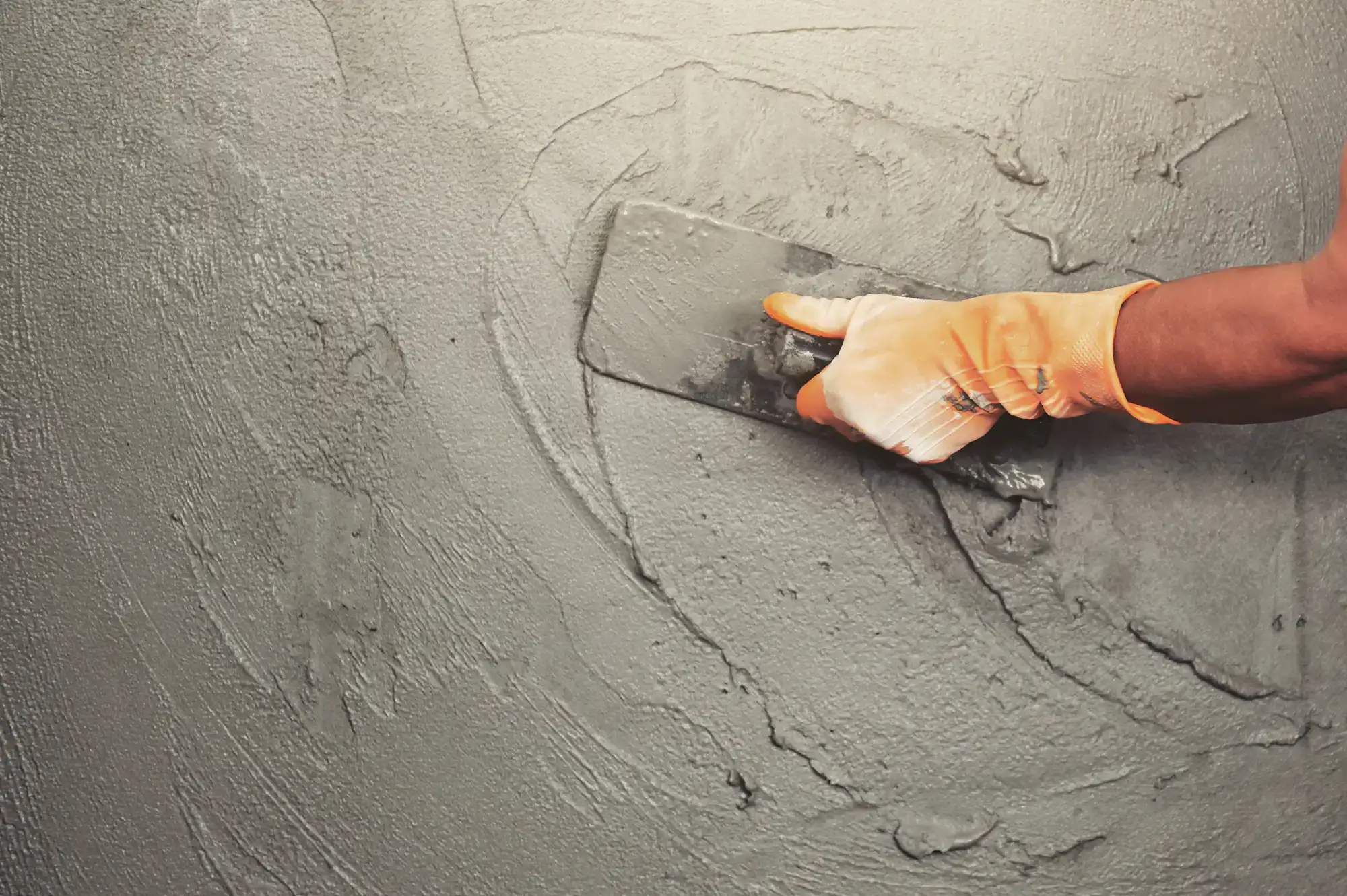
Worker smoothing freshly poured concrete with a trowel in construction site.

Hear From Our Clients

[Add Trustindex Slider Here]
Person smoothing concrete surface with trowel for masonry work.

Masonry Repair near Wekiwa Springs

What Changes When the Masonry Is Done Right

When mortar joints fail in a Florida climate, they don’t fail quietly. Moisture finds every gap, works its way into the block, and the damage compounds especially from May through October when Wekiwa Springs gets hammered with near-daily afternoon storms. A home that looked fine in April can show real structural stress by September if the early warning signs were ignored. Getting the masonry addressed early isn’t just maintenance it’s protecting an asset worth $450,000 or more.

The homes in communities like Sweetwater Oaks and the Lake Brantley corridor weren’t built with today’s materials, and that’s not a criticism it’s just the reality of 40-year-old concrete masonry unit construction. The mortar joints in that era of Wekiwa Springs building have a functional lifespan of 20 to 30 years under normal conditions. Central Florida’s heat, humidity, and the moisture load from the Wekiva River watershed push that timeline faster. What you’re left with is a home that needs real masonry work, not a cosmetic fix that fails in the next rainy season.

Done correctly, masonry repair restores the structural integrity of your walls, stops moisture infiltration before it reaches your interior, and keeps the character of your home intact. The work should be invisible when it’s finished matching mortar color, texture, and strength to what’s already there. That’s the standard. Anything less is a short-term answer to a long-term problem.

Masonry Contractor Serving Wekiwa Springs

Straight Answers Before the First Block Is Touched

We operate throughout Central Florida, and Wekiwa Springs is squarely within our core service area accessible via SR 434 and I-4, and a community we know well. We understand that Wekiwa Springs is unincorporated Seminole County, which means all permitted masonry work flows through the Seminole County Building Division in Sanford not a city department. That distinction matters when structural work requires a permit, and we handle that process so you don’t have to navigate it alone.

What we don’t do is give you a verbal quote that shifts when the invoice arrives. Every estimate is written and itemized before work begins. You’ll know what’s being done, what it costs, and why and you’ll hear from us throughout the project, not just at the beginning and end. That follow-through is something a lot of Wekiwa Springs homeowners tell us they’ve never gotten from a contractor before.

We cover the full range of masonry work tuckpointing, block repair, retaining walls, chimney masonry, efflorescence treatment, and structural assessment. One contractor, one clear scope of work, one standard of quality.

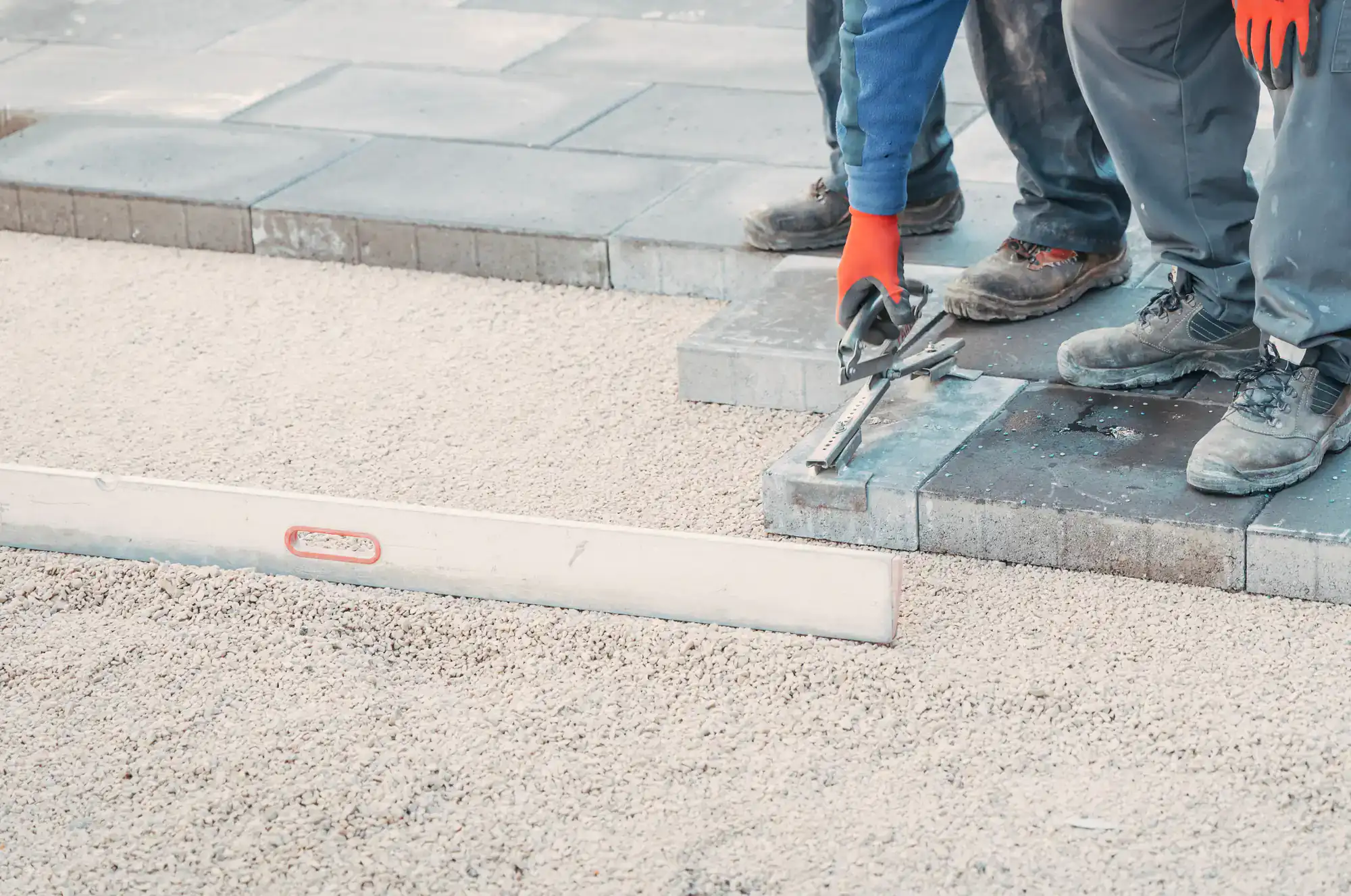
Workers installing pavers for a stone masonry project in Altamonte Springs, FL.

How Masonry Work Gets Done in Wekiwa Springs

No Surprises Here's Exactly What to Expect

It starts with a site visit. We look at what you’re dealing with cracking, spalling, efflorescence, failing mortar joints, a leaning retaining wall, whatever brought you here and we give you an honest assessment of what’s actually wrong and what it takes to fix it. If the damage is cosmetic, we’ll tell you. If it’s structural and needs a Seminole County building permit, we’ll tell you that too, and we’ll handle the filing. Permit review through the county typically runs 10 to 21 days depending on the project, so we factor that into the timeline upfront.

From there, you get a written estimate. Itemized, specific, no line item that says “miscellaneous.” Once you approve it, we schedule the work around the actual forecast not just a calendar date. In Wekiwa Springs, that matters. Fresh mortar that gets rained on before it cures can fail structurally, and we’re not going to let a summer storm undo a week’s worth of work. We tarp active areas, sequence projects around weather windows, and keep you updated on any timing adjustments before they become problems.

After the job is complete, we follow up. Not to sell you something else just to confirm the work held up the way it should and that you’re satisfied. If something needs attention, we want to know before you find out the hard way.

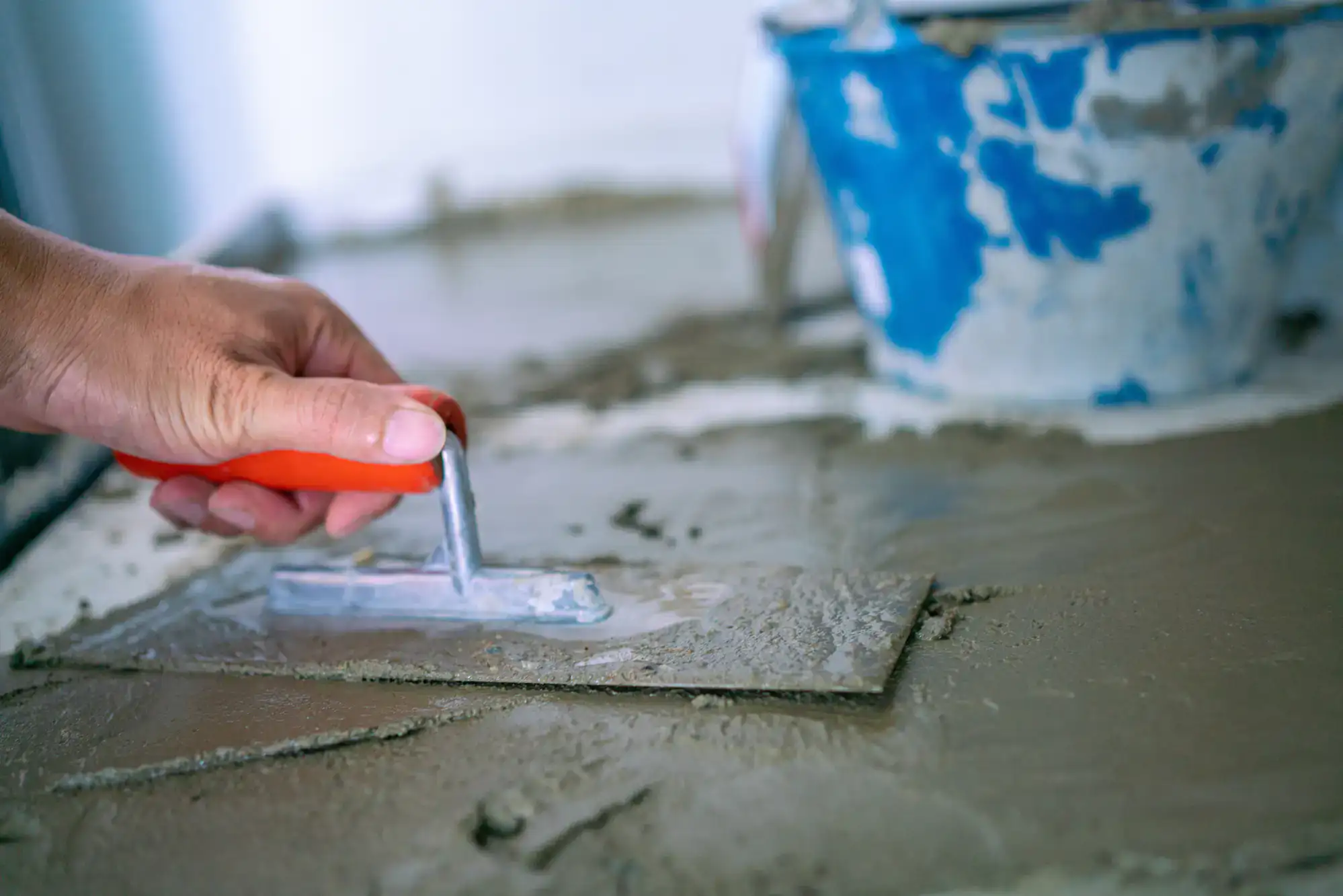
Trowel spreading concrete for masonry work in Altamonte Springs, FL.

Masonry Services for Wekiwa Springs Homeowners

Every Masonry Problem on Your Property, Handled

The masonry needs in Wekiwa Springs are specific to this community and the work we do reflects that. Tuckpointing and repointing are the most common requests we get from homeowners in the Sweetwater Oaks and Lake Brantley neighborhoods, where 1970s and ’80s brick and block construction has reached the point where mortar joints need professional attention. We match mortar in color, texture, and compressive strength to the existing material. The repair should blend in completely not look like someone patched it with whatever was on the truck.

Efflorescence is another frequent issue here. The white chalky deposits you see on block walls aren’t just cosmetic they’re evidence that moisture is moving through your masonry. Given Wekiwa Springs’s proximity to the Wekiva River watershed and Lake Brantley, ambient moisture levels in this community run higher than in drier parts of the metro. We don’t just clean the surface. We trace the moisture pathway, address the source, and restore the masonry so the problem doesn’t return with the next rainy season.

Beyond repair work, we handle retaining wall construction and rebuilding, chimney masonry, block wall repair, structural assessment after storm damage, and new masonry construction for residential and commercial properties throughout Seminole County. If it involves masonry, it’s in scope.

Masonry workers installing concrete pavers for a patio or walkway.

Does masonry repair in Wekiwa Springs require a Seminole County building permit?

It depends on the scope of the work. Cosmetic repairs tuckpointing, repointing mortar joints, efflorescence treatment, minor brick patching generally don’t require a permit. But structural masonry work does. That includes retaining walls above a certain height, block wall construction, chimney rebuilds, and any work that affects the structural elements of your home.

Because Wekiwa Springs is unincorporated Seminole County, there’s no city building department to deal with all permits are issued through the Seminole County Building Division in Sanford. Only state-licensed contractors can pull those permits, which is one of the most important reasons to verify licensing before hiring anyone. Unpermitted structural work can void your homeowner’s insurance coverage, create complications when you sell, and expose you to code enforcement action. We handle the permit process for every project that requires one, and we’ll tell you upfront whether your job falls into that category.

The white staining is called efflorescence, and it’s one of the most common masonry complaints in Central Florida especially in Wekiwa Springs where the Wekiva River watershed and proximity to Lake Brantley keep ambient moisture levels elevated year-round. What you’re seeing is salt residue left behind when water moves through the masonry and evaporates at the surface. On its own, it’s not an emergency. But it is a signal that moisture is actively moving through your block or brick, and that’s worth taking seriously.

Left untreated, that moisture movement can lead to surface scaling, spalling, and eventually structural compromise particularly in homes built in the 1970s and ’80s that have had decades of moisture cycling. The fix isn’t just cleaning the surface. It requires identifying where the moisture is entering, addressing that pathway, and restoring the masonry so the salt migration stops. If you’re seeing efflorescence on a wall that’s also showing cracks or soft spots, get it looked at sooner rather than later.

It affects them significantly if your contractor isn’t planning for it. From May through October, Wekiwa Springs gets near-daily afternoon thunderstorms, and fresh mortar that gets rained on before it reaches initial set can fail meaning the bond strength never develops properly. That’s not a minor quality issue. It’s a structural problem that won’t show up until months later when the repair starts to crack or separate.

The way we handle it is straightforward: we schedule work around actual forecast windows, not just calendar availability. We tarp and protect active areas when weather moves in unexpectedly, and we sequence larger projects so that critical mortar work happens during the drier morning hours. If a weather delay is going to push your timeline, you’ll hear about it from us before it happens not after you’ve been waiting a week wondering what’s going on. The dry season, roughly November through April, is the easiest window for larger masonry projects in this area, and if you’re planning something significant, booking early in that window is worth doing.

Tuckpointing typically runs $5 to $25 per square foot depending on the extent of joint deterioration, the height and accessibility of the wall, and the mortar matching required. For a standard residential project say, a section of exterior brick or block that needs repointing most jobs fall somewhere between $400 and $2,500. Larger projects or those requiring significant mortar color matching to aged Florida block can run higher.

What matters more than the per-square-foot number is getting a written estimate that specifies exactly what’s included. Verbal quotes in this industry have a habit of expanding by the time the invoice arrives. When you call us, we come out, assess the actual condition of your masonry, and give you an itemized written estimate before any work is scheduled. For Wekiwa Springs homeowners protecting properties valued at $450,000 or more, knowing exactly what you’re paying and why isn’t a luxury it’s the baseline expectation, and we meet it on every job.

Yes, and it’s more common in Wekiwa Springs than people realize. The community’s mature oak canopy one of the things that makes neighborhoods like Sweetwater Oaks genuinely beautiful also means that root systems have had 30 to 50 years to spread and grow. When those roots encounter a retaining wall, garden wall, or masonry edging, they don’t stop. They find the joints, expand with seasonal moisture changes, and over time can displace blocks, crack mortar, and compromise the structural integrity of the wall.

The signs to watch for are horizontal displacement where sections of a wall start to lean or bow outward and mortar joint cracking that follows a pattern consistent with lateral pressure rather than settlement. If you’re seeing either of those on a wall near a mature tree, it’s worth having it assessed. In some cases, the wall can be repointed and stabilized. In others, the affected section needs to be rebuilt with root barriers incorporated. We’ll tell you honestly which situation you’re in.

The most direct way is through the Florida Department of Business and Professional Regulation’s online license verification tool at myfloridalicense.com. Florida requires masonry contractors to hold a state Certificate of Competency, and you can search by contractor name or license number to confirm their status before signing anything. This matters more in Wekiwa Springs than in some other areas because the community is unincorporated Seminole County meaning all permitted structural masonry work requires a state-licensed contractor to pull the permit through the county’s Building Division. An unlicensed contractor can’t do that legally, which means any structural work they perform is unpermitted by default.

Beyond the license check, ask for proof of liability insurance and workers’ compensation before work begins. Ask for a written, itemized estimate not a verbal range. And pay attention to how they communicate from the first call. A contractor who goes quiet after taking a deposit is a pattern that shows up in reviews for a reason. The combination of verified licensing, written estimates, and consistent communication is what separates a contractor worth hiring from one you’ll be warning your neighbors about.

Other Services we provide in Wekiwa Springs