Masonry Contractor in Goldenrod, FL

Goldenrod's Concrete Block Homes Deserve More Than a Quick Fix

Written estimates, zero runaround, and masonry work built for Central Florida’s heat and rainy season not copied from a Northern playbook.
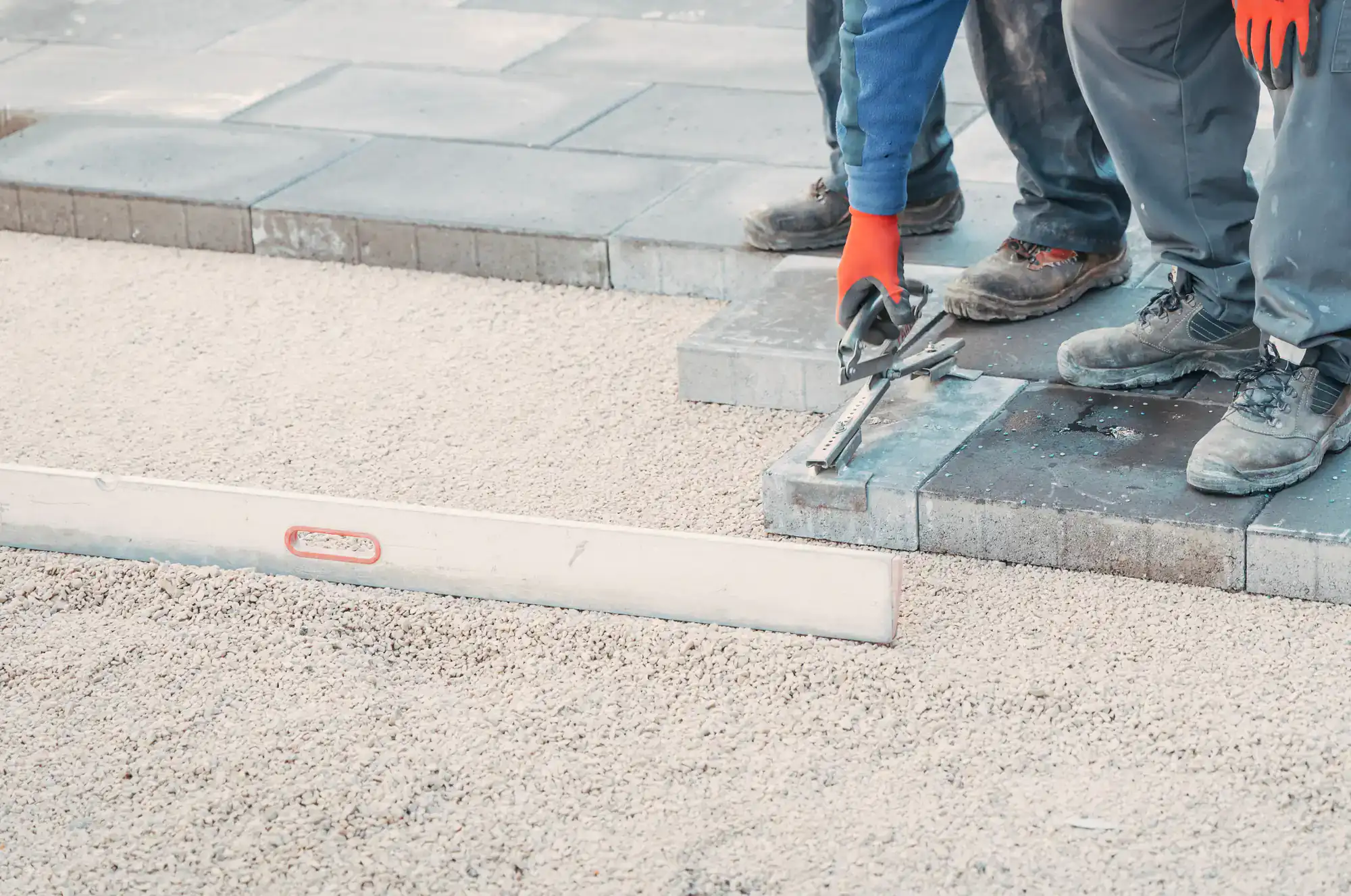
Workers installing pavers for a stone masonry project in Altamonte Springs, FL.

Hear From Our Clients

[Add Trustindex Slider Here]
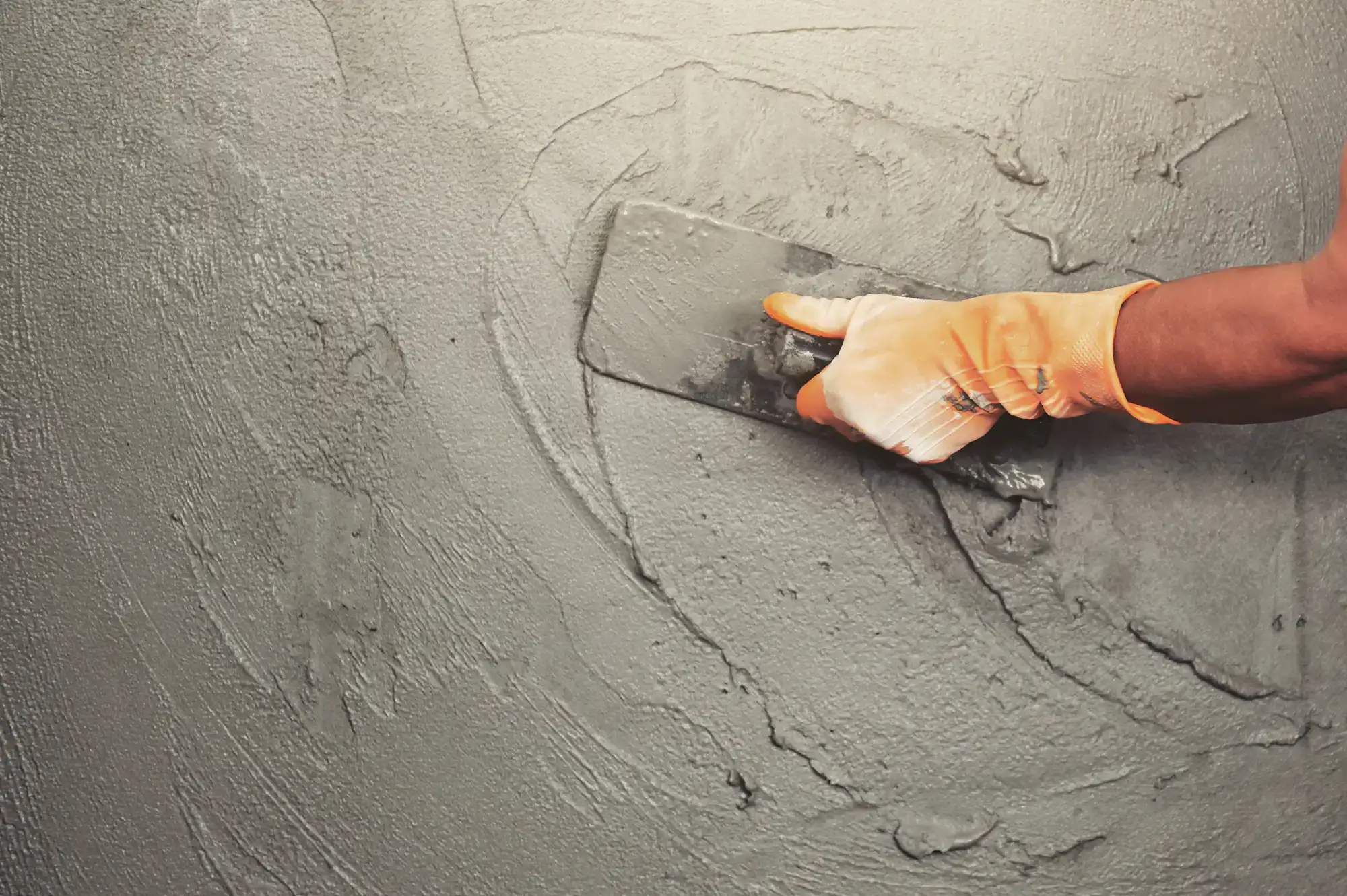
Person smoothing concrete surface with trowel for masonry work.

Masonry Repair in Goldenrod, FL

What Changes When the Work Is Actually Done Right

Most masonry problems in Goldenrod don’t announce themselves loudly. They start as a hairline crack in a mortar joint, a faint white stain creeping across a concrete block wall, or a section of stucco that sounds hollow when you knock on it. By the time it’s obvious, the damage has usually been compounding through several rainy seasons and what could have been a straightforward repair has quietly become something much more involved.

The homes in established Goldenrod neighborhoods like Goldenrod Villas were built predominantly with concrete block and stucco construction the standard for Central Florida mid-century building. That material is durable, but it’s not maintenance-free. Moisture cycles through the block during the rainy season, salt deposits build up at the surface, and mortar joints that were fine a decade ago start to soften and pull away. When that’s caught early and repaired correctly, the fix is clean and cost-effective. When it isn’t, you’re looking at water infiltration, structural softening, and repair costs that compound fast.

When the work is done right, you get a property that’s actually protected not just patched. Mortar that’s matched to your existing masonry so the repair doesn’t look like a repair. Block walls that aren’t quietly letting moisture in every time it rains on Aloma Avenue. And a clear, written record of exactly what was done and why, so you’re not guessing the next time someone asks about your home’s maintenance history.

Masonry Contractors Near Goldenrod, FL

We Know This Area's Buildings Not Just the Trade

We work throughout Central Florida, and Goldenrod is a market we understand specifically not just geographically, but structurally. The housing stock here ranges from 1920s bungalows near the community’s historic core to mid-century concrete block ranches to newer builds going up along the South Goldenrod Road corridor. Each of those property types has different masonry needs, different failure patterns, and different repair requirements. Knowing which is which before the first estimate is written is part of what separates a real masonry contractor from someone who just shows up with a trowel.

Goldenrod also straddles the Orange and Seminole county lines, which means permitting jurisdiction depends on your specific address. Some properties pull permits through Orange County’s Fast Track portal. Others fall under Seminole County’s building department. We know the difference, we handle the paperwork, and we make sure your project is permitted correctly because unpermitted masonry work can complicate insurance claims and create real problems if you ever sell the property.

Every project starts with a written, itemized estimate. No verbal ballparks. No scope creep. No invoice surprises at the end.

Masonry workers installing concrete pavers for a patio or walkway.

Masonry Work Process in Goldenrod, FL

From First Call to Final Walkthrough Here's What to Expect

It starts with a site visit. We come out, look at the actual condition of your masonry, and give you a written estimate that breaks down labor, materials, timeline, and scope before any commitment is made. If something needs a permit a masonry fence over six feet, a new concrete or paver installation we identify that upfront and handle the filing through the appropriate county portal, whether that’s Orange or Seminole depending on your address.

Once work begins, you’re not left guessing. Project tracking keeps you informed at each stage, which matters in a community where most residents are commuting out toward the UCF Research Park, Full Sail University, or downtown Orlando each day and can’t be on-site watching the crew. You’ll know when materials arrive, when each phase is complete, and when the job is wrapping up without having to chase anyone down for an update.

Scheduling also accounts for Goldenrod’s rainy season. Between May and October, afternoon thunderstorms are a near-daily reality, and any contractor who doesn’t plan around that is setting you up for delays and potentially exposing fresh mortar to rain before it cures. We build weather contingency into the schedule from the start, not as an afterthought. When the job is finished, a follow-up call confirms the work meets your expectations because the job isn’t done until you’ve actually seen it and signed off.

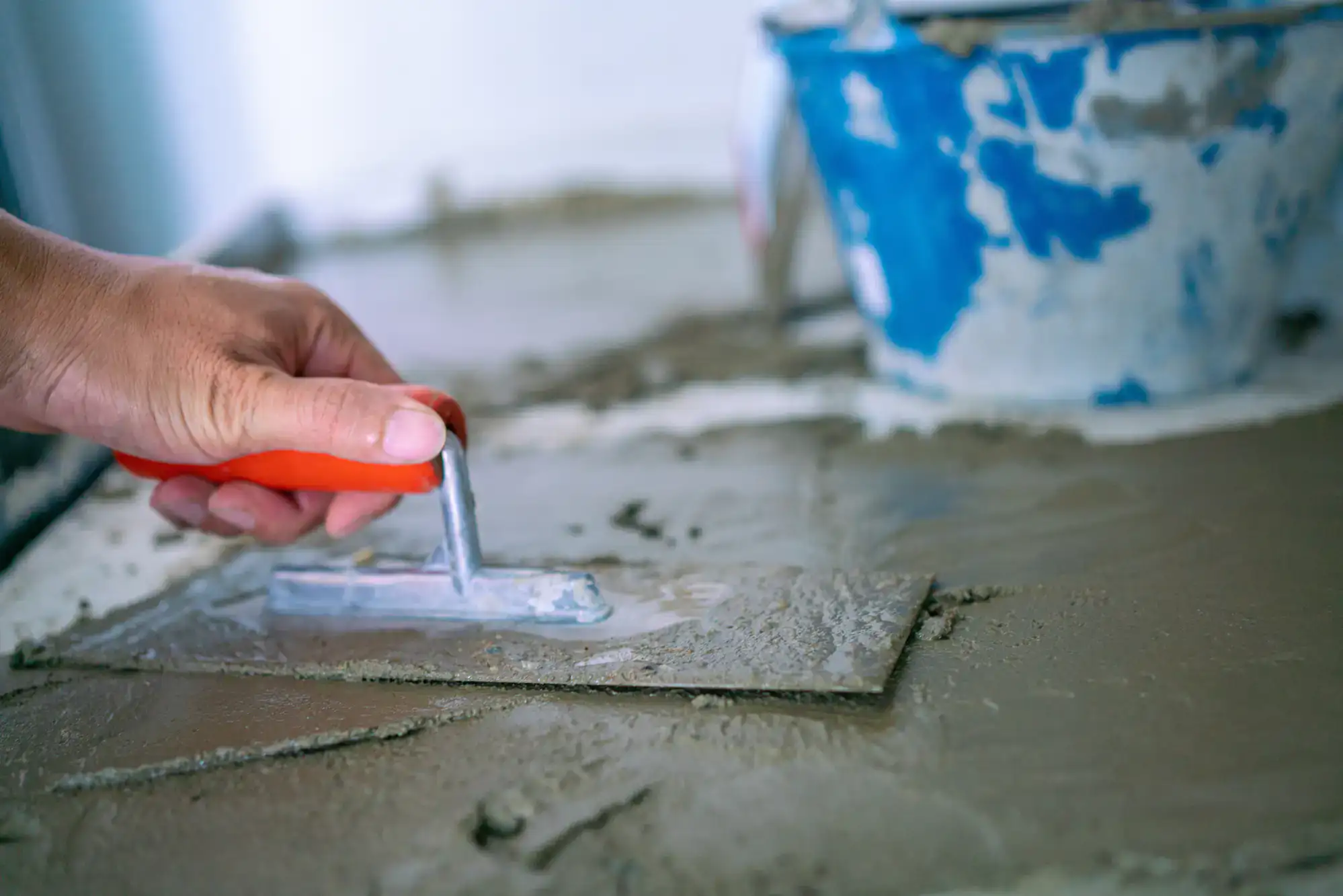
Worker smoothing freshly poured concrete with a trowel in construction site.

Masonry Construction Services in Goldenrod, FL

Every Masonry Need on Your Property, Handled by One Crew

We handle the full range of masonry work tuckpointing and repointing, concrete block repair, stucco interface restoration, retaining walls, brick repair, paver installation, and decorative masonry. For Goldenrod homeowners, that full-service capability matters because the properties here don’t have just one masonry issue. A home in Goldenrod Villas might need mortar joint repointing on the block walls, efflorescence treatment on the exterior, and a new paver walkway and coordinating three separate contractors for one property is a logistics headache nobody has time for.

The mortar mixes and techniques we use are calibrated for Central Florida’s climate specifically. That means mixes that cure correctly in 90-plus-degree heat and high humidity, not mixes designed for Northern freeze-thaw conditions that have no relevance here. It also means understanding that the failure mechanisms on a Goldenrod concrete block home thermal expansion, moisture cycling, UV degradation are entirely different from what drives masonry failure in colder climates. Using the wrong approach for this environment produces repairs that look fine in November and start failing by the following summer.

For properties along the newer South Goldenrod Road development corridor, we also handle new masonry installation retaining walls, paver driveways, decorative stonework with the same written estimate and permit-first process. Whether your property is a 1960s concrete block ranch or a recently built townhome, the process and the standard are the same.

Trowel spreading concrete for masonry work in Altamonte Springs, FL.

Do I need a permit for masonry work on my Goldenrod property?

It depends on the type of work and which county your address falls under. Goldenrod is unincorporated and straddles the Orange and Seminole county lines, so the permitting jurisdiction isn’t the same for every property in the community. In the Orange County portion of Goldenrod which covers the majority of the CDP masonry fences over six feet in height require a building permit, and any concrete pouring or paver installation requires at least a zoning permit through Orange County’s Fast Track Online Services portal. Structural masonry repair and new masonry construction also typically require permits and a licensed contractor to pull them.

If your address falls in the Seminole County portion of Goldenrod, the same general rules apply but through a different building department and portal. The practical takeaway is that if you’re doing anything beyond minor cosmetic repair, a permit is likely required and unpermitted masonry work can create real problems when you file an insurance claim or list the property for sale. We identify the permitting requirements for your specific address at the estimate stage and handle the filing, so you’re not navigating two county systems on your own.

The most common signs are visible but easy to dismiss as cosmetic. White or chalky deposits on the surface of your block or brick called efflorescence mean moisture is moving through the masonry and depositing mineral salts as it evaporates. That’s not just a stain; it’s evidence that water is getting in somewhere. Hairline cracks along mortar joints, mortar that crumbles or flakes when you press it, and stucco that sounds hollow when tapped are all indicators that the masonry system is compromised.

In Goldenrod’s climate, these issues tend to worsen faster than homeowners expect. The rainy season runs from May through October, and during that window, moisture is cycling through concrete block walls repeatedly. A crack that looks minor in April has been penetrated by rainfall dozens of times before October arrives. The longer it sits, the more the mortar softens and the more water finds its way into the block itself. The honest answer is that if you’re noticing any of these signs, getting an assessment sooner rather than later almost always results in a less expensive repair than waiting until the damage is more visible.

Repointing is the process of removing deteriorated mortar from the joints between masonry units brick, block, or stone and replacing it with fresh mortar. It’s the standard repair for joints that have softened, cracked, or pulled away from the masonry. Tuckpointing is a specific technique that uses two different colors of mortar to create the visual impression of very fine, precise joints. It’s more of a finish technique than a structural repair method, though the terms are often used interchangeably.

For most Goldenrod homeowners dealing with concrete block and stucco construction, repointing is the relevant service. The mortar joints on CMU walls deteriorate over time due to moisture, heat, and UV exposure not freeze-thaw cycling, which isn’t a factor in Central Florida. The repair involves carefully removing the damaged mortar to the correct depth, matching the replacement mortar to the existing color and texture, and packing the joint properly so it bonds and seals correctly. Done right, a repointed wall looks like it was never touched. Done poorly with the wrong mortar mix or inadequate joint preparation it fails within a season or two and needs to be done again.

It affects it significantly, and any contractor who doesn’t account for it upfront is setting you up for frustration. Florida’s rainy season runs from May through October, and in the Goldenrod area, that means near-daily afternoon thunderstorms during peak summer months. Fresh mortar that gets rained on before it’s had adequate time to cure can wash out, weaken, or bond improperly which means the repair fails faster than it should.

The way to handle this isn’t to avoid summer work entirely. It’s to plan around it. That means scheduling work earlier in the day when possible, having protective coverings ready for active jobs, and building contingency days into the project timeline from the start rather than treating rain delays as surprises. It also means being honest with you about realistic completion windows. A project that starts in late June without a weather plan can easily stretch into September. We build the rainy season into our scheduling from the first conversation, so you know what to expect before work begins not after the first delay.

Mortar color and texture matching is something we take seriously, especially for the older housing stock in Goldenrod. The community has homes dating back to the 1920s, and a significant portion of the established neighborhoods feature mid-century concrete block construction where the original mortar has a specific color, texture, and profile. A bright white repair stripe running across a 50-year-old block wall doesn’t just look wrong it signals that whoever did the work didn’t care enough to get it right.

Matching mortar involves more than picking a color from a chart. The aggregate size, the mix composition, the joint profile, and the finish all affect how closely the repair blends with the existing masonry. We assess the existing mortar before ordering materials and work to match it as closely as possible so the repair integrates with the wall rather than advertising itself. For homes in Goldenrod Villas or other established neighborhoods where curb appeal affects property value, getting the color match right is part of protecting your investment, not just a cosmetic detail.

The honest answer is that it varies enough that a range without context isn’t particularly useful. A straightforward repointing job on a section of concrete block wall might run a few hundred dollars. A full mortar joint restoration on a larger structure, a retaining wall rebuild, or a project that requires permitting through Orange County or Seminole County will cost more sometimes significantly more depending on scope and access.

What we can tell you is that every project starts with a written, itemized estimate that breaks down exactly what you’re paying for before any work begins. Labor typically drives the majority of masonry repair costs materials are a smaller portion of the total which is why the skill and technique of the crew doing the work matters more than the cost of the mortar bag. In Goldenrod specifically, where a lot of the housing stock is concrete block construction that requires specific diagnostic knowledge to assess correctly, getting the scope right at the estimate stage is what prevents a straightforward repair from turning into a larger project mid-job. We’d rather spend the time upfront getting the estimate accurate than hand you a surprise invoice at the end.

Other Services we provide in Goldenrod