Masonry Contractor in Astatula, FL

Old Florida Homes, Canal Walls, and the Masonry Work They Actually Need

Astatula’s mix of aging rural properties and brand-new Tula Parc builds means masonry needs here aren’t one-size-fits-all and a contractor who treats them that way will cost you more in the long run.
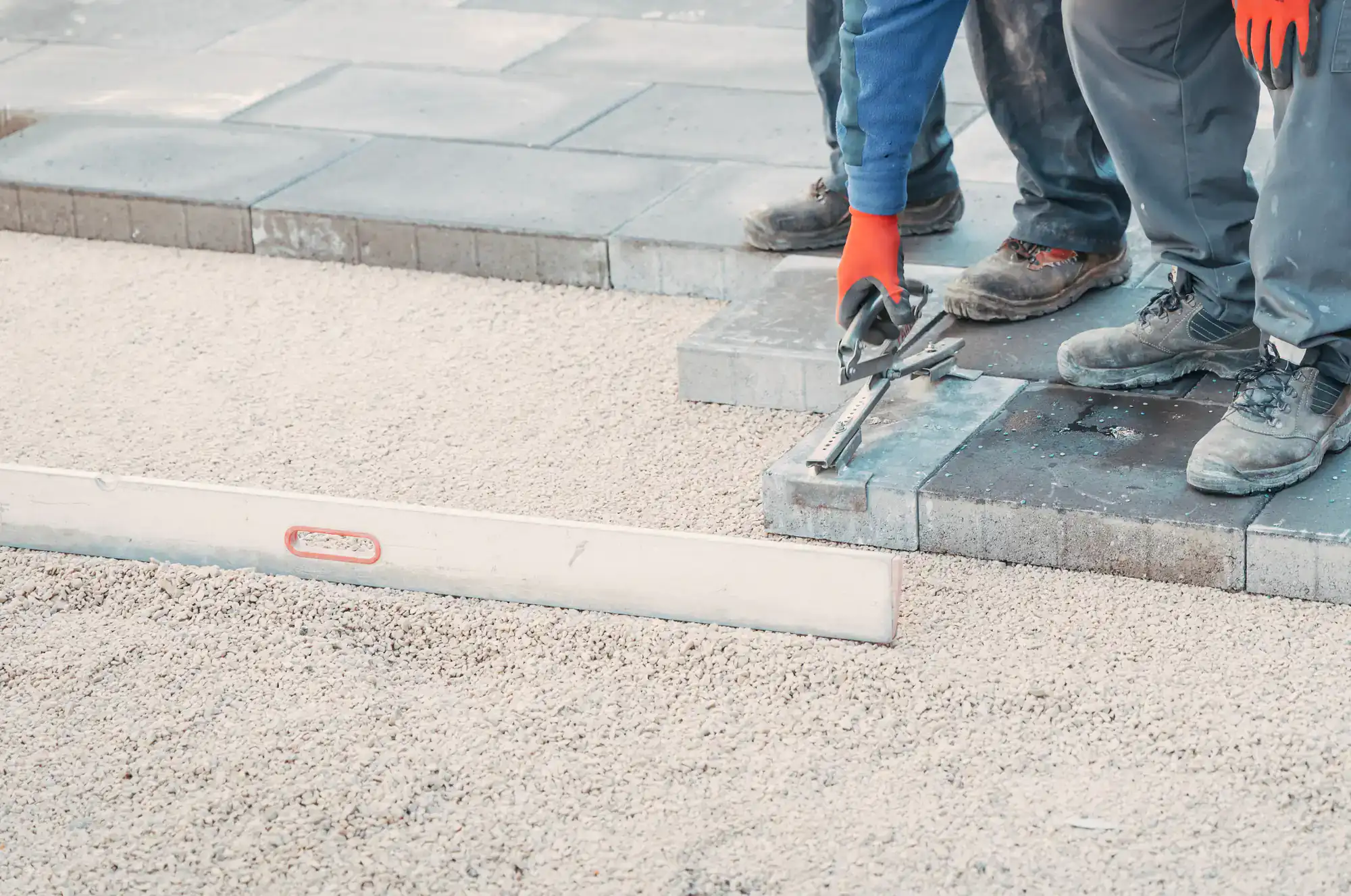
Workers installing pavers for a stone masonry project in Altamonte Springs, FL.

Hear From Our Clients

[Add Trustindex Slider Here]
Worker smoothing freshly poured concrete with a trowel in construction site.

Masonry Repair Near Astatula, FL

What Changes When the Right Masonry Work Gets Done

A cracked retaining wall along a Little Lake Harris canal isn’t just an eyesore. Left alone through one more rainy season, it’s a structural failure waiting to happen and in Astatula, where properties on the north side sit against active canal systems, that’s not a hypothetical. When the masonry is done right, the wall holds, the drainage works, and you’re not looking at a full rebuild two years from now.

For the older ranch-style and block-foundation homes that make up most of Astatula’s established neighborhoods, the same logic applies. Mortar joints that have been cycling through 30-plus years of Lake County heat and humidity don’t fail all at once they erode slowly, let moisture in quietly, and eventually turn a $600 tuckpointing job into a $5,000 wall replacement. Catching it early, with a contractor who actually knows what they’re looking at, is what saves you money here.

And for the newer homeowners coming into Tula Parc and Stillwater Cove, the outcome is different but just as real. A properly built retaining wall or paver feature adds value, holds up through Florida’s storm season, and doesn’t need to be redone in three years because someone cut corners on the footing or used the wrong mortar mix for Central Florida’s soil conditions.

Masonry Contractors Serving Lake County, FL

Licensed, Local, and Straight With You From the First Call

We serve homeowners across Central Florida, including Astatula and the broader Lake County area. Our work covers everything from tuckpointing and block foundation repair to retaining walls, brick features, and full masonry construction so you’re not coordinating three different contractors for one property.

Lake County requires masonry contractors to hold a Certificate of Competency to legally pull permits and perform licensed work. We carry the credentials, liability insurance, and workers’ compensation coverage that Lake County requires. That matters when you’re dealing with the Town of Astatula’s own building department because unpermitted masonry work on a canal-front property or a new subdivision home isn’t just a code issue, it’s a problem that follows you when you go to sell.

What you’ll notice from the first conversation is that we provide pricing in writing before anything starts. No verbal estimates, no surprise add-ons, no “we found more once we opened it up” calls mid-project.

Masonry workers installing concrete pavers for a patio or walkway.

How Masonry Work Gets Done in Astatula

From First Look to Finished Work Here's the Honest Walkthrough

It starts with an assessment. Before anything is quoted, we look at the masonry closely not just the surface, but what’s behind it. A crack in a block foundation near a canal-adjacent property in Astatula tells a different story than a crack in an inland wall. Hydrostatic pressure, moisture migration, and soil conditions near Little Lake Harris all factor into what the repair actually needs to be, versus what it looks like from the outside.

Once the scope is clear, you get a written estimate. Itemized, specific, and fixed before work begins. If something comes up during the job that changes the scope, we tell you about it before it changes the cost not after.

Scheduling in Astatula accounts for Lake County’s rainy season. From May through October, afternoon storms are a near-daily reality, and fresh mortar doesn’t survive a downpour. We plan projects around that window, with protective measures built into the schedule so a summer storm doesn’t set the job back or compromise the work. After the project wraps, you’ll get a follow-up call not to upsell you on something else, but to confirm the work held up and you’re satisfied with how it was done.

Person smoothing concrete surface with trowel for masonry work.

Masonry Work and Construction in Astatula, FL

Every Masonry Service Astatula Properties Actually Call For

The masonry needs in Astatula run a wider range than most people expect. On the older properties the ranch homes and manufactured houses on block piers that were built in the 1970s through the 1990s the most common needs are tuckpointing, mortar joint repair, and block foundation work. These structures have been through decades of Lake County humidity, and the mortar is showing it. We do repointing with matched mortar not just matched in strength, but matched in color and texture so the repair doesn’t look like a patch job from the street.

For canal-front and waterfront-adjacent properties on the north side of town, retaining wall repair and reconstruction is its own category. These walls manage hydrostatic pressure from saturated soil while staying exposed to constant moisture from the canal side. Our approach involves proper drainage design, correct footing depth for Lake County’s soil profile, and masonry mixes suited to continuous moisture exposure not a standard residential wall build.

New construction masonry for Tula Parc and Stillwater Cove homeowners covers retaining walls, paver patios, decorative brick features, mailbox construction, and landscape borders. For any project that requires a permit through the Town of Astatula’s building department, we have the licensing in place to pull it legally and see it through inspection.

Trowel spreading concrete for masonry work in Altamonte Springs, FL.

Does masonry work in Astatula, FL require a permit or licensed contractor?

It depends on the scope of the work, but for most structural masonry projects in Astatula retaining walls, foundation repair, new masonry construction yes, a permit is required. The Town of Astatula has its own building department, and any permitted masonry work must be performed by a contractor who holds a State of Florida Certificate of Competency or is State Registered through Lake County. This isn’t a technicality. It’s the mechanism that allows work to be legally inspected and certified, and it’s what protects you if the work is ever questioned during a home sale or insurance claim.

Hiring an unlicensed contractor because their quote was lower removes all of that protection. If the work fails, there’s no license board to file a complaint with, no insurance coverage to draw on, and no permit record on file. For a canal-front property or a newer home in Tula Parc where masonry is tied to drainage and structural integrity, that’s a real risk.

The range is wide because masonry repair covers a lot of ground. Basic tuckpointing and mortar joint repointing on an older block foundation in Astatula might run $400 to $900 depending on the linear footage and how far the deterioration has progressed. A retaining wall repair especially on a canal-adjacent property where drainage and hydrostatic pressure are factors can range from $1,500 to $6,000 or more depending on wall length, footing condition, and whether the drainage system needs to be corrected alongside the masonry.

What drives cost up most often is delay. A mortar joint that gets repaired when it first shows wear is a straightforward job. The same joint, left through two or three more rainy seasons, allows moisture to infiltrate the wall system, which can mean replacing full sections rather than repointing. In Astatula, where the cost of living runs well below the Florida average and most homeowners are managing real budgets, catching the problem early is almost always the more affordable path.

The biggest driver is moisture and Astatula gets a lot of it. Lake County’s rainy season runs May through October and delivers roughly 60 to 70 percent of the year’s total rainfall in that window. That consistent moisture exposure accelerates the breakdown of mortar joints, promotes efflorescence (the white salt deposits you see creeping across block foundations and brick walls), and creates conditions for biological growth that eats into masonry surfaces over time.

Unlike Northern states where freeze-thaw cycles cause dramatic cracking, Florida’s masonry deterioration is slower and quieter which is partly why homeowners miss it until it’s already a significant problem. The thermal cycling from Lake County’s summer heat causes masonry materials to expand and contract repeatedly, which gradually weakens mortar bonds. For canal-front properties on the north side of Astatula, add constant moisture exposure from the Little Lake Harris canal system and you have an environment that’s genuinely harder on masonry than most inland Florida locations.

A few things to look for: horizontal cracking along a retaining wall is more serious than vertical cracking it often signals that the wall is bowing under lateral soil pressure, which is a structural issue, not a surface one. Leaning or tilting, even slight, means the footing or drainage system may be compromised. Bulging sections, gaps where the wall meets adjacent structures, and visible separation between masonry units all indicate that repair may not be sufficient.

For canal-adjacent properties in Astatula specifically, the stakes are higher because a failing retaining wall along a canal bank can accelerate soil erosion and create a larger problem than the wall itself. If you’re seeing any of those warning signs especially after a significant storm or a period of heavy rainfall it’s worth having it assessed before the next rainy season arrives. A proper assessment looks at the footing, the drainage behind the wall, and the soil conditions, not just the visible surface. That’s what determines whether you’re looking at targeted repair or a full rebuild.

Tuckpointing is the process of removing deteriorated mortar from the joints between masonry units brick, block, or stone and replacing it with fresh mortar that matches the original in composition, color, and texture. It’s not a cosmetic fix. Mortar joints are the primary defense against water infiltration in any masonry wall, and when they erode, moisture gets in. In Astatula’s humid subtropical climate, that moisture doesn’t evaporate quickly it migrates through the wall, causes internal damage, and eventually compromises the structural integrity of the masonry.

Whether your home needs it depends on the age of the masonry and what it looks like up close. If the mortar is recessed more than a quarter inch from the face of the brick or block, crumbling when you press it, or showing visible gaps, it’s time. Most of Astatula’s established homes the ranch-style and block-foundation properties built in the 1970s through 1990s are in the range where mortar joints are due for attention. Catching it before the joints fail completely keeps the project straightforward and the cost manageable.

Yes. New homeowners in Tula Parc and Stillwater Cove frequently find that the standard new-home build doesn’t include the outdoor masonry features they want retaining walls for sloped lots, paver patios, brick mailboxes, decorative stone borders, or landscape masonry that ties the exterior together. These are add-ons that most production builders don’t include, and they’re also the features that tend to get skipped and then regretted a year or two into ownership.

For new construction masonry in Astatula, the process starts with a written estimate and a clear scope before anything is built. We select materials for Lake County’s soil and moisture conditions not just for appearance and any work that requires a permit through the Town of Astatula’s building department is handled with the proper licensing in place. If you’re new to the area and new to working with masonry contractors, our project tracking and follow-up process means you’re not left guessing about where things stand from start to finish.

Other Services we provide in Astatula