Masonry Contractor in Apopka, FL

Built for Apopka's Rain, Heat, and 25-Year-Old Walls

When your masonry starts showing its age or the rainy season finds every crack it can you need a masonry contractor in Apopka who actually knows what they’re walking into.
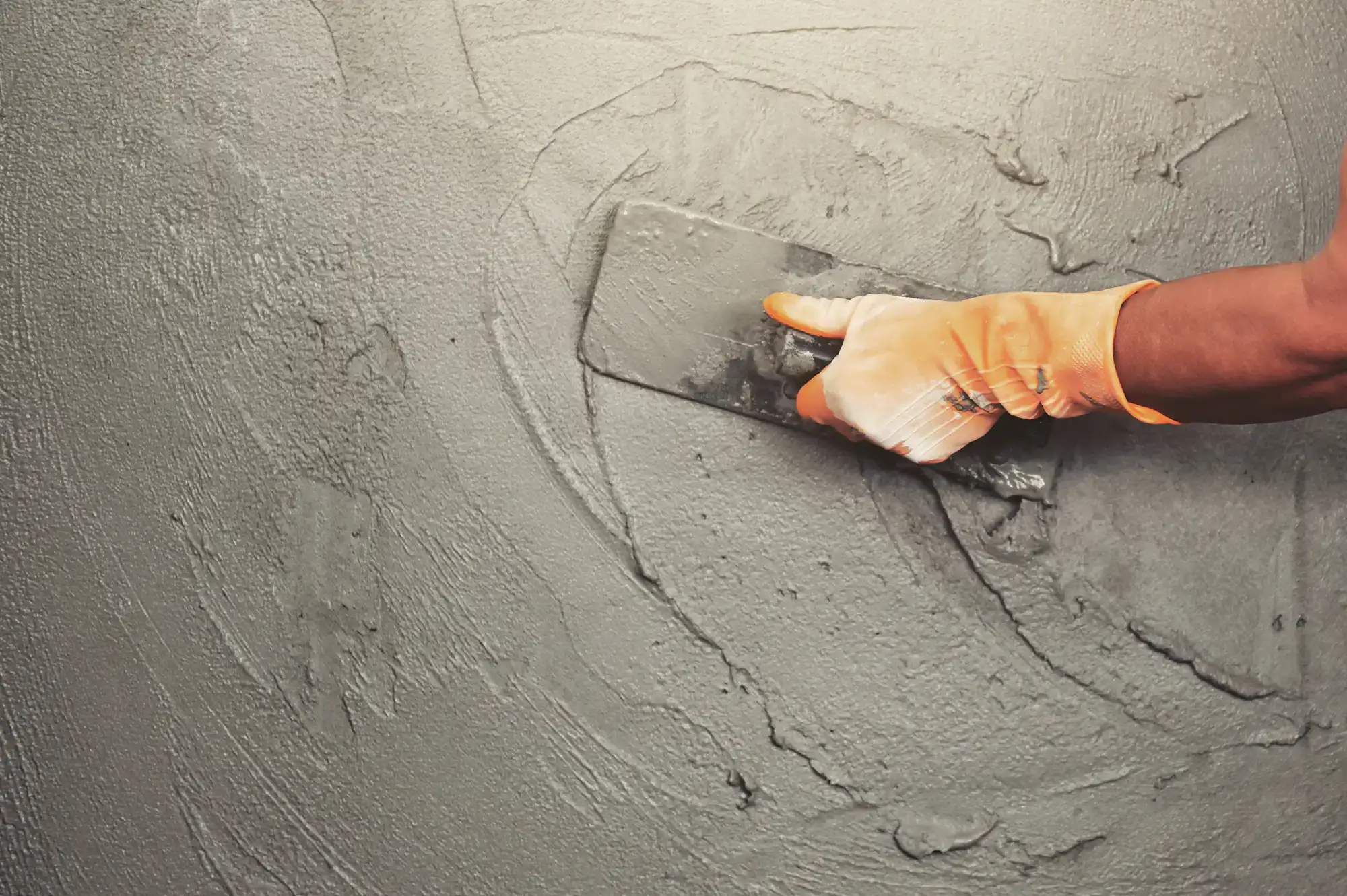
Person smoothing concrete surface with trowel for masonry work.

Hear From Our Clients

[Add Trustindex Slider Here]
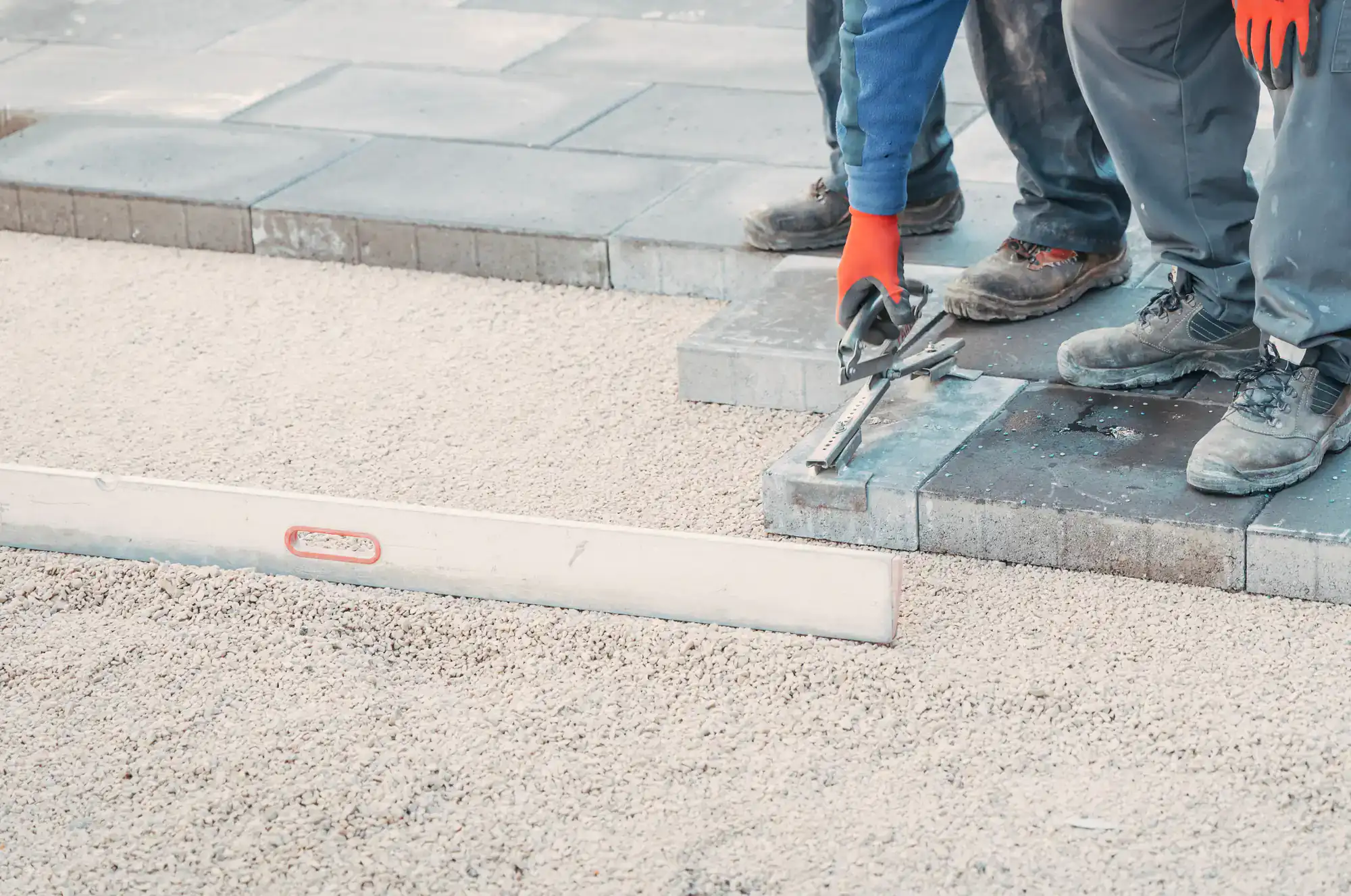
Workers installing pavers for a stone masonry project in Altamonte Springs, FL.

Masonry Repair Near Apopka, FL

What Solid Masonry Actually Means Here

Apopka gets 53 inches of rain a year. August alone brings rain on roughly 22 out of 31 days. That’s not a minor inconvenience it’s a constant source of pressure on every mortar joint, block wall, and brick surface on your property. A small crack that looks cosmetic in April is an active water infiltration point by July. Left alone, it doesn’t stay small.

Communities like Rock Springs Ridge and Errol Estate were built mostly between 1998 and 2006. That puts a lot of Apopka homes right at the 20-to-25-year mark which is exactly when mortar joints start to go. Not because anything was done wrong, but because that’s just how masonry ages, especially in a climate that cycles between 95-degree heat and daily afternoon downpours for six months straight.

When the work is done right, you stop worrying about it. Water stays out. Walls hold. The repair blends in instead of advertising itself with mismatched mortar. And you’re not calling someone back six months later because the patch failed. That’s the actual outcome not just fixed masonry, but masonry you don’t have to think about again.

Masonry Company Near Apopka, FL

We Know What Apopka's Climate Does to Masonry

We serve homeowners, property managers, and businesses across northwest Orange County including Apopka and the surrounding communities of Clarcona, Zellwood, South Apopka, and Tangerine. This isn’t a metro-wide service claim. We know the roads, the neighborhoods, and the permitting process specific to this area.

The City of Apopka runs its own building permitting portal separate from Orange County’s system and we know how to navigate it. That matters when your project needs a permit pulled correctly the first time, without delays from filing with the wrong jurisdiction.

What sets us apart isn’t a tagline. It’s the way we work: written estimates before anything starts, real-time project tracking so you’re never left guessing, and a follow-up call after the job is done. In a market with over 170 listed masonry providers for this area, the ones who communicate are the ones worth hiring.

Masonry workers installing concrete pavers for a patio or walkway.

Masonry Construction Process in Apopka

No Surprises Here's How Your Project Actually Goes

It starts with a straightforward assessment of what you’re dealing with the scope of the damage or the build, the materials involved, and what the repair or construction will actually require. From there, you get a written, itemized estimate. Every line item is explained. There’s no verbal-only quote that shifts when the invoice arrives.

Once work begins, you have visibility into where things stand through project tracking. Apopka’s rainy season runs from May through October, and if weather affects your timeline, you’ll hear from us not find out when someone doesn’t show up. We build weather contingency into the plan from the start, which is something most contractors don’t bring up until it becomes a problem. For masonry work done during Apopka’s summer months, our crews also manage mortar hydration carefully in the heat because at 90-plus degrees with high humidity, fresh mortar can set too fast and lose the bond strength that makes the work last.

After the job is complete, we follow up. Not because it’s a policy that sounds good on a website, but because we want to know if anything needs attention. Most contractors are gone the day the invoice is paid. We’re not built that way.

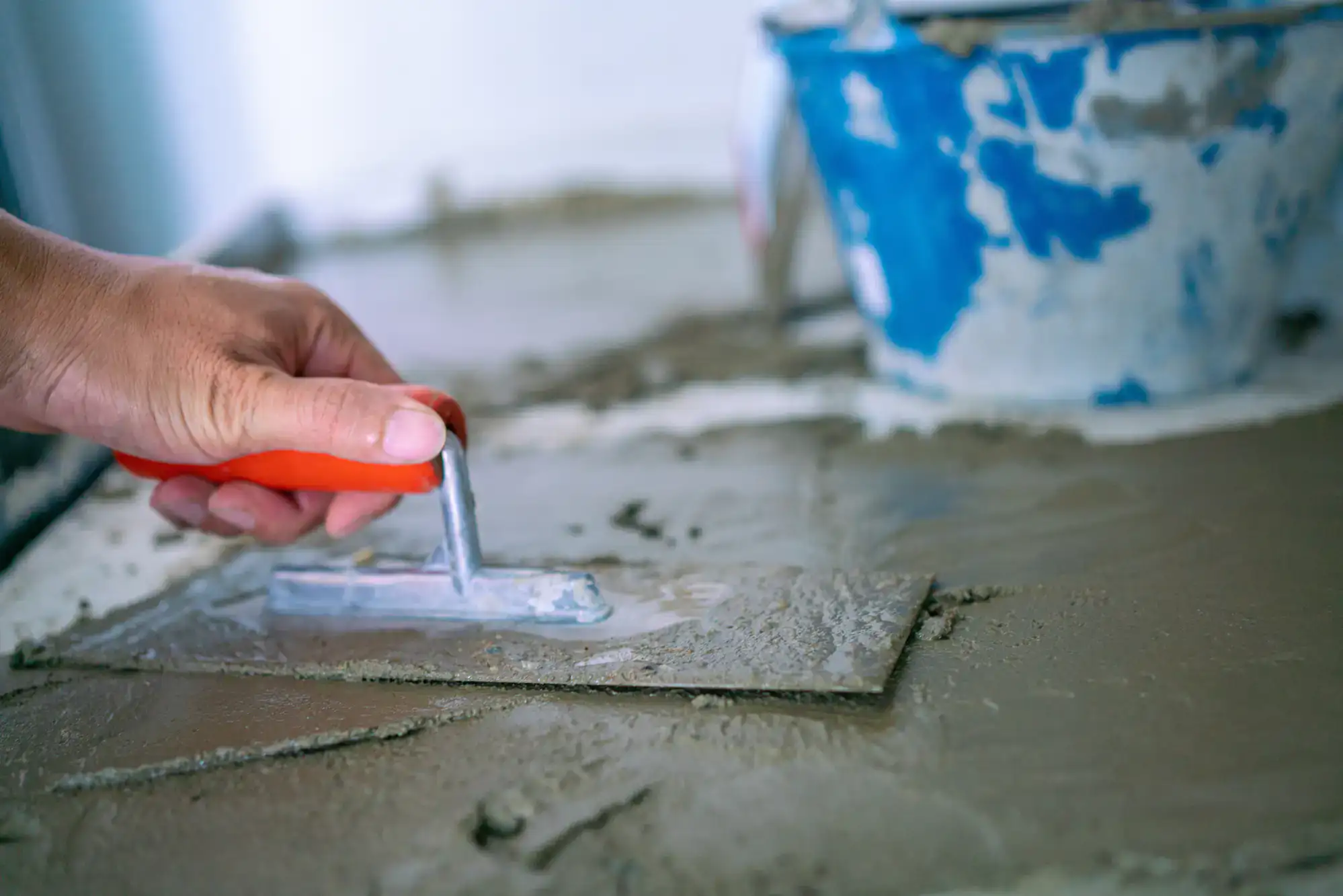
Worker smoothing freshly poured concrete with a trowel in construction site.

Masonry Work and Tuckpointing in Apopka

Every Masonry Need in Apopka, Handled in One Call

We handle the full range of masonry work tuckpointing and repointing, brick repair, block wall construction and repair, stone veneer, retaining walls, custom patios, and chimney repair. If it involves masonry, we do it. You’re not coordinating three different contractors for one property.

Tuckpointing is one of the most common needs for Apopka homeowners right now, especially in the established subdivisions along the SR 429 corridor. Homes built in the late 1990s and early 2000s are reaching the age where mortar joints need attention and in Apopka’s humidity, waiting another season isn’t a neutral decision. We match mortar to your existing masonry in strength, color, and texture. The goal is a repair that’s invisible, not one that draws attention to itself every time someone walks up your driveway.

For commercial clients near the US 441 corridor, the AdventHealth Apopka campus, or the agricultural and greenhouse facilities that make Apopka the Indoor Foliage Capital of the World, we handle commercial-scale masonry work with the same documented process and transparent pricing. Property managers overseeing multiple buildings especially benefit from having one licensed, insured masonry contractor who handles everything and communicates clearly throughout no chasing, no surprises.

Trowel spreading concrete for masonry work in Altamonte Springs, FL.

Do I need a permit for masonry work on my Apopka property?

It depends on the scope of the work. Cosmetic repairs like tuckpointing or patching a small section of brick generally don’t require a permit. Structural work retaining walls above a certain height, new block wall construction, or anything that affects the structural integrity of a building typically does require one in Apopka.

What’s important to know is that the City of Apopka operates its own permitting portal, separate from Orange County’s system. If your property is within Apopka’s city limits, your permit goes through the city’s OpenGov platform not Orange County’s Fast Track system. Filing with the wrong jurisdiction delays everything. Florida also requires a licensed masonry contractor to pull permits for most structural masonry work, which means hiring an unlicensed contractor doesn’t just create a quality risk it can make the work unpermittable and potentially affect your homeowners insurance coverage.

For most residential tuckpointing jobs in Apopka, you’re generally looking at somewhere between $400 and $2,500 depending on the extent of the deterioration and how much linear footage of mortar joint needs to be addressed. More significant spalling brick repair or larger wall sections can run $1,000 to $3,500 or more. Masonry is a labor-intensive trade 80 to 90 percent of most project costs is skilled labor, not materials.

What drives cost up most often is deferred maintenance. A mortar joint that gets addressed early is a straightforward repair. One that’s been letting water in through multiple rainy seasons in Apopka tends to involve more underlying damage by the time someone calls. The most reliable way to get an accurate number is a written, itemized estimate that breaks down exactly what’s included. That’s how we quote every job, so you know what you’re paying for before anything starts.

This is one of the most important questions Apopka homeowners can ask and most don’t think to ask it until there’s a problem. In a city that sees rain on roughly 22 days in August alone, weather is not an edge case. It’s part of every project timeline from May through October.

The short answer is that fresh mortar needs protection from rain for at least 24 to 48 hours after placement, and active masonry work generally can’t proceed during rainfall. A contractor who doesn’t plan for this will leave you with stalled projects, exposed work, and no clear communication about when things will resume. We build weather contingency into the project plan from the start not as a disclaimer, but as an actual scheduling and protection strategy. Active work gets covered. Delays get communicated. You’re not left wondering what’s happening to your property while a tarp sits on it for two weeks.

The most obvious sign is visible deterioration mortar that looks recessed, crumbly, or has gaps where it used to be solid. But there are subtler indicators worth paying attention to: white chalky deposits on your brick or block (called efflorescence) are a sign that water is moving through the masonry and carrying mineral salts to the surface. Staining patterns around joints after rain, soft or hollow-sounding spots when you tap the wall, and any visible cracking along mortar lines are all worth having looked at.

For homes in Rock Springs Ridge, Errol Estate, and similar Apopka communities built in the late 1990s to mid-2000s, the 20-to-25-year mark is a natural inflection point for mortar maintenance even if nothing looks obviously wrong yet. Apopka’s combination of heat, humidity, and heavy rainfall accelerates the normal aging process. Catching it before the joints fail completely is significantly less expensive than addressing it after water has been getting in for a season or two.

Yes and this matters more than most homeowners realize when they’re comparing quotes. Florida requires masonry contractors to hold a State Certificate of Competency to legally pull permits for masonry work. That credential is verifiable through the Florida Department of Business and Professional Regulation, and any legitimate contractor should be willing to give you their license number before you ask for it.

Hiring an unlicensed contractor in Apopka creates a few specific risks. First, they can’t legally pull permits for structural work, which means the project can’t be inspected or documented. Second, unpermitted work can create complications when you sell your home or file an insurance claim. Third, if a worker is injured on your property and the contractor doesn’t carry workers’ compensation insurance which unlicensed operators often don’t you could be exposed to liability. We are fully licensed and insured, and that documentation is available upfront.

Honestly, yes and it’s worth knowing this before you book. Apopka’s dry season runs roughly from November through April, with December being the driest month at around 1.8 inches of rain over about seven days. Scheduling masonry work during this window means better curing conditions for mortar, fewer weather delays, and a more predictable timeline overall.

That said, masonry work can absolutely be done during Apopka’s rainy season it just requires more active planning around the weather. The bigger issue during summer months is the heat itself: temperatures regularly hit 90 to 95 degrees from June through September, and at that point, fresh mortar can flash-set if it’s not managed carefully. That’s a real technical concern, not a minor inconvenience mortar that sets too fast loses bond strength. Contractors who understand Apopka’s climate account for this by managing hydration, timing pours strategically, and protecting fresh work from both rain and direct afternoon heat. If you’re planning a project and have flexibility on timing, the dry season is the easier path. If you need work done now, it’s still doable it just takes a contractor who knows what they’re working with.

Other Services we provide in Apopka