Epoxy Flooring in Pine Hills, FL

Pine Hills Floors That Outlast Florida's Worst Humidity

Most epoxy jobs in Central Florida fail within two years not because of the product, but because of what the contractor skipped. We install epoxy flooring in Pine Hills built to handle the moisture, the heat, and the daily use your floor actually sees.
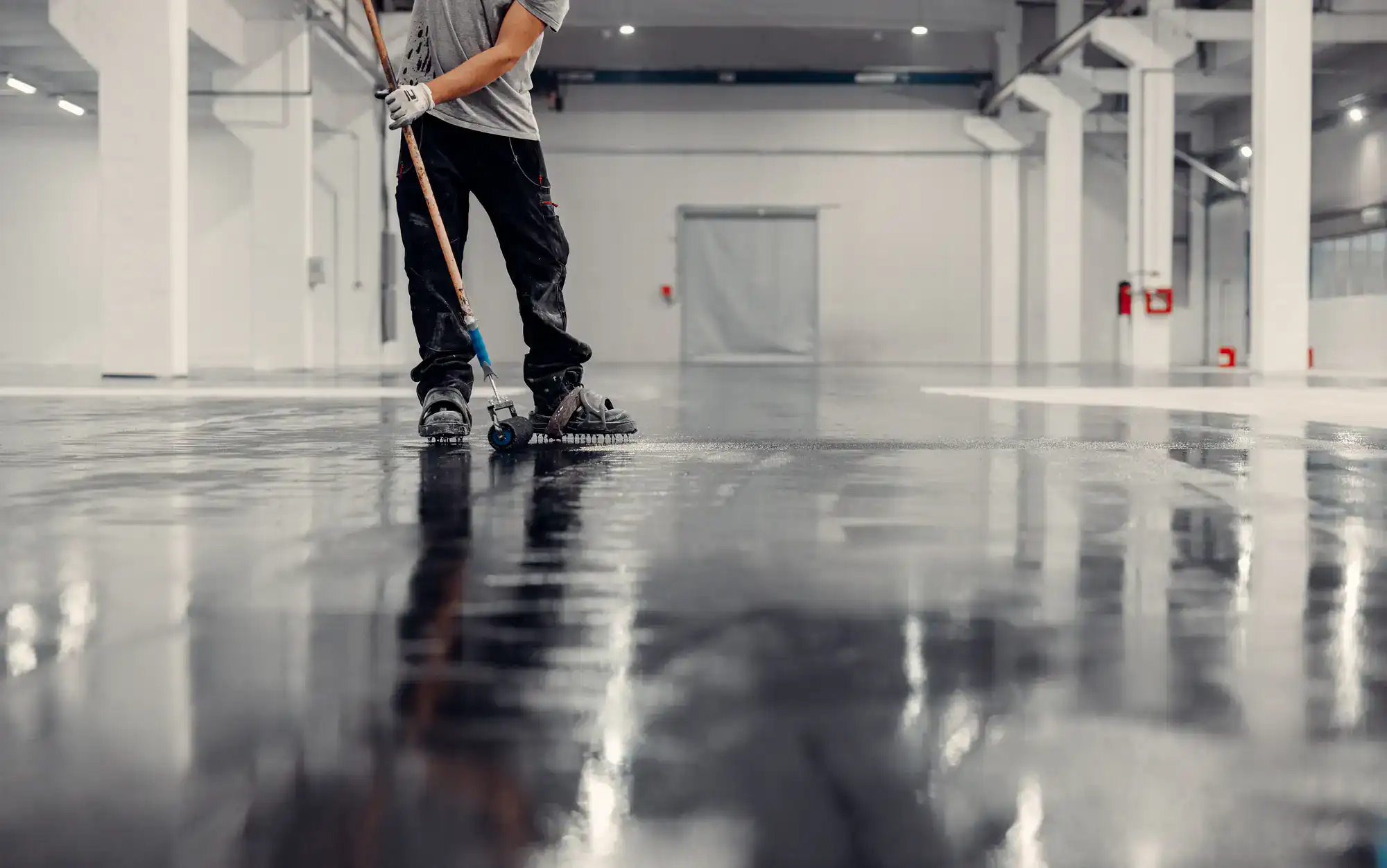
Polished epoxy flooring in a commercial garage with a worker cleaning surface.

Hear From Our Clients

[Add Trustindex Slider Here]
Worker applying epoxy coating on a concrete floor in a commercial space.

Concrete Floor Coating Pine Hills

A Floor That Holds Up Where Others Peel

If you’ve seen a garage floor in Pine Hills start bubbling or flaking a year or two after installation, you already know the problem. It’s not bad luck it’s moisture vapor. Florida’s soil is flat and porous, and it pulls humidity up through concrete slabs from below, especially in older homes. The neighborhoods along Pine Hills Road and Silver Star Road have housing stock dating back to the 1950s, and those slabs need more than a pressure wash before any coating goes down. When that step gets skipped, the floor fails. It’s that simple.

A properly installed epoxy floor changes how you use your space. Your garage stops being something you avoid and starts being somewhere you actually want to work, park, or store things without watching the floor deteriorate. For Pine Hills homeowners who have been building equity over the last decade with average home values now around $281,000 protecting your concrete is protecting your investment. A floor that looks sharp and holds up under real conditions adds to that value, not just aesthetically, but practically.

For businesses operating in Pine Hills’ industrial corridor near West Colonial Drive or Silver Star Road, the stakes are even higher. Forklift traffic, chemical spills, and constant foot traffic demand a commercial-grade system not a residential product applied to a warehouse floor and hoped for the best. The right coating, installed correctly, means less maintenance, fewer repairs, and a floor that doesn’t become a liability.

Epoxy Floor Installers Pine Hills FL

No Subcontractors, No Surprises, No Excuses

We’re a masonry company, which means concrete isn’t a side job it’s the whole job. When you call about epoxy flooring in Pine Hills, you’re not getting handed off to a subcontracted crew that shows up with different standards than what was sold to you. The same team that assesses your slab is the team that preps it, coats it, and follows up after.

That matters a lot in Pine Hills, where older slabs in neighborhoods like Robinswood and Evans Village often need crack repair or surface grinding before a coating can bond properly. If a contractor doesn’t catch that upfront, you’re paying for a floor that’s already on borrowed time. We price transparently, communicate clearly, and don’t disappear after the deposit clears. You’ll know what’s happening with your project at every stage and you’ll get a follow-up call after completion to make sure it’s right.

Pine Hills falls under Orange County’s jurisdiction, not a city building department. We operate in full compliance with Florida’s contractor licensing requirements and carry the insurance to back it up.

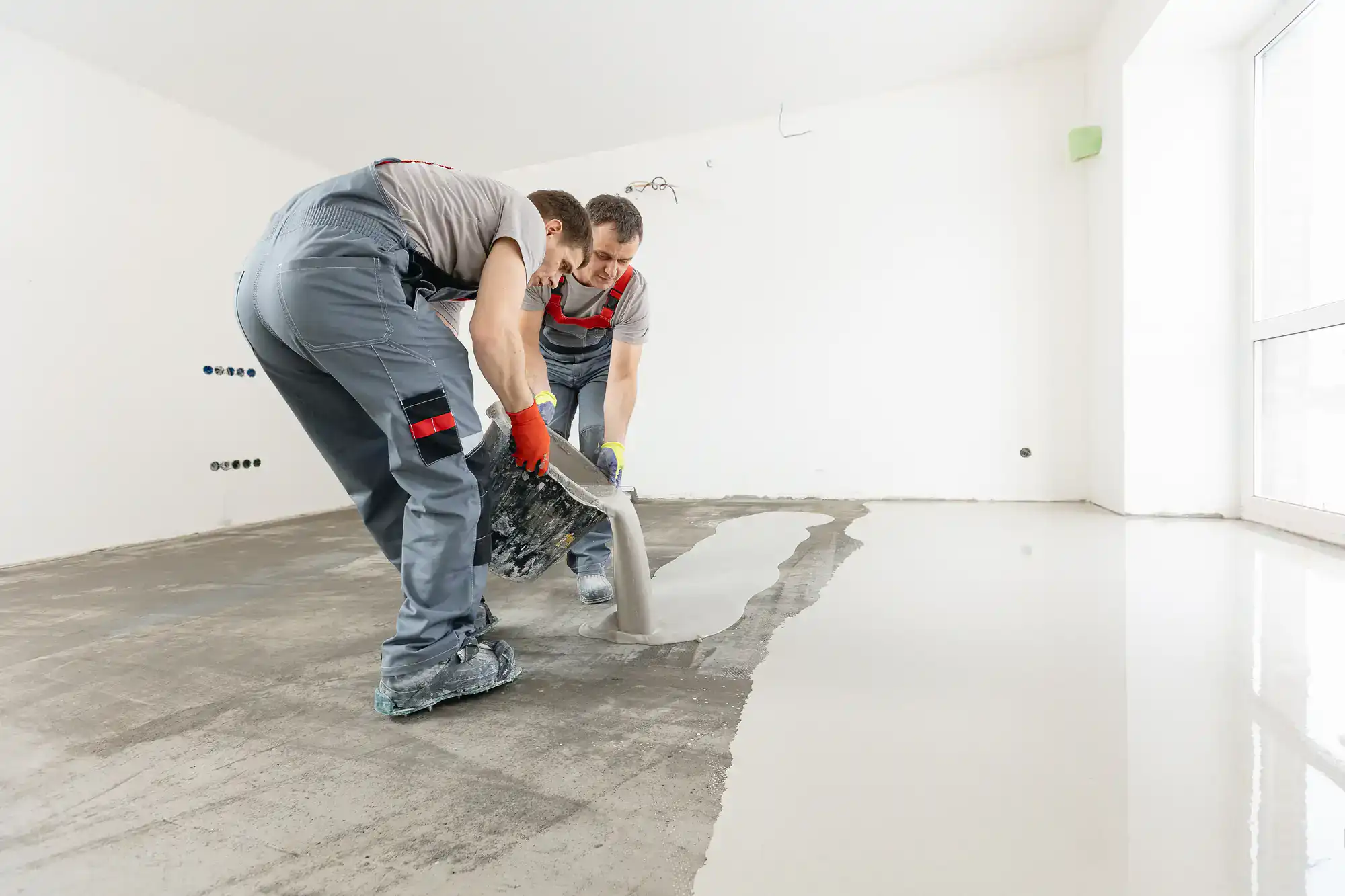
Worker applying epoxy flooring in a bright, empty room with large window.

Garage Floor Epoxy Process Pine Hills

What Actually Happens Before the First Drop of Epoxy

The process starts with an honest assessment of your slab. In Pine Hills, that means checking for moisture vapor before anything else. Because Florida slabs sit at grade on porous soil, moisture often moves up through the concrete invisibly and if it’s not tested for and addressed with the right primer, it will eventually lift your coating from below. This step alone separates a floor that lasts from one that doesn’t.

Once the slab is assessed, surface preparation begins. For homes in Robinswood, Pine Ridge Estates, or other older Pine Hills neighborhoods, that typically means diamond grinding or shot blasting to remove surface contamination oil, old sealers, or decades of buildup and to open the concrete’s pores so the epoxy actually bonds. Skipping this step is the other most common reason floors fail. It takes more time, but it’s not optional if you want a floor that holds.

From there, the system goes down in layers: moisture barrier primer first, then the base coat, then the decorative broadcast if you’re going with a chip or flake finish, then the topcoat. In Central Florida, that topcoat needs to be UV-stable standard epoxy yellows and degrades under Florida’s sun, especially in garages with south or west-facing doors. Timing matters too. The best installation window in Pine Hills runs from November through April, when humidity drops and curing conditions improve. If you’re planning a project, booking during the dry season gives you the best result.

Workers applying epoxy flooring in a bright, empty room in Altamonte Springs, FL.

Polyaspartic Floor Coating Pine Hills FL

Built for Pine Hills Slabs, Not a Generic Checklist

Every epoxy flooring project we take on in Pine Hills includes moisture vapor testing as a standard step not an upsell. Given that 60% of premature flooring failures in Florida are humidity-related, testing isn’t optional here. It’s the foundation of everything else. If moisture mitigation is needed, that gets addressed before a single coat goes down, and you’ll know about it upfront with a clear explanation of what it means for your project and your price.

For residential installs garages, utility rooms, interior slabs the system is built around Central Florida’s climate. That means UV-stable polyaspartic topcoats for spaces with sun exposure, high-build epoxy bases for durability under vehicle weight and foot traffic, and decorative flake or chip broadcast options that hold up without showing every scuff. For homes in Pine Hills’ older subdivisions where the slab may have settled, cracked, or been previously sealed, those repairs are handled in-house before coating begins. No separate bids, no separate crews.

For commercial and industrial spaces whether you’re managing a facility off Silver Star Road or a retail space along the West Colonial Drive corridor we install heavy-duty systems rated for forklift traffic, chemical exposure, and the demands of daily operations. Because Pine Hills is unincorporated Orange County, any commercial work that requires permitting goes through the county, and we handle that process with full compliance. You get one point of contact, transparent pricing from the start, and a floor built to last under the conditions you actually work in.

Applying epoxy coating on a concrete floor in a commercial space.

Why do so many epoxy floors in Pine Hills, FL fail so quickly?

The short answer is moisture vapor, and it’s a Florida-specific problem that catches a lot of homeowners in Pine Hills off guard. Unlike northern states where moisture concerns are mostly about below-grade basements, Central Florida’s slabs sit flat on porous soil. That soil draws humidity up through the concrete from below, and if a contractor doesn’t test for moisture vapor before installation and use a primer designed to handle it, the coating will eventually lift from underneath sometimes within a year.

The second most common cause is inadequate surface prep. In Pine Hills specifically, homes in neighborhoods like Robinswood and Pine Ridge Estates have slabs that are 60 to 70 years old. Those surfaces often have oil contamination, old sealers, or micro-cracks that need to be addressed before any coating is applied. Diamond grinding opens the concrete’s pores and creates the mechanical bond that makes epoxy stick permanently. When a contractor skips grinding to save time, the floor looks fine for a few months and then it doesn’t.

A properly installed epoxy system in Central Florida one that includes moisture vapor testing, correct surface prep, and a UV-stable topcoat should last 10 to 20 years under normal residential use. The UV-stable topcoat is especially important in Pine Hills, where garage doors facing south or west expose the floor to intense year-round sun. Standard epoxy without UV protection yellows and breaks down much faster than that.

What shortens that lifespan is almost always installation shortcuts. If the slab wasn’t ground properly, if moisture wasn’t tested and mitigated, or if a standard epoxy was used instead of a polyaspartic topcoat, you’re looking at a much shorter window sometimes two to five years before the floor starts peeling or clouding. The coating system itself matters too. A single-layer DIY kit from a hardware store and a professionally installed multi-layer system are not the same product, and they don’t perform the same way under Florida’s conditions.

For most residential epoxy flooring projects in Pine Hills which falls under Orange County’s jurisdiction, not a city building department a building permit is not required. Applying a coating to an existing concrete slab is generally considered a maintenance or cosmetic improvement, which doesn’t trigger a permit requirement in Orange County.

That said, if your project involves structural concrete repair, resurfacing that changes the slab’s load characteristics, or work that’s part of a larger renovation, a permit may be required. For commercial properties in Pine Hills’ industrial or retail corridors, the scope of work and applicable codes are worth reviewing with your contractor before the project starts. We handle Orange County compliance as part of every commercial project and will let you know upfront if permitting applies to your specific job no surprises after the fact.

The dry season November through April is the best window for epoxy flooring installation in Pine Hills. During those months, humidity levels drop significantly, which gives epoxy and polyaspartic coatings better curing conditions and stronger adhesion. Florida receives 60 to 70 percent of its annual rainfall between May and October, and high ambient humidity during that period can interfere with how the coating cures, especially in garages that aren’t climate-controlled.

That doesn’t mean installation is impossible during the rainy season polyaspartic systems have a wider temperature and humidity tolerance than standard epoxy, which is one reason they’re often preferred for year-round use in Central Florida. But if you have flexibility in your timing, scheduling your project for the fall or winter gives you the most predictable outcome. If you’re planning a spring project, booking in late fall or early winter is smart demand picks up as the dry season settles in, and the best installation windows book out faster than most homeowners expect.

Yes but the system has to be matched to the use. For a residential garage in Pine Hills, a standard multi-layer epoxy system with a polyaspartic topcoat handles vehicle weight, foot traffic, tool drops, and the oil and fluid spills that come with everyday use. It cleans up easily, resists staining, and holds its appearance for years without requiring much maintenance.

For commercial and industrial applications and Pine Hills has a real industrial base, with Amazon, Coca-Cola, Frito-Lay, and HD Supply all operating facilities in the community a residential-grade product isn’t the right answer. Warehouse floors that see forklift traffic, chemical exposure, and heavy daily use need a high-build commercial system, often with a urethane cement or broadcast chip finish rated for that kind of load. We install both residential and commercial systems and will recommend the right product for what your floor actually has to handle not just whatever’s easiest to install.

For a standard residential garage in Pine Hills, professional epoxy flooring typically runs between $3 and $7 per square foot, depending on the size of the space, the condition of the existing slab, and the system being installed. A two-car garage roughly 400 to 500 square feet generally falls in the $1,200 to $3,500 range. If the slab needs moisture mitigation, crack repair, or significant surface grinding due to age or contamination, that affects the final number, and you’ll know about it before work starts.

Polyaspartic systems, which are better suited to Pine Hills’ year-round UV exposure and humidity, tend to cost a bit more than standard epoxy but they also last longer and perform better in Florida’s climate, which makes the difference in cost worth it over time. We provide fully itemized written estimates before any work begins. Every line item is explained surface prep, primer, base coat, topcoat, any repair work so you know exactly what you’re paying for and why. For Pine Hills homeowners who’ve dealt with vague contractor quotes before, that transparency is built into how we operate, not offered as a special exception.

Other Services we provide in Pine Hills