Concrete Repair in Clermont, FL

Clermont's Hills and Karst Soil Are Hard on Concrete

When your driveway cracks or your patio starts sinking, the cause usually runs deeper than the surface especially here in Clermont. We deliver honest concrete repair built for what Lake County’s terrain actually does to your property.
Close-up of textured concrete surface with contrasting colors.

Hear From Our Clients

[Add Trustindex Slider Here]
Cracked and peeling white wall surface for concrete repair in Altamonte Springs, FL.

Concrete Leveling and Repair, Clermont FL

Repaired Right the First Time Before It Gets Worse

A crack in your driveway or a sunken patio slab might look like a cosmetic issue. In Clermont, it rarely is. The karst limestone bedrock beneath most of Lake County dissolves slowly over time, creating voids that allow soil to shift and concrete to settle in ways that don’t stop on their own. What starts as a hairline crack can become a serious settlement problem and by the time it looks bad enough to call someone, the repair cost has usually multiplied.

The rolling terrain that makes Clermont visually unlike anywhere else in Central Florida also creates drainage patterns that flat suburban communities don’t deal with. Elevation changes of 20 to 30 feet across a single residential lot are common here. Water channels down slopes, erodes the sandy substrate beneath your slab, and accelerates the kind of settling that leads to uneven surfaces, trip hazards, and failing retaining walls. That’s not a generic Florida concrete problem that’s a Clermont-specific one.

Getting ahead of it saves you real money. Professional crack repair typically runs a fraction of what full slab replacement costs. Our goal isn’t just fixing what you can see it’s understanding what caused it so the repair actually holds when the next rainy season hits.

Masonry Contractor Serving Clermont, FL

We Know Lake County and What It Does to Concrete

We work throughout Lake County and have direct experience with the conditions that make concrete repair in Clermont different from anywhere else in the region. The karst geology, the sandy Lake Wales Ridge soils, the hillside drainage challenges in communities like Kings Ridge and Heritage Hills along the US 27 corridor these aren’t abstract concepts to us. They’re the actual conditions we work around every time we take a job here.

Every project starts with a written, itemized estimate. You know the number before a single tool is picked up, and that number doesn’t change by invoice day without your explicit sign-off. We’re also properly registered with Lake County’s Building Services department, carrying the Workers’ Compensation and liability insurance coverage that Lake County requires including naming the Lake County Board of County Commissioners as certificate holder. That’s a specific, non-obvious requirement that a lot of out-of-county contractors haven’t set up, and it matters for your protection.

Worker cutting concrete blocks at construction site for repair project.

Concrete Repair Process in Clermont, FL

From First Look to Finished Repair No Guesswork

It starts with an honest assessment. Before anything is quoted or scheduled, we look at what’s actually happening not just the crack or the sunken slab, but what the surface is telling us about what’s going on beneath it. In Clermont, that diagnostic step matters more than it does in most places. A settled driveway on sandy karst soil is a different problem than a surface crack from thermal expansion, and treating them the same way produces different results.

Once we understand the cause, we put together a written, itemized quote. You’ll see exactly what’s being done, what materials are being used, and what it costs before you agree to anything. If the repair requires a permit through Lake County Building Services or the City of Clermont, we handle that coordination. You don’t have to navigate which jurisdiction owns which road or which office to call.

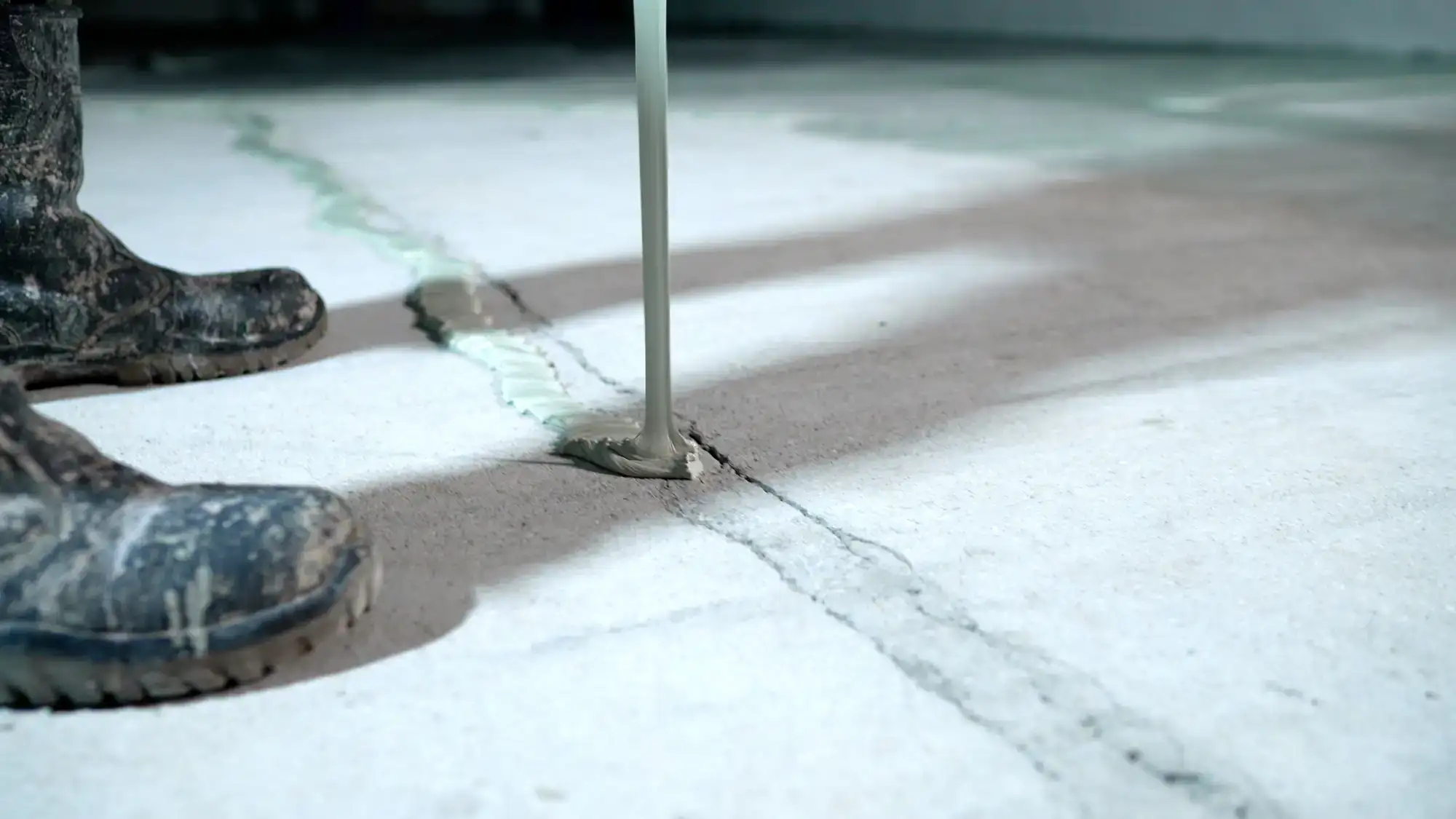
The repair itself uses methods matched to Florida’s climate and Clermont’s soil conditions specifically. Polyurethane foam injection for slab lifting, for example, is ready for use in as little as 15 to 30 minutes and doesn’t require the kind of excavation that disrupts your property for days. For structural cracks, epoxy resin injection seals and stabilizes from the inside out. After the job is done, we follow up not as a formality, but because the first significant rainfall after a repair is when you actually find out if the work held. We want to know that before you have to call us about it.

Concrete crack being sealed by professional repair in Altamonte Springs, FL.

Driveway and Slab Repair Near Clermont, FL

Everything Masonry One Contractor, One Standard

Concrete repair in Clermont covers more ground than it does in most Central Florida towns, and that’s not an exaggeration. The hilly terrain means retaining walls are a genuine and recurring need here not an occasional add-on. If you’re on a hillside lot in the Palisades, near Overlook at Lake Louisa, or anywhere along the Lake Wales Ridge corridor, your retaining wall is doing real structural work. When it starts to bow, crack, or separate, that’s not a cosmetic issue you can defer. We handle retaining wall repair and reconstruction as a core service not something we subcontract out or figure out as we go.

Beyond retaining walls, the full range of residential concrete repair is covered: driveways, pool decks, patios, walkways, and interior slabs. In active adult communities like Kings Ridge and Heritage Hills where HOA standards require that damaged concrete be addressed to maintain community appearance the quality of the finish matters as much as the structural fix. Color matching, clean edges, and a surface that doesn’t look patched are part of what you’re getting, not afterthoughts.

For newer communities like those going up along the Wellness Way corridor or near Cagan Crossings, early settlement in new construction concrete is a known issue on recently disturbed sandy soil. Catching it early before it progresses is significantly less expensive than waiting. If your home is less than ten years old and you’re already seeing cracks or unevenness, that’s worth a professional look, not a wait-and-see approach.

Concrete being poured into a foundation form for repair work in Altamonte Springs, FL.

Could my cracked driveway in Clermont be related to sinkhole activity?

It’s a fair question to ask here, and the honest answer is: most driveway cracks in Clermont are not caused by sinkholes. The more common culprits are sandy soil settlement, drainage erosion at the base of a slope, and the natural expansion and contraction concrete goes through in Florida’s heat. That said, Clermont and Groveland are specifically classified by the Florida DEP as areas of high sinkhole activity, and the karst limestone bedrock beneath most of Lake County is genuinely susceptible to void formation over time. A 60-foot sinkhole opened on SR-50 right here in Clermont in July 2023 so the concern isn’t unfounded.

The difference between routine settlement and something more serious usually shows up in the pattern and progression of the damage. Cracks that appear suddenly, widen quickly, or are accompanied by doors that no longer close properly or floors that feel uneven inside the home are worth having a professional look at sooner rather than later. A surface patch over an active void is not a repair it’s a delay. We’ll tell you what we actually see, and if what we find warrants further investigation, we’ll say so directly.

The short answer is a combination of geology, terrain, and climate that doesn’t exist in most other parts of Florida. Clermont sits on the Lake Wales Ridge, where the surface soils are largely sandy and have poor load-bearing capacity when wet. Beneath that sandy layer is karst limestone that dissolves slowly over time, creating subtle voids and allowing soil to migrate. When concrete is poured over this kind of substrate especially in newer developments where the ground has been recently disturbed settlement can begin within just a few years.

Add in the rolling terrain. Clermont’s elevation changes are unusual for Florida, and that means water doesn’t drain uniformly away from your concrete. It channels, pools at the base of slopes, and erodes the material beneath your slab from the edges inward. Then layer on Florida’s rainy season 60 to 70 percent of annual rainfall concentrated between May and October and you have conditions that accelerate what would be a slow process anywhere else. Concrete in Clermont fails because the environment it’s sitting in is genuinely demanding.

It depends on the scope of the work. Surface-level crack repair and patching generally don’t require a permit. But if you’re replacing a full driveway slab, doing significant structural repair to a retaining wall, or doing work that touches the right-of-way, a permit is likely required and the jurisdiction that needs to issue it depends on which road or boundary your property is adjacent to.

This is where Clermont gets a little complicated. The City of Clermont owns and maintains only about 26 percent of the paved roads within its boundaries. Lake County owns another portion, and FDOT is responsible for SR-50 and US 27. Work near a county or state road involves a different permit process than work on a city-maintained street. A contractor who primarily works in Orange County and occasionally takes jobs here may not be set up for Lake County’s specific requirements which include naming the Lake County Board of County Commissioners as the certificate holder on both workers’ comp and liability insurance. We handle the permit coordination as part of the job, so you don’t have to figure out which office to call.

The repair-versus-replace question comes down to two things: the condition of the slab itself and the condition of what’s beneath it. If the concrete is structurally sound but has surface cracking, spalling, or minor settlement, repair is almost always the right call and significantly less expensive. A full driveway replacement in Clermont can run $8,000 to $15,000 or more. Targeted slab leveling and crack repair for the same driveway might run $2,000 to $5,000, and when done correctly with the right materials, it holds.

Replacement makes more sense when the slab has deteriorated past the point where repair is cost-effective severe structural cracking throughout, multiple sections that have settled independently in different directions, or cases where the substrate beneath has failed to a degree that any repair will just settle again. The honest assessment is the most important part of this conversation, and it’s one we take seriously. We’re not going to recommend a full replacement on a driveway that can be repaired, and we’re not going to patch something that’s going to fail again in two years just to close a job quickly.

Yes and it matters more here than in most markets. Clermont’s rainy season runs from May through October, and during that window, concrete work is harder to schedule reliably, curing conditions are less predictable, and the saturated soil conditions can make it difficult to properly prepare the base before repair. October through April is the optimal window for most concrete repair projects in Clermont. The soil is more stable, curing is more consistent, and you’re not racing the afternoon thunderstorm.

That said, some repairs can’t wait for the dry season. If you have a retaining wall showing signs of active movement, a sunken slab creating a safety hazard, or damage from a storm event, those need to be addressed when they happen not in six months. We offer emergency response for urgent concrete and masonry situations. If something fails after a heavy rain or a tropical system moves through, you don’t have to wait for a Tuesday appointment two weeks out. The practical advice: if you notice damage during the summer, document it and get an assessment done. Then plan the repair for fall if the situation allows it.

Start with licensing and insurance and get specific about it. A Florida state contractor’s license is the baseline, but it’s not enough on its own for work in Clermont. Lake County requires that contractors carry Workers’ Compensation insurance and a Certificate of Liability Insurance with the Lake County Board of County Commissioners named as the certificate holder. This is a specific requirement that many contractors who primarily work in Orange County haven’t set up. If a contractor can’t show you Lake County-compliant documentation, they can’t legally pull a permit here and if something goes wrong on an unpermitted job, the liability can fall on you as the homeowner.

Beyond licensing, look for a written estimate before any work begins. Not a verbal ballpark a written, itemized quote that spells out exactly what’s being done and what it costs. Ask whether the contractor has experience with the specific conditions in Clermont: hillside drainage, karst soil, retaining walls, and the kind of settlement patterns common in communities along US 27 and Hartwood Marsh Road. A contractor who’s worked extensively in Lake County will understand these conditions without needing to be briefed. One who hasn’t may give you a repair that looks fine for a season and fails when the soil beneath it keeps moving.

Other Services we provide in Clermont