Concrete Repair in Winter Park, FL

When Oak Roots and Lake Moisture Win, Your Concrete Loses

Winter Park’s trees and lakes are what make it worth living here but they’re also quietly destroying your concrete. We fix that.
Concrete being poured into a foundation form for repair work in Altamonte Springs, FL.

Hear From Our Clients

[Add Trustindex Slider Here]
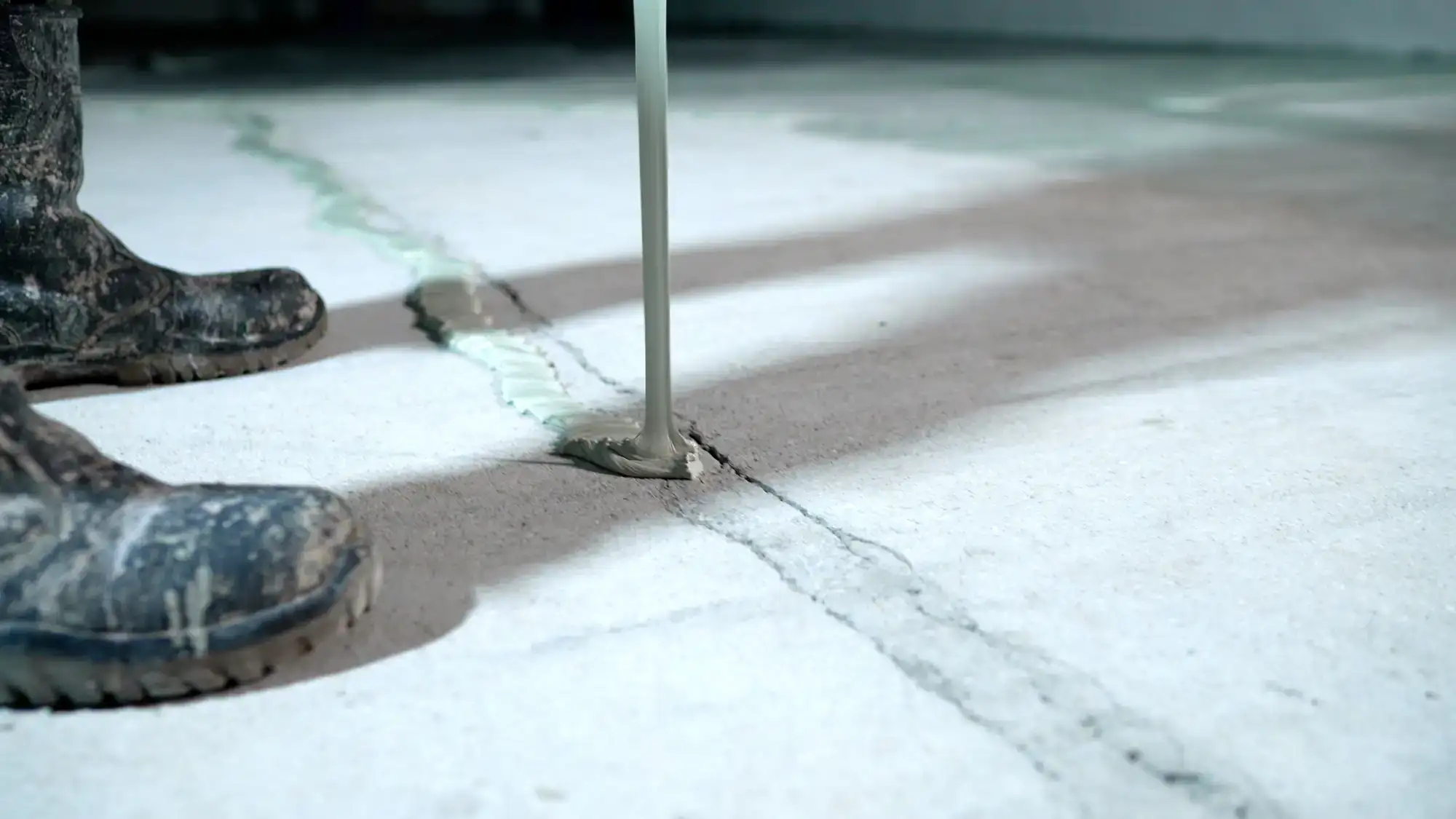
Concrete crack being sealed by professional repair in Altamonte Springs, FL.

Concrete Repair Services Winter Park

What Changes When the Damage Actually Gets Fixed

A cracked driveway or sunken patio isn’t just an eyesore in Winter Park it’s a liability. Buyers in this market are paying premium prices and conducting thorough inspections. A visible crack in your driveway or a spalling pool deck near Lake Virginia tells them something is wrong before they ever walk through the door. Getting it repaired properly isn’t just about aesthetics. It’s about protecting what this property is actually worth.

Winter Park’s combination of mature live oaks, a high water table, and lake-adjacent soil conditions creates one of the more demanding environments for concrete in Central Florida. The root systems on the canopy oaks lining streets throughout Lakemont, the Via communities, and the neighborhoods near Park Avenue are aggressive and surface-seeking. They lift slabs, crack driveways, and heave sidewalks and they don’t stop. A repair that doesn’t account for that ongoing pressure won’t hold. The right fix here means choosing materials and methods that are matched to what your specific property is dealing with, not a generic patch job.

Once the work is done right, you stop watching it get worse. The safety hazard is gone. The curb appeal is back. And if you’re planning to sell, you’re not handing a buyer’s inspector an easy objection.

Masonry Contractor in Winter Park, FL

One Contractor Who Handles the Whole Property

We’re a masonry services company serving Winter Park and the surrounding Central Florida area. Our work covers the full spectrum concrete repair and resurfacing, driveways, pool decks, retaining walls, brick, block, and stone. If it’s masonry, we handle it. That matters in a city like Winter Park, where a single property might have a long concrete driveway, an aging pool deck, a lakeside retaining wall, and ornamental brick at the entry all needing attention at different stages.

What sets us apart isn’t a tagline. It’s how the work gets done. Pricing is transparent and written before anything starts. Emergency response is available when storm damage or a sudden failure can’t wait for a standard scheduling window. Every project includes tracking so you know exactly where things stand, and a follow-up call after completion to make sure everything held up the way it should.

Winter Park homeowners expect a professional level of service from every contractor they hire. We operate at that standard.

Worker cutting concrete blocks at construction site for repair project.

Concrete Repair Process Winter Park, FL

No Guesswork Here's Exactly What the Process Looks Like

It starts with an honest assessment. Before any work is quoted, the damage gets evaluated in full what caused it, how far it’s progressed, and whether repair or replacement is the smarter investment for your situation. In Winter Park, that diagnostic step matters more than most places. A crack near a large oak could be root pressure. A sunken section near one of the lakes could be soil saturation, or it could be something that warrants a closer look given the city’s history with subsurface voids. You’ll know what you’re dealing with before you commit to anything.

From there, you get a written estimate that reflects the actual scope. No ballpark figures that shift once work begins. Orange County requires permits for concrete driveways, walkways, and pads, and a final inspection is mandatory for Florida Building Code compliance we handle the permitting process as part of the job so you’re not navigating that on your own or inheriting a compliance problem down the road.

Once the work starts, the timeline is communicated clearly and you can track progress. The repair methods we use including polyurethane foam injection for sunken slabs and polymer-modified overlays for surface work are selected for Florida’s climate conditions specifically. When the job is complete, you’ll hear from us to confirm everything is performing the way it should. That follow-up isn’t a formality. It’s accountability.

Cracked and peeling white wall surface for concrete repair in Altamonte Springs, FL.

Concrete Repair and Resurfacing Winter Park

Every Service Built Around What Winter Park Properties Actually Face

The concrete repair work we handle in Winter Park covers the full range of what residential and commercial properties here actually deal with. Driveway repair and resurfacing, pool deck restoration, patio crack repair, retaining wall work, sidewalk leveling, and concrete block repair are all in scope. So is slab lifting using polyurethane foam injection a method that returns a sunken surface to level in as little as 15 to 30 minutes with no extended cure time, which matters when you’re dealing with a pool deck or driveway that needs to be back in use quickly.

For properties near the Winter Park Chain of Lakes Lake Osceola, Lake Virginia, Lake Killarney moisture-related deterioration like spalling, efflorescence, and surface erosion is a recurring issue. The materials and sealants we use in these environments are selected for sustained moisture exposure, not just standard Florida heat and UV. The same applies to properties in older neighborhoods like Casa Aloma, where mid-century concrete block construction means the masonry needs extend well beyond the driveway.

We also work in Baldwin Park, the adjacent community built on the former Orlando Naval Training Center. Homes there are now over 20 years old and entering the phase where original concrete surfaces driveways, pool decks, walkways are showing real wear and need professional attention. The scope of work is the same. The standard doesn’t change based on the zip code.

Close-up of textured concrete surface with contrasting colors.

Why does concrete crack so much in Winter Park compared to other Florida cities?

Winter Park has a specific combination of conditions that most Florida cities don’t share at the same intensity. The mature live oak canopy which the city actively protects by ordinance produces root systems that are aggressive, surface-seeking, and capable of lifting and cracking concrete slabs over time. Neighborhoods like Lakemont, the Via communities, and the streets near Park Avenue have some of the oldest and largest trees in Central Florida, which means root intrusion into driveways and patios is not occasional it’s a recurring maintenance reality.

On top of that, Winter Park’s density of lakes and the high water table across much of the city means soil moisture levels are consistently elevated. Wet soil expands and contracts with seasonal changes, which puts ongoing stress on concrete from below. Add Florida’s heat, UV exposure, and the occasional cold snap that causes minor freeze-thaw cycling, and you have an environment that ages concrete faster than most inland, drier communities. Understanding what’s actually causing the damage is the first step to fixing it in a way that holds.

It’s a fair question, and in Winter Park specifically, it’s not an unreasonable one to ask. The city sits on Florida’s karst limestone geology, where groundwater gradually dissolves the underlying limestone and can create subsurface voids. The 1981 Winter Park Sinkhole which opened on May 8th of that year and grew to 320 feet wide and 90 feet deep is one of the most documented sinkhole events in U.S. history, and it’s part of the local consciousness for a reason.

That said, most concrete cracking in Winter Park is caused by root pressure, soil settlement, or normal concrete aging not sinkhole activity. The difference often comes down to the pattern and progression of the damage. Sinkhole-related subsidence tends to involve multiple converging cracks, circular depression patterns, or sections that are dropping rather than simply shifting. A contractor who knows this market can look at what you’re describing and give you an honest read on whether it warrants further investigation or whether it’s a straightforward repair. You deserve that answer before any work begins.

Yes, in most cases. Orange County requires permits for concrete driveways, walkways, and pads and at least a final inspection must be passed to confirm Florida Building Code compliance. This applies to work in Winter Park, which falls under Orange County’s building jurisdiction for most permit purposes, alongside the city’s own municipal requirements.

This matters more than most homeowners realize at the time of the project. A contractor who skips the permit process saves time upfront and creates problems for you later when you sell the property, when you file an insurance claim, or when an inspection reveals unpermitted work. In a market where Winter Park homes trade at premium prices and buyers conduct thorough due diligence, unpermitted concrete work is a real liability. We handle the permitting process as part of the job. You don’t have to navigate the county’s system, schedule the inspection, or worry about whether the work meets code. That’s handled.

The honest answer is that repair is the right call more often than most contractors will tell you because replacement is the higher-ticket job. A good rule of thumb: if repair costs approach 50% of what full replacement would cost, or if the damage is structural and surface-level work genuinely can’t resolve it, then replacement makes sense. In most other cases, professionally executed concrete repair using the right materials and methods will last 10 to 15 years or more in Florida’s climate.

For Winter Park properties specifically, the repair-versus-replace question often comes down to what’s underneath the damage. If root intrusion has lifted a slab but the concrete itself is otherwise sound, lifting and stabilizing it is often the better investment. If a pool deck near one of the lakes has widespread surface deterioration from years of moisture exposure, a polymer overlay or full resurfacing may be more cost-effective than tearing it out. The assessment should be honest, not steered toward the option that generates a bigger invoice. That’s the conversation we have with every customer before any work is quoted.

The dry season roughly October through April is the optimal window for concrete repair in Winter Park. Florida’s rainy season runs from May through October and accounts for 60 to 70% of the state’s annual rainfall. During those months, you’re dealing with frequent afternoon storms, higher ambient humidity, and soil that stays saturated for extended periods. All of that affects curing conditions, scheduling reliability, and how long certain materials take to set properly.

Scheduling in the fall or winter gives you better curing conditions, lower humidity during application, and a more predictable project timeline. That said, concrete repair doesn’t always happen on a convenient schedule storm damage, a safety hazard, or a failing retaining wall near a lake doesn’t wait for October. We offer emergency response for situations where the damage can’t sit. If you’re planning ahead rather than reacting to an urgent problem, late fall through early spring is the window to target for the smoothest process and the best conditions for the work to hold long-term.

It depends heavily on the scope, but here are real numbers to work with. Professional crack filling runs roughly $1 to $3 per linear foot, with most contractors carrying a minimum service call in the $100 to $175 range. Concrete resurfacing averages $3 to $5 per square foot for standard finishes; decorative or stamped overlays run $6 to $15 per square foot. Pool deck repair and resurfacing a high-demand service in Winter Park given the number of lake-adjacent and lakefront properties typically falls between $2,000 and $6,000 or more depending on the condition and size of the deck. Full driveway replacement runs $5 to $6 per square foot and up for new pours.

What drives cost up in Winter Park specifically is the condition of older concrete. A significant share of the city’s housing stock dates to the 1950s, 1960s, and 1970s concrete that’s now 50 to 70 years old and has been working against Florida’s climate the entire time. Surface prep on older slabs takes more time and the right materials cost more than what goes into a newer pour. The upside is that catching damage early almost always costs a fraction of what it costs to let it progress. A hairline crack addressed now is a $150 to $300 repair. Left alone in Winter Park’s environment with root pressure, moisture, and heat working on it daily that same crack can become a structural failure that runs several thousand dollars to remediate properly.

Other Services we provide in Winter Park