Licensed and insured concrete and masonry contractors serving Central Florida. Quality work, honest pricing, no surprises.
Contact Info
Hear From Our Clients
A cracked driveway or sunken patio isn’t just an eyesore it’s a sign that something’s happening underneath. In Oakland, that “something” is usually moisture. Sitting between two significant water bodies, this town deals with a consistently elevated water table that saturates the sandy soil beneath slabs, causes voids to form, and eventually lets concrete settle, crack, and shift. A surface patch won’t fix that. The right repair addresses what’s happening below.
When the work is done correctly, you get a surface that’s level, structurally sound, and finished to a standard that actually holds up through Florida’s rainy season. That matters here, where May through October brings the kind of rainfall that exposes every shortcut a contractor took. Properly executed concrete repair with materials and methods matched to Oakland’s specific soil conditions can last a decade or more without needing to be revisited.
For homeowners in Longleaf at Oakland, where driveways and patios are now hitting that five-to-seven-year mark when Florida’s climate starts revealing construction gaps, or for residents in the historic town core managing older masonry, the outcome is the same: a surface you’re not embarrassed by, a property value you’re protecting, and a repair you won’t be redoing in two years.
We’re a masonry services company serving the West Orange County corridor Oakland included. The reason homeowners here keep calling back isn’t because of flashy marketing. It’s because the work gets done cleanly, the pricing is straight, and no one disappears after the invoice.
What sets us apart in a market full of specialists is the breadth. Driveways, patios, pool decks, retaining walls, sidewalks, brick, block, stone it all falls under one roof. For an Oakland homeowner dealing with a cracked driveway on one end of the property and a deteriorating retaining wall on the other, that means one call, one crew, one timeline. No coordinating between three different contractors who each only do part of the job.
Oakland is a community that holds its standards high from the oak-lined streets of the historic town core to the newer HOA communities near the Nature Preserve. We work to match those standards on every project, not just the big ones.
It starts with a real assessment, not a sales pitch. Before anything is quoted, we evaluate the surface what’s cracked, what’s settled, what’s cosmetic, and what’s structural. In Oakland, that evaluation includes a look at drainage patterns and the substrate beneath the slab, because soil behavior near Lake Apopka is a direct factor in why concrete fails here. You’ll know what’s causing the problem, not just what it looks like.
From there, you get a written, itemized estimate. The number on that estimate is the number on your invoice. No change orders mid-project, no materials surcharges that appear after the crew shows up. If anything changes in scope, that conversation happens before the work does not after.
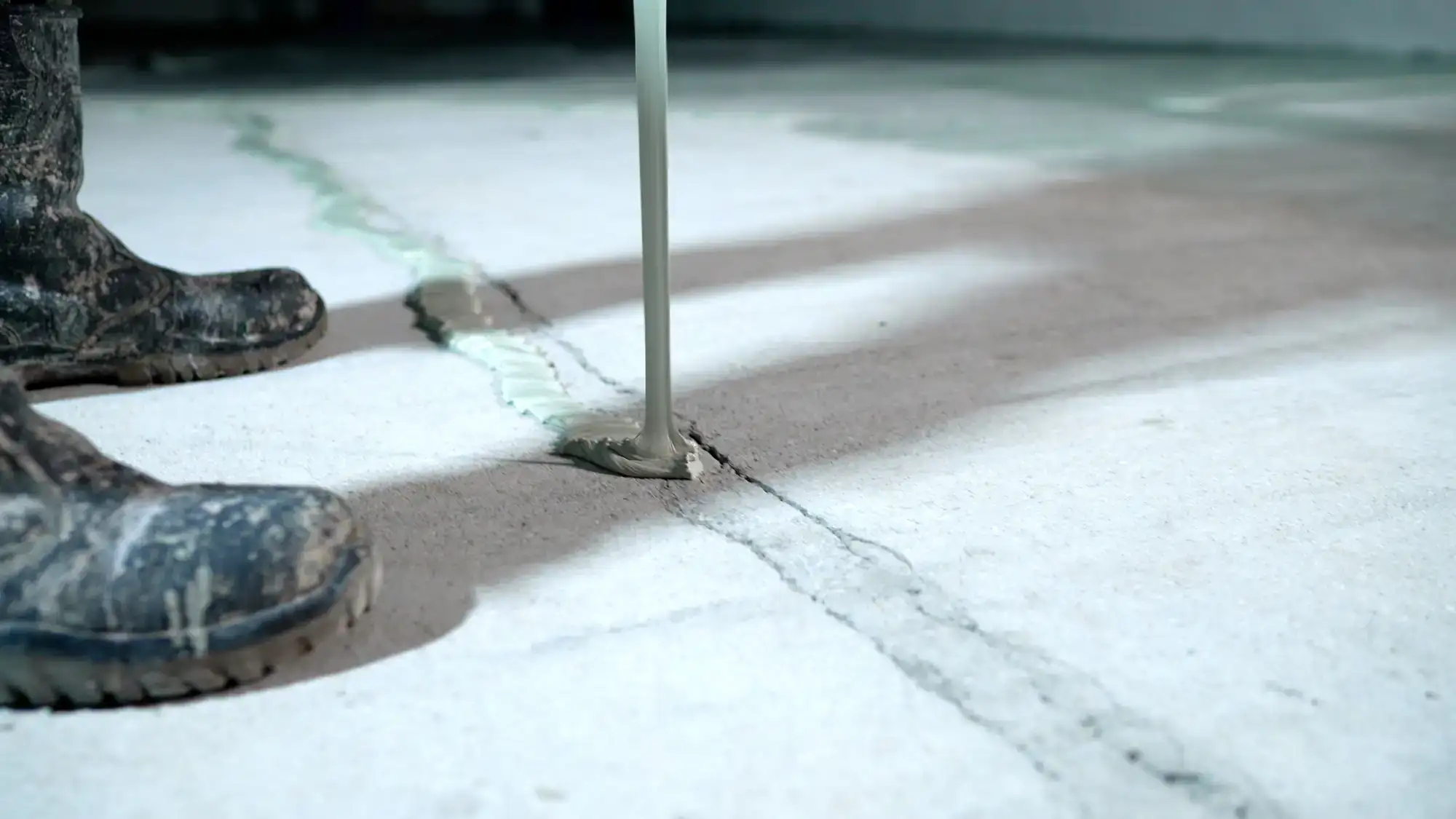
Once the work begins, the method matches the problem. Sunken slabs that have settled due to soil voids get lifted using polyurethane foam injection a process that fills the void beneath the concrete, raises the slab back to level, and has the surface ready to use within about 15 to 30 minutes. Cracked surfaces get repaired with materials suited for Florida’s heat and humidity cycles. Orange County requires a building permit for concrete pours, and we handle that correctly pulled, inspected, and closed out so there’s no unpermitted work sitting on your property record when it’s time to sell.
Ready to get started?
Concrete repair in Oakland covers more ground than most homeowners expect when they first call. It’s not just driveways. Pool decks near the lake-adjacent properties on Oakland’s north side take a beating from ground moisture and UV exposure. Patios crack from thermal expansion during Florida’s temperature swings. Walkways heave when soil shifts after a heavy rainy season. Retaining walls near the Nature Preserve corridor deal with persistent moisture from the surrounding wetlands. Each of these is a different problem and each one has a right way to address it.
We handle the full spectrum: driveway repair and resurfacing, patio slab leveling, pool deck restoration, retaining wall repair, sidewalk and walkway correction, brick and block masonry, and structural slab work. For newer homes in communities like Longleaf at Oakland, that often means addressing settling slabs and surface spalling before they become bigger issues. For older properties in the historic town core, it means working carefully with masonry that predates modern concrete standards and needs a diagnostic eye, not just a patch.
Everything comes with transparent pricing, documented follow-up after the job is complete, and full compliance with Orange County’s permit requirements. Licensed, insured, and verifiable contractor license number available before you sign anything.
Yes and this catches a lot of Oakland homeowners off guard. Orange County requires a building permit any time concrete is poured or a concrete pad is installed. That includes driveways, walkways, patios, and similar flatwork. Pavers fall under a zoning permit, while full concrete construction requires a building permit with at least a final inspection passed before the work is considered closed out.
This matters more than most people realize. Unpermitted concrete work can complicate a future home sale buyers’ agents and inspectors flag it, and it can delay or kill a closing. It can also affect your homeowner’s insurance coverage if something goes wrong. We pull permits correctly for every applicable project in Oakland and handle the inspection process, so you’re not left managing that on your own or discovering a problem years later.
The honest answer is that most concrete can be repaired and repair is usually the smarter financial move. The general rule of thumb: if repair costs are approaching 50% of what full replacement would cost, or if the damage is a genuine structural safety hazard, replacement starts to make sense. In most other cases, repair is the right call.
In Oakland specifically, a lot of what looks like severe damage is actually slab settlement caused by soil movement beneath the surface not concrete that’s structurally failed. When the void beneath a slab gets filled and the slab gets lifted back to level, the surface is often in far better shape than it appeared. That’s a repair, not a replacement. The assessment process is what tells you which situation you’re actually in, and you’ll get an honest answer before any work is quoted.
Oakland’s geography is a big part of it. The town sits between Lake Apopka to the north and John’s Lake to the south, which means the water table is relatively high and soil moisture stays elevated especially during Florida’s rainy season from May through October. Sandy soils that are consistently wet compress and shift under the weight of a concrete slab, creating voids beneath the surface. When those voids form, the slab loses support and begins to crack and settle.
There’s also the thermal expansion factor. Florida’s heat causes concrete to expand and contract repeatedly over time, which opens hairline cracks that widen with each cycle. UV exposure accelerates surface spalling. And for properties near Oakland Avenue and the Turnpike corridor, micro-vibration from heavy road traffic is a subtle but real long-term contributor to joint failure in older concrete. Knowing which of these factors is driving the damage is what determines the right repair method which is why the assessment step matters.
A properly executed repair one that addresses the root cause rather than just patching the surface can realistically last 10 to 15 years or more. The key phrase there is “properly executed.” A repair that fills a crack without addressing the soil instability beneath it will open back up within a season or two. Florida’s rainy season is unforgiving to shortcuts.
The methods matter too. Polyurethane foam injection, for example, doesn’t just lift a settled slab it fills the void in the soil that caused the settlement, which removes the underlying cause of the failure. That’s a fundamentally different outcome than mudjacking or surface patching. Materials also need to be matched to Florida’s specific conditions: the heat, the humidity, the UV exposure, and the rainfall cycles that Oakland deals with from May through October every year. When those factors are accounted for upfront, the repair holds.
October through April is the optimal window. Florida’s dry season gives concrete the curing conditions it needs lower humidity, minimal rain interruption risk, and more stable temperatures. Work scheduled during this period is less likely to face weather delays and more likely to cure correctly from the start.
That said, September and October are also when most Oakland homeowners discover damage that accumulated over the summer. After five or six months of heavy rainfall, settled slabs, new cracks, and spalling surfaces become visible. So the end of rainy season is a natural time to assess and schedule and getting on the calendar in October or November puts you ahead of the spring rush when everyone else is trying to book the same window before outdoor entertaining season. If you’re dealing with a trip hazard or post-storm damage, that’s a different conversation emergency response doesn’t wait for the dry season.
Yes and for most Oakland homeowners, that’s actually where the real value is. Concrete repair is rarely the only thing on the list. A driveway that’s cracked often comes with a front walkway that’s heaved, a retaining wall that’s showing stress, or a patio that’s settled on one side. Calling three different contractors for three different surfaces means three different schedules, three different estimates, and no single point of accountability when something doesn’t line up.
We handle anything masonry concrete flatwork, brick, block, stone, retaining walls, pool decks, sidewalks, and structural slabs all under one crew. For Oakland specifically, that’s useful whether you’re managing a newer home in Longleaf where multiple surfaces were built at the same time and are aging together, or an older property in the historic town core where the masonry predates modern standards and needs someone who can assess it properly rather than just patch what’s visible.
Other Services we provide in Oakland