Concrete Repair in Minneola, FL

Minneola's Hills Are Hard on Concrete Here's the Fix

From sloped driveways off Hancock Road to retaining walls near Sugarloaf Mountain, we handle concrete repair in Minneola the way it actually needs to be done with real knowledge of what this terrain does to concrete over time.
Worker cutting concrete blocks at construction site for repair project.

Hear From Our Clients

[Add Trustindex Slider Here]
Concrete being poured into a foundation form for repair work in Altamonte Springs, FL.

Concrete Slab Repair Minneola FL

What Changes When the Concrete Is Actually Fixed

A cracked driveway or a slab that’s shifted underfoot isn’t just an eyesore in Minneola, it’s often a sign that water has been doing damage you can’t fully see yet. The hilly terrain here concentrates runoff in ways that flat subdivisions never deal with. When that water finds a path beneath your concrete, it erodes the base, creates voids, and the surface starts to move. Fixing the surface without addressing what’s underneath just kicks the problem down the road.

When concrete repair is done right, you get a surface that’s stable, level, and no longer a liability. That means no more tripping hazard at the edge of your driveway, no more rocking slab on the patio, and no more wondering whether that crack is getting worse. For homeowners in the Hills of Minneola or anywhere near the Sugarloaf Mountain area, it also means your retaining walls and drainage aren’t quietly working against each other anymore.

The bigger win is what you don’t have to think about. You stop watching it. You stop wondering if it’s a sinkhole forming a real and reasonable concern in Lake County, where karst limestone geology is a known factor. A properly repaired and stabilized slab gives you that mental clarity back, and it protects the value of a home that, in this market, is worth protecting.

Masonry Contractor Minneola FL

One Call Covers Every Masonry Problem on Your Property

We’re a masonry specialist serving Minneola and the surrounding Lake County area. That word specialist matters here. Most contractors do one thing: pour driveways, or patch cracks, or handle retaining walls. We handle all of it, which is genuinely useful in a place like Minneola where a sloped lot often means your driveway issue, your retaining wall, and your drainage problem are all connected.

Working in Lake County means understanding what’s underneath the surface literally. The karst limestone bedrock in this area, the concentrated runoff on hillside lots, the new-construction settlement happening throughout Hills of Minneola right now these aren’t abstract concerns. They show up in our work every week.

Every project starts with a written estimate, every license and insurance document is in order for Lake County permitting, and someone follows up after the job is done. That last part isn’t standard in this industry. It should be.

Cracked and peeling white wall surface for concrete repair in Altamonte Springs, FL.

Concrete Leveling and Repair Process Minneola

No Surprises Just a Clear Process From Start to Finish

It starts with a real assessment not a quick glance and a number pulled from thin air. In Minneola, that means looking at how your lot drains, where water is moving after a storm, and whether the issue is surface-level or something happening in the base material underneath. On sloped properties, especially around the Hancock Road corridor and the newer Hills of Minneola communities, that step isn’t optional it’s what separates a repair that holds from one that fails in the next rainy season.

Once the scope is clear, you get a written, itemized estimate. That number doesn’t change unless the scope changes, and if it does, you hear about it before anything moves forward. For projects that require a permit through Minneola’s Building Department which applies to work affecting structures, drainage, or the building envelope we handle that process, including the HOA Awareness form the city requires. If you’re in an HOA-governed community, that documentation matters.

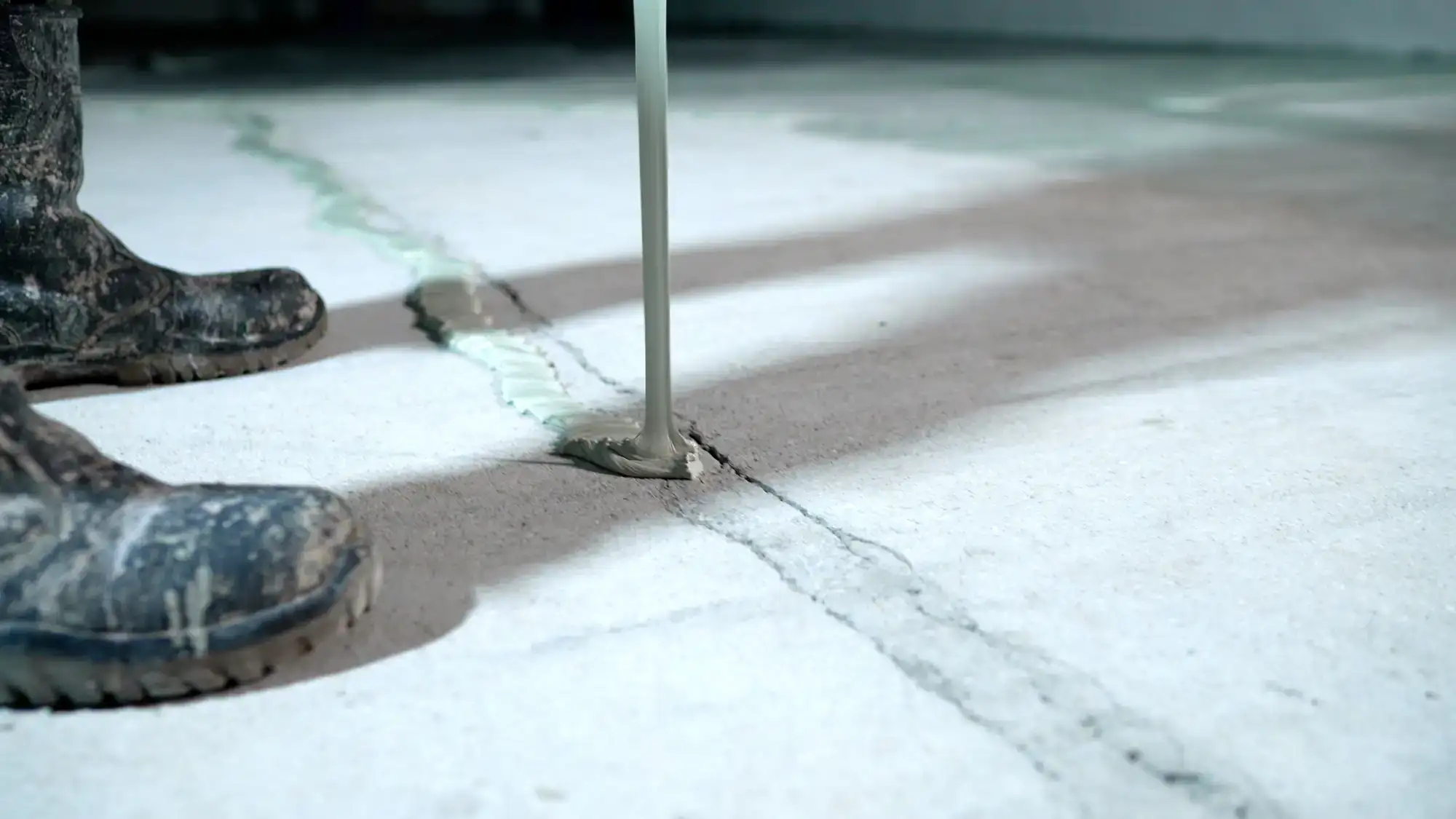
The repair itself uses methods built for Florida conditions. For sunken or voided slabs, polyurethane foam injection fills the void, lifts the slab back to level, and has the surface ready to use in as little as 15 to 30 minutes compared to the 24 to 48 hour wait that older mudjacking methods require. After the work is done, you’ll get a follow-up call to confirm everything is performing the way it should.

Concrete crack being sealed by professional repair in Altamonte Springs, FL.

Driveway and Slab Repair Services Minneola

Every Masonry Problem on Your Property, Handled in One Scope

Concrete repair in Minneola covers more ground than most people expect when they first call. Driveways are the most common starting point cracking at the grade transition, settlement at the garage apron, surface spalling from Florida’s heat and UV exposure. But on Minneola’s hillside lots, the driveway is rarely the only issue. Retaining walls take on lateral soil pressure year-round, especially after the wet season. Patios settle away from the house. Pool decks develop voids underneath exactly the kind of subsurface problem documented in real Minneola cases, where a large void had formed beneath a concrete pool deck without any obvious surface warning.

We handle all of it: driveways, patios, pool decks, retaining walls, sidewalks, garage floors, and structural crack repair. That full-scope capability is particularly useful for homeowners in the Hills of Minneola CDD and other HOA-governed communities, where exterior work needs to meet community standards, match existing finishes, and come with proper licensed contractor documentation. Hiring a contractor who can’t produce those credentials puts you at risk of fines and forced removal of completed work neither of which is a position you want to be in.

For homeowners in the Del Webb Minneola area or the luxury estates near Sugarloaf Mountain, finish quality and material matching are just as important as structural performance. We bring both.

Close-up of textured concrete surface with contrasting colors.

Is my settling concrete in Minneola a sinkhole, or normal cracking?

This is one of the most common questions in Lake County, and it’s a fair one. The karst limestone geology beneath Minneola and the surrounding Clermont area does create elevated sinkhole risk compared to other parts of Florida so the concern isn’t irrational. That said, most settling concrete in Minneola is caused by something far more routine: water erosion beneath the slab, poor compaction in the original base, or the normal settlement process that affects new construction in its first few years.

The distinction matters because the response is completely different. Routine settlement cracking or a voided slab can be stabilized with polyurethane foam injection a fast, minimally invasive repair. A subsurface void that suggests karst activity warrants a different kind of investigation before any surface repair happens. When we assess a settling slab in Minneola, that distinction is part of the evaluation. If something looks like it goes beyond a standard repair, you’ll hear that not a sales pitch for the most expensive fix on the menu.

Minneola has its own municipal Building Department, and permits are required for concrete or masonry work that affects structures, drainage, or the building envelope. That covers more projects than most homeowners expect retaining walls, significant slab repairs, and any work that changes how water moves on your property will typically trigger a permit requirement.

What makes Minneola’s process slightly different from some neighboring cities is the HOA Awareness form that’s part of the permit application. The city itself built HOA compliance into the permit process, which tells you something about how common HOA-governed properties are here. For homeowners in Hills of Minneola or any other CDD or HOA community, that form isn’t just a formality it’s your documentation that the work was done by a licensed contractor following community standards. We handle the permit process, including that form, so you’re not navigating it on your own.

The short answer is terrain and water. Minneola sits on some of the highest ground in peninsular Florida, and that elevation creates drainage patterns that flat-terrain communities simply don’t deal with. When it rains and Florida delivers 60 to 70 percent of its annual rainfall between May and October that water moves fast on a sloped lot. It concentrates at the base of grades, at retaining wall footings, and at the transitions between concrete and landscaping. Over time, it erodes the soil beneath slabs and creates the voids that cause settlement and cracking.

The karst limestone geology underneath Lake County adds another layer to this. Limestone dissolves slowly when exposed to acidic groundwater, which can create subsurface voids that cause surface movement. That process is slower and less dramatic than a true sinkhole event, but it contributes to the settlement patterns that Minneola homeowners see more often than residents in surrounding areas. Understanding the terrain is the first step to understanding why the concrete is cracking and what kind of repair will actually hold.

In most cases, yes and the approval process matters more than a lot of homeowners realize until they skip it. HOA-governed communities in Minneola, including the Hills of Minneola CDD, typically require that exterior concrete and masonry work meet specific aesthetic standards: matching existing finishes, approved materials, and sometimes pre-approval from the architectural review committee before work begins.

The practical risk of skipping that step is real. If a contractor does the work without HOA approval and the result doesn’t meet community standards, you can face fines and be required to have the work removed and redone at your own expense. We understand the HOA documentation process what the approval request needs to include, what licensed contractor credentials the HOA requires, and how to produce work that meets community standards the first time. That’s not a minor convenience. In a CDD community, it’s the difference between a smooth project and a dispute with your board.

Polyurethane foam injection sometimes called polyjacking is a method for lifting and stabilizing sunken concrete slabs by injecting expanding foam into the void beneath them. The foam fills the empty space, lifts the slab back to level, and cures fast enough that the surface is typically ready to use within 15 to 30 minutes. Compare that to traditional mudjacking, which pumps a heavy soil-and-cement slurry beneath the slab and requires 24 to 48 hours of curing before the surface can be used.

For Minneola specifically, the material difference matters beyond just convenience. Mudjacking uses a slurry that adds significant weight to the base and can wash out over time particularly on sloped lots where water movement is more aggressive. Polyurethane foam is lightweight, water-resistant, and doesn’t erode the way a soil-based fill can. On a hillside property near Sugarloaf Mountain or along the grade changes common throughout Hills of Minneola, that durability difference is meaningful. It’s not that mudjacking never works it’s that it wasn’t designed for the drainage conditions Minneola homeowners deal with.

October through April is the window most experienced contractors will point to, and there are real reasons for it. Florida’s rainy season runs May through October, and in Minneola’s hilly terrain, that rainfall is more erosive and more damaging to fresh repair work than it would be on flat ground. Scheduling concrete repair during the dry season gives the repair materials the best conditions to cure properly, and it lets you assess the full extent of any damage that accumulated over the summer before work begins.

That said, October and November tend to book up fast in the Lake County market homeowners who spent the summer watching a crack or a settled slab finally make the call once the rain stops. If you’re planning work in the Hills of Minneola area or anywhere near the active Turnpike widening corridor on Hancock Road, getting on the schedule early in the fall is worth doing. Emergency repairs a retaining wall showing fresh movement after a storm, a slab that’s become a safety hazard don’t wait for the dry season, and we handle those as well.

Other Services we provide in Minneola