Masonry Contractor in Winter Springs, FL

Tuscawilla Homes Deserve More Than a Patch Job

Winter Springs masonry that holds up through rainy season and looks right when the HOA comes around.
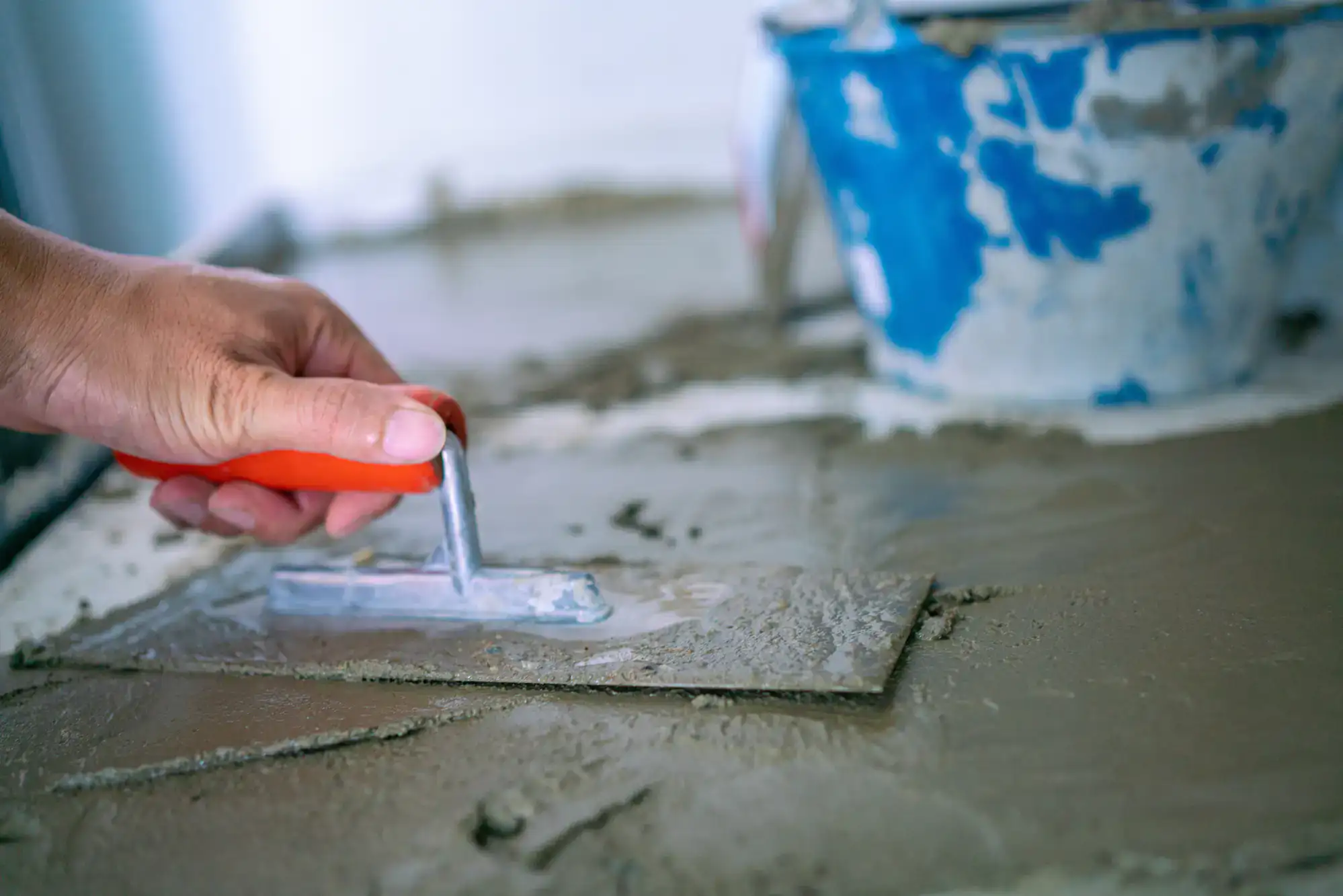
Trowel spreading concrete for masonry work in Altamonte Springs, FL.

Hear From Our Clients

[Add Trustindex Slider Here]
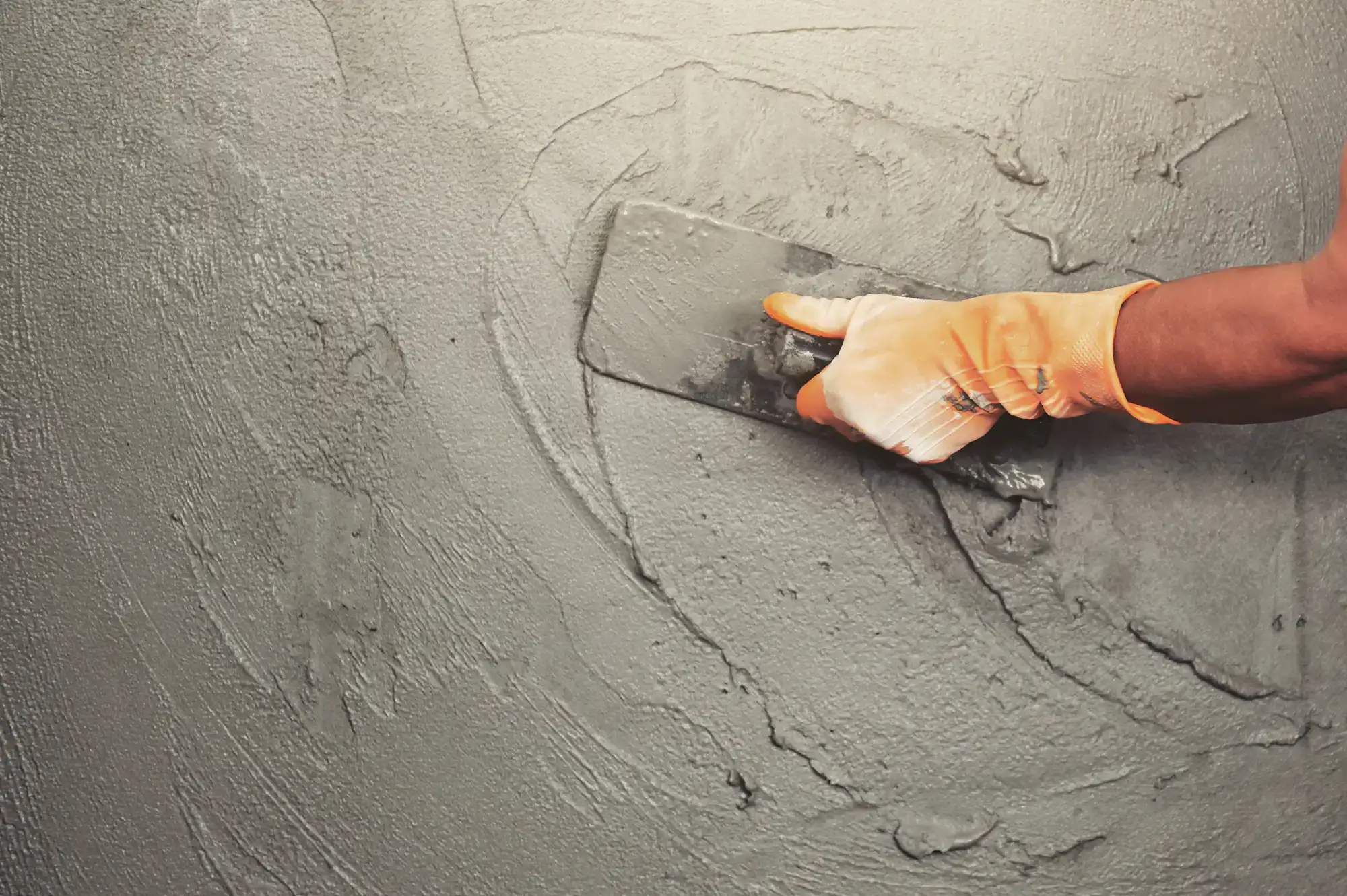
Person smoothing concrete surface with trowel for masonry work.

Masonry Repair in Winter Springs

What Changes When the Work Is Done Right

Most masonry problems in Winter Springs don’t start with a disaster. They start with a crack you’ve been meaning to deal with, a mortar joint that’s gone soft, or a retaining wall that shifted just enough to notice. The issue isn’t urgency it’s that every rainy season from May through October pushes more water into that gap, and what costs a few hundred dollars to fix today can cost several thousand by the time you actually call someone.

The homes throughout Winter Springs especially in Tuscawilla and the surrounding subdivisions were built primarily between the 1970s and late 1990s. That means a significant portion of the masonry here is anywhere from 25 to 50 years old. Mortar joints aren’t designed to last forever. In Central Florida’s heat and humidity, they often give out faster than homeowners expect. When yours go, water finds a way in, and the damage compounds quietly behind the surface.

What you get after proper masonry work isn’t just a wall that looks better. It’s a wall that keeps moisture out, holds its structural integrity, and doesn’t embarrass you at the next HOA walkthrough. For a home valued at $435,000 or more, that’s not a cosmetic upgrade it’s protecting what you’ve already invested.

Masonry Contractors Serving Seminole County

Licensed, Local, and Accountable After the Job

We’re a licensed masonry contractor serving Winter Springs and the broader Seminole County area. Every project comes with a written estimate before any work begins, a clear timeline, and a follow-up call after the job is done not because it sounds good on a website, but because that’s how you make sure the work actually held up.

Winter Springs has a visible cautionary tale in its own backyard. A locally based masonry contractor operating out of the 32708 zip code currently holds an F rating with the BBB, with documented complaints involving large deposits and unfinished work. That’s not a rare story in this industry. It’s exactly why written estimates, proper licensing, and real communication matter more than a low quote.

We’re fully licensed under Florida’s masonry contractor certification requirements verifiable on the state’s DBPR database and we carry both general liability and workers’ compensation insurance. From the Tuscawilla community to the newer developments near the Winter Springs Town Center on SR 434, our work speaks for itself.

Worker smoothing freshly poured concrete with a trowel in construction site.

How Masonry Work Gets Done Here

No Surprises Here's Exactly What to Expect

It starts with an assessment. Before anything is quoted or scheduled, we evaluate the scope of work on-site what’s failing, why it’s failing, and what the right fix actually is. From there, you receive a written, itemized estimate. Not a ballpark. Not a verbal number that shifts when the invoice arrives. A written breakdown of materials, labor, and scope, so you know what you’re agreeing to before a single dollar changes hands.

Once the project is underway, you’re not left guessing. We use a project tracking process that keeps you informed at each stage when materials are arriving, when the crew is scheduled, and where things stand. In a city where a large portion of the workforce works remotely or in tech, you’re used to that kind of visibility. You shouldn’t have to accept less from a contractor.

One thing worth knowing if you’re planning ahead: masonry work in Central Florida is best scheduled outside the May through October rainy season. Fresh mortar needs time to cure properly, and Florida’s summer heat can cause it to set too fast if conditions aren’t managed correctly. If your project involves structural work a retaining wall, block construction, or anything attached to the building envelope it may also require a permit through the Winter Springs Building Division at 1126 East SR 434. We handle that process as part of the job. You won’t be navigating that on your own.

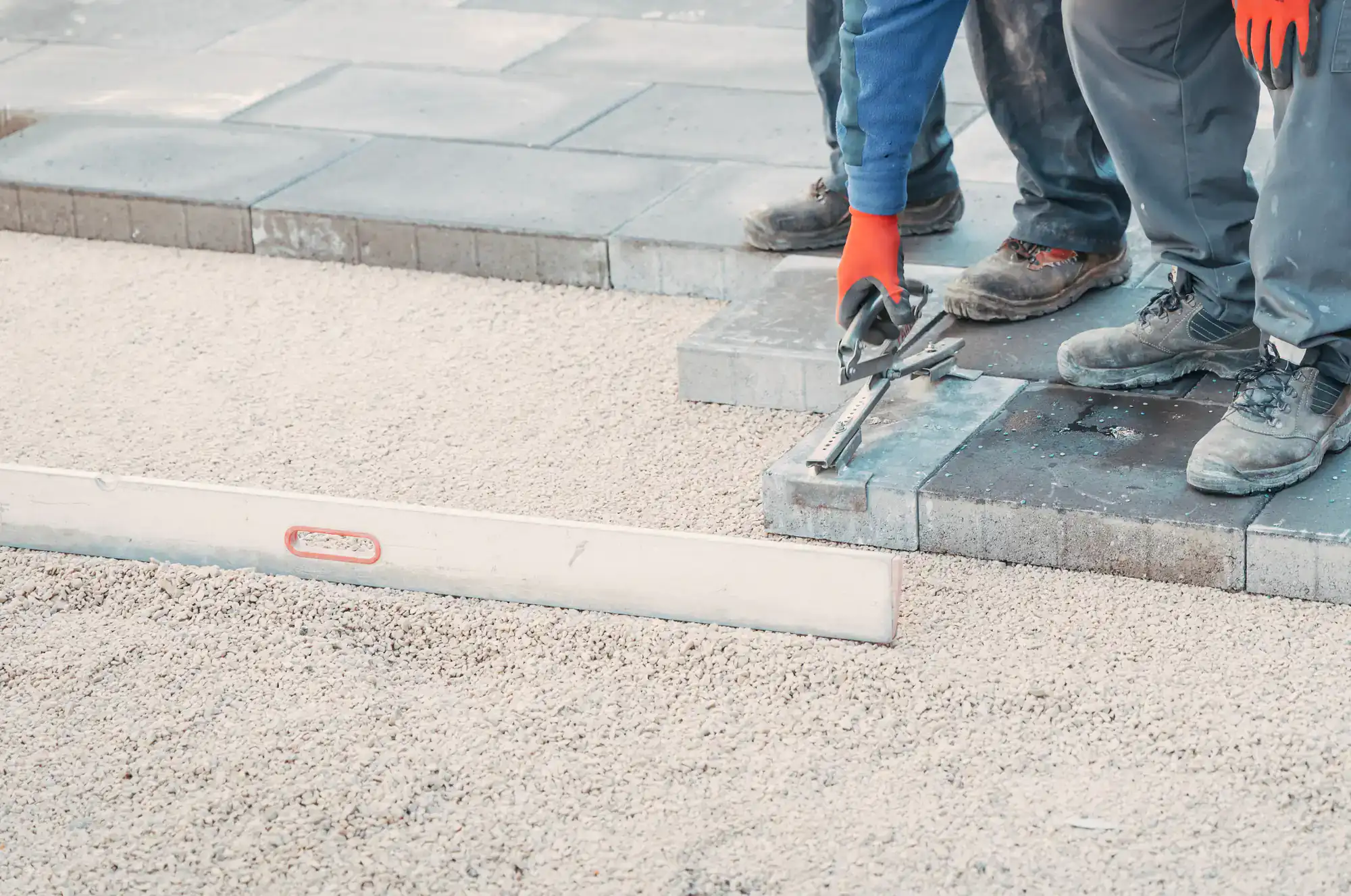
Workers installing pavers for a stone masonry project in Altamonte Springs, FL.

Masonry Work and Repair in Winter Springs

Every Masonry Need in the 32708 One Contractor

We handle the full range of masonry work brick repair and restoration, tuckpointing and repointing, concrete block repair, retaining wall construction and repair, decorative masonry, paver installation, chimney work, and new masonry construction. If it involves brick, block, stone, or mortar, it’s in scope.

For homeowners in Tuscawilla, Chelsea Woods, Parkstone, Winding Hollow, and the dozens of other HOA-governed subdivisions throughout Winter Springs, exterior masonry isn’t just a personal maintenance decision. It’s a compliance issue. When an HOA board sends a notice, you need a contractor who can provide a written estimate quickly, stick to a timeline, and deliver work that satisfies the association’s standards not just your eye. That’s a specific capability, and it’s built into how every project here gets handled.

The white chalky deposits you might see on a brick column or block wall that’s efflorescence, and it’s extremely common in Winter Springs due to the humidity and the constant wet-dry cycling that Florida’s climate creates. It’s not just cosmetic. It’s a sign that moisture is moving through your masonry. Addressing it early, with the right technique and the right mortar mix for Florida’s conditions, is significantly cheaper than addressing what happens if you don’t.

Masonry workers installing concrete pavers for a patio or walkway.

Do I need a permit for masonry work in Winter Springs, FL?

It depends on what the work involves. Surface-level repairs tuckpointing, repointing mortar joints, efflorescence treatment, cosmetic brick restoration generally don’t require a permit. But if the work touches structural elements, that changes. Retaining walls above a certain height, structural block wall construction, or masonry that’s part of the building envelope will typically require a building permit through the Winter Springs Building Division, located at 1126 East State Road 434.

This matters more than most homeowners realize. Work that requires a permit but doesn’t have one can’t be legally inspected, may create issues with your homeowner’s insurance, and can surface as a problem when you go to sell the property. We know the threshold and handle the permit application as part of the project scope when it’s required. You won’t be figuring that out on your own or finding out after the fact that something wasn’t done by the book.

The honest answer is that you need someone to look at it in person but there are signs that lean one way or the other. Horizontal cracking in a block or brick retaining wall is a serious indicator of structural stress, often caused by soil pressure or water buildup behind the wall. That typically points toward more significant intervention. Vertical cracking, spalling surface material, or deteriorating mortar joints without structural movement are more likely candidates for repair rather than replacement.

In Winter Springs, retaining walls take a beating from the rainy season. Six months of near-daily rain from May through October, combined with the clay-heavy soil common in parts of Seminole County, puts real hydrostatic pressure on walls that weren’t built with adequate drainage behind them. What looks like a surface problem is sometimes a drainage problem underneath. A proper assessment looks at both. We evaluate the full picture before recommending a course of action because recommending a replacement when a repair will do doesn’t serve you.

Tuckpointing is the process of removing deteriorated mortar from the joints between bricks or blocks and replacing it with fresh mortar. It’s one of the most common and cost-effective masonry repairs there is, and for homes in Winter Springs built between the 1970s and 1990s, it’s often overdue. Mortar joints have a designed lifespan of roughly 20 to 30 years under normal conditions. Central Florida’s heat and humidity can shorten that timeline.

The visual cues are usually pretty clear: mortar that’s crumbling, recessed, or pulling away from the brick face; gaps you can see or probe with a finger; or efflorescence those white salt deposits appearing on the wall surface. If your home is more than 25 years old and the mortar has never been addressed, it’s worth having someone look at it. The cost of tuckpointing a section of wall is a fraction of what brick replacement or water damage remediation costs after moisture has been infiltrating for a few more rainy seasons.

Florida requires masonry contractors to hold a state Certificate of Competency or be State Registered to legally perform masonry work and pull building permits. That license is publicly verifiable anyone can look up a contractor’s license number on the Florida DBPR website at DBPR.MyFloridaLicense.com. If a contractor can’t give you a license number to verify, that’s a problem, not a detail.

Beyond licensing, the things that protect you most are straightforward: a written estimate before any deposit, proof of general liability insurance and workers’ compensation coverage, and a clear scope of work that doesn’t leave room for “we found more damage” surprises mid-project. The BBB database for Winter Springs includes a locally based masonry contractor with an F rating and documented complaints including a case involving a $14,000 deposit on a project that allegedly wasn’t completed as agreed. That’s a real, local cautionary tale. Written documentation and verifiable credentials aren’t overkill. They’re the baseline.

The short answer is November through April. Central Florida’s dry season creates the best conditions for masonry work lower humidity, reduced rainfall, and more moderate temperatures all support proper mortar curing. During the rainy season from May through October, fresh mortar is vulnerable to being washed out before it sets, and summer temperatures that regularly exceed 90 degrees Fahrenheit can cause mortar to flash-set drying too fast before it bonds properly to the surrounding material. That’s a real quality risk, not just a scheduling inconvenience.

That said, not every project can wait for ideal conditions, and we work year-round. When summer work is necessary, our experienced crews manage it with proper scheduling around forecast windows, protective tarps, and mortar formulations suited to Florida’s heat and humidity. The key is that these adjustments get made not ignored because it’s easier to push forward. If you know you have masonry work coming up, booking in the fall or early winter puts you ahead of the spring rush and gives your project the best possible conditions.

It varies significantly depending on what’s involved, but here’s a realistic range to work from. Tuckpointing or repointing a section of brick or block wall typically runs between $500 and $2,500 depending on the size of the area and the accessibility of the surface. Retaining wall repair can range from $1,000 for localized patching to $8,000 or more for larger structural repairs. New masonry construction columns, walls, decorative features is priced by scope and materials, and can range from a few thousand dollars to significantly more for larger projects.

What drives cost more than anything else is how long the problem has been left alone. A mortar joint that needed $400 worth of repointing two rainy seasons ago can turn into a $3,000 repair once water has worked its way into the block behind it. For homeowners in Winter Springs with homes valued above $435,000, the math on early repair versus deferred repair is rarely close. We provide written, itemized estimates so you know exactly what you’re looking at before committing no verbal quotes that shift, no line items that appear after the work starts.

Other Services we provide in Winter Springs