Masonry Contractor in Winter Park, FL

Winter Park Brick Doesn't Forgive a Bad Contractor

When your mortar is failing, your brick is spalling, or something just looks off you need a masonry contractor in Winter Park who actually knows what they’re looking at.
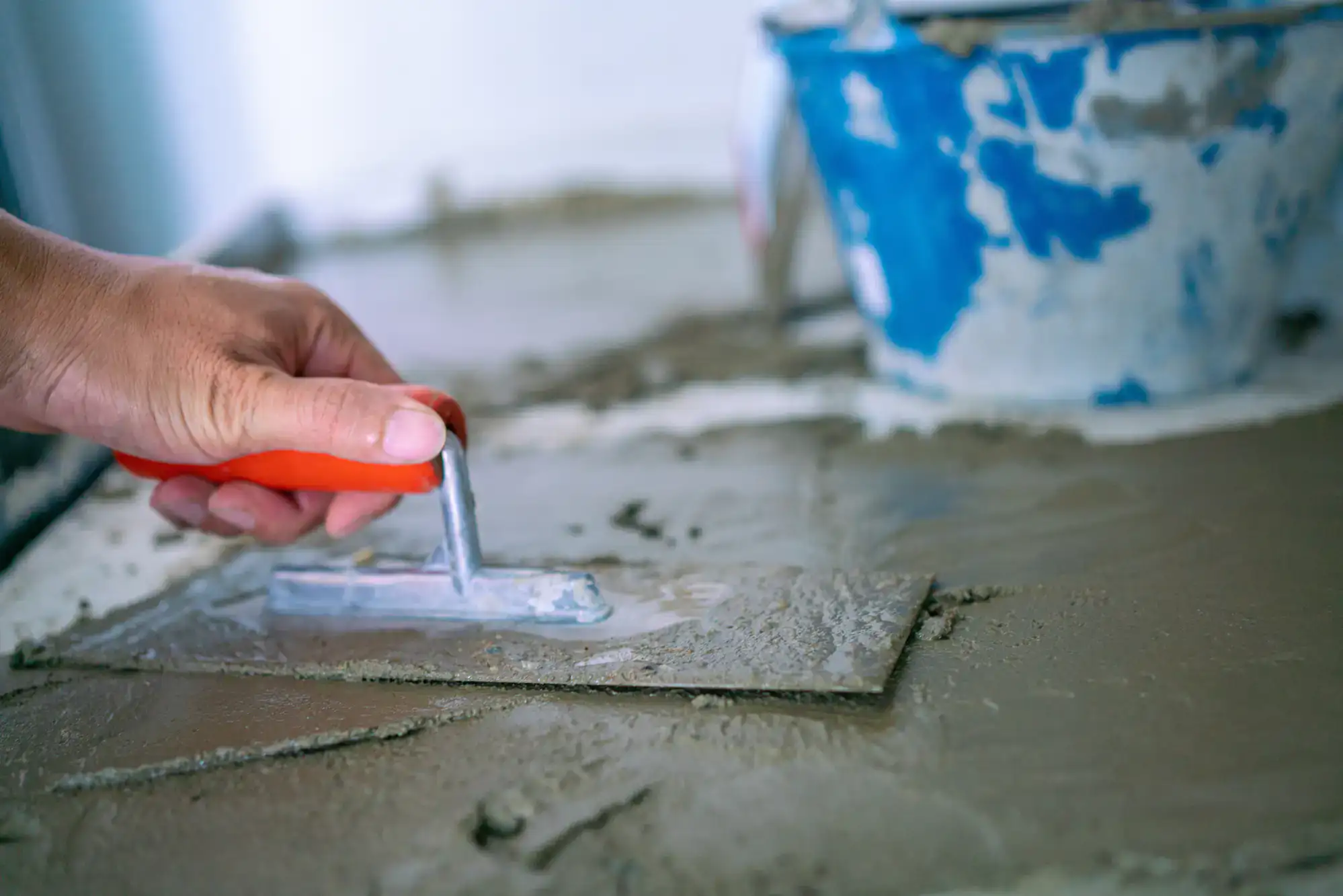
Trowel spreading concrete for masonry work in Altamonte Springs, FL.

Hear From Our Clients

[Add Trustindex Slider Here]
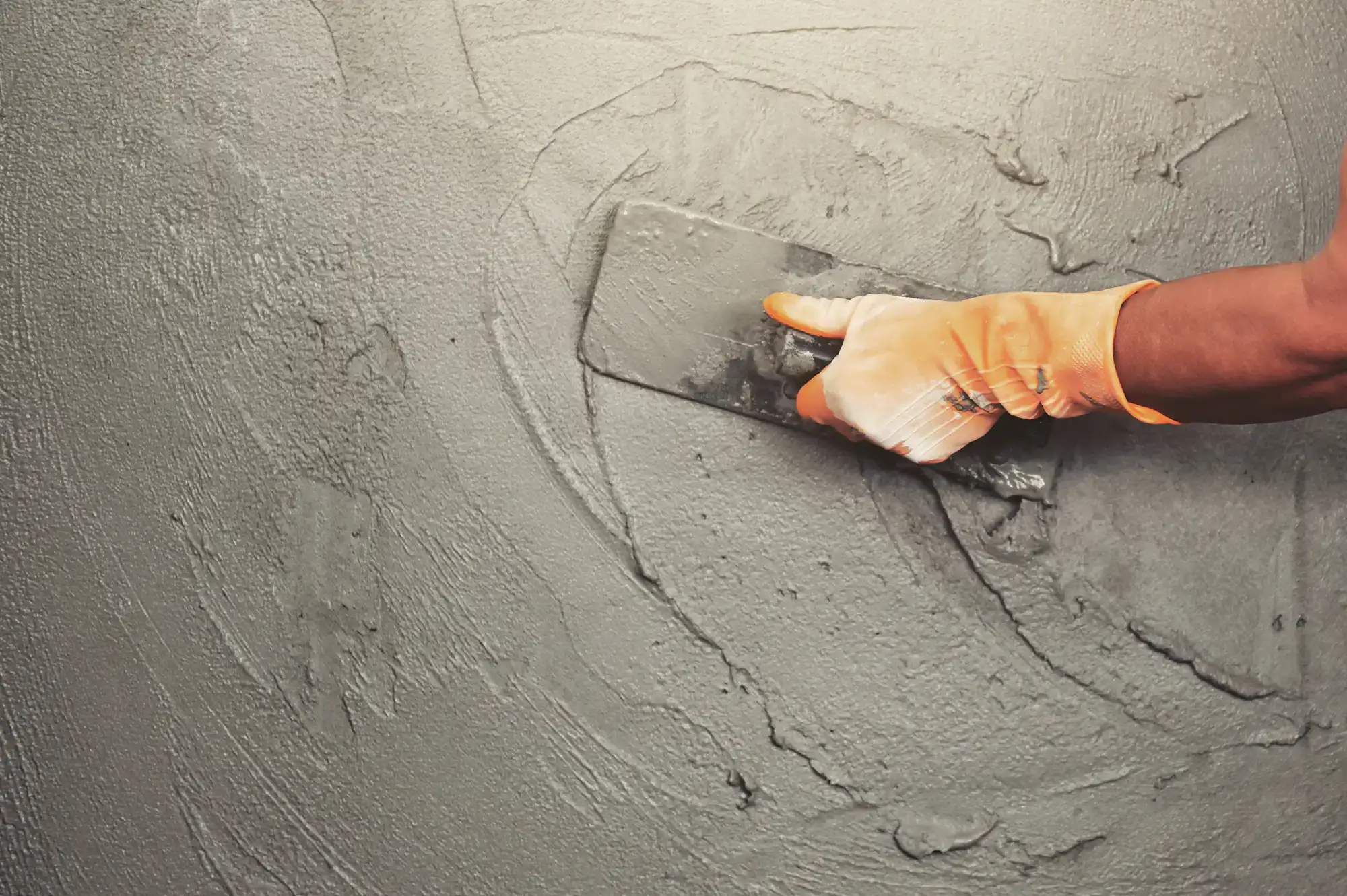
Worker smoothing freshly poured concrete with a trowel in construction site.

Masonry Repair in Winter Park

What Changes When the Masonry Is Done Right

A cracked mortar joint doesn’t stay a cracked mortar joint. Winter Park’s climate where the rainy season dumps the majority of the year’s rainfall between May and October, and the Chain of Lakes keeps ambient humidity elevated year-round means water finds every gap. What starts as a hairline joint opens up, moisture works its way in, and within a season or two you’re dealing with spalling brick, efflorescence, or interior water intrusion. Getting it repaired correctly the first time isn’t just about appearances. It’s about stopping a slow, expensive process before it compounds.

For homeowners in established Winter Park neighborhoods like Rose Isle or near the Park Avenue corridor, there’s another layer to this. Many of these homes were built in the 1950s and ’60s meaning original mortar joints are now 60 to 70 years old. That’s well past the point where they’re holding up on their own. Properly matched tuckpointing on a mid-century brick home doesn’t just protect the structure it keeps the character intact. Bright white mortar on aged brick stands out like a scar. The right contractor matches the color, matches the texture, and leaves work that looks like it was always there.

And for properties near Winter Park’s lakes Osceola, Virginia, Maitland the moisture exposure is genuinely different from an inland lot. Seawall proximity, ground saturation, and elevated humidity demand materials and techniques suited for that environment. That’s not a detail every masonry contractor in Central Florida thinks about. It should be.

Winter Park Masonry Company

The Standard Here Is Higher We Know That

Winter Park isn’t a market where homeowners accept mediocre work and move on. This is a city with a Historic Preservation Board, a permitting department that operates independently from Orange County, and neighborhoods where a mismatched mortar joint gets noticed. We operate in that environment with full awareness of what it demands.

We’re registered with the City of Winter Park’s Building and Permitting Services Department meaning we can pull permits, pass inspections, and handle work on properties that require a Certificate of Review from the Historic Preservation Board. That matters on older homes near Hannibal Square, along the Park Avenue corridor, or anywhere your property sits within or near the historic district. Unpermitted masonry work in Winter Park isn’t just a code issue it can surface during a home sale and become a serious problem.

We serve homeowners, property managers, and businesses throughout Orange County. If you want masonry work done to the standard Winter Park actually expects, that’s exactly what we’re set up to deliver.

Person smoothing concrete surface with trowel for masonry work.

Masonry Work in Winter Park, FL

No Guesswork Here's Exactly How This Goes

It starts with a straightforward assessment. We look at what you have whether it’s failing mortar joints, spalling brick, a damaged retaining wall, chimney deterioration, or something that cracked after ground movement and we tell you what’s actually going on. In Winter Park, that assessment includes looking at whether the damage is cosmetic or structural, because the city’s karst limestone terrain means ground settling is a real factor here. The 1981 Winter Park Sinkhole isn’t just local history it’s a reason stair-step cracking in a masonry wall gets taken seriously before anyone picks up a trowel.

From there, you get a written, itemized estimate. Not a ballpark. Not a verbal number that shifts once the work starts. A document that lays out scope, materials, and cost before anything begins. If the project requires a permit and many structural masonry jobs in Winter Park do we handle that process through the City’s Building and Permitting Services Department. You don’t have to navigate that on your own.

Once work is underway, you can track where things stand. Central Florida’s rainy season runs May through October, and if weather creates a delay, you’ll know about it before you’re wondering what happened. When the job is done, we follow up not to ask for a review, but to confirm the work is right and you’re satisfied with what you got.

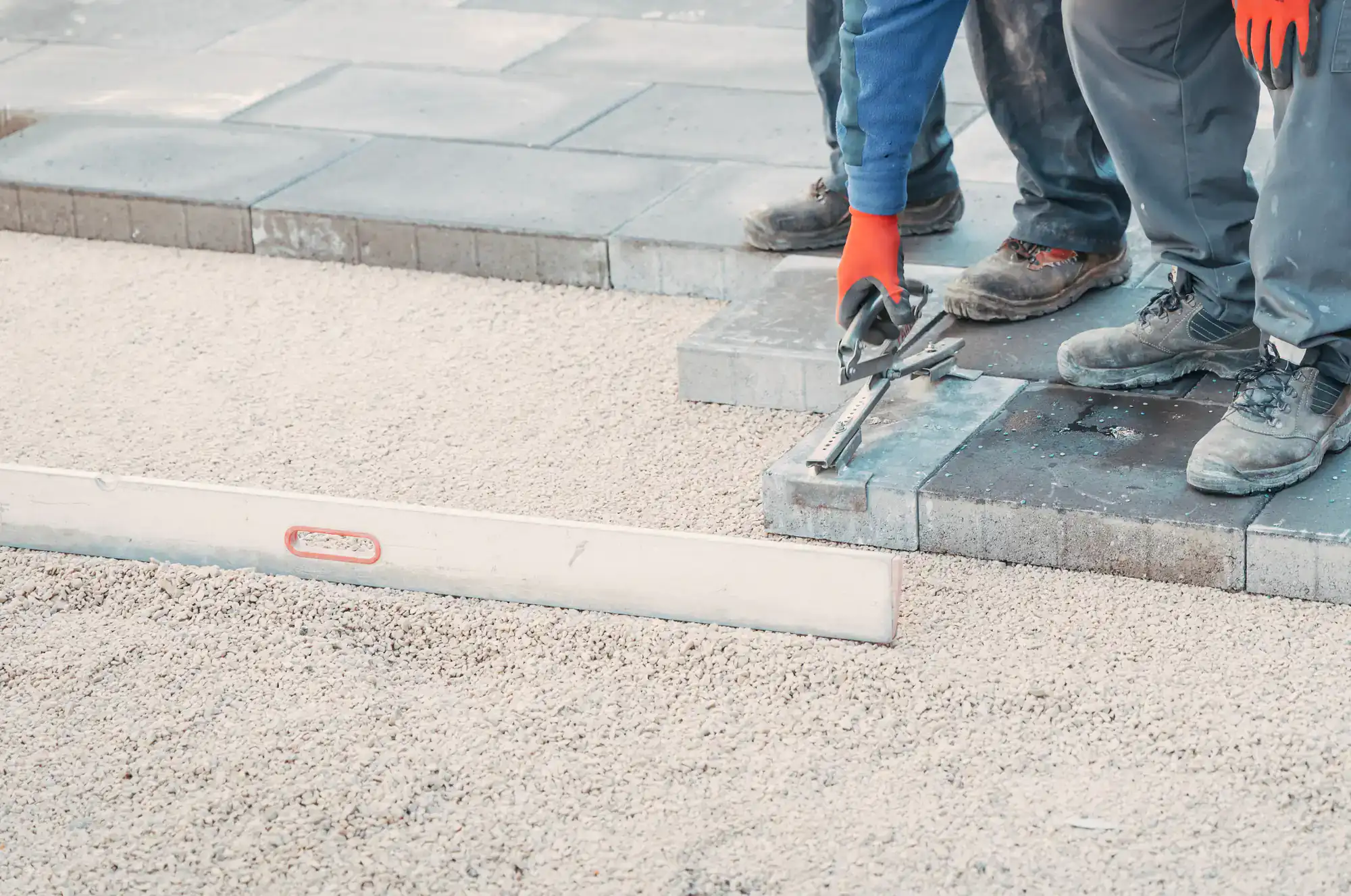
Workers installing pavers for a stone masonry project in Altamonte Springs, FL.

Masonry Contractors Near Winter Park

Every Masonry Job Winter Park Homes Actually Need

We handle the full range of masonry work tuckpointing and repointing, brick repair and replacement, retaining walls, chimney and fireplace masonry, stone installation, concrete block work, paver installation, and custom outdoor masonry features. That range matters in a city like Winter Park, where the housing stock spans mid-century brick homes in need of mortar restoration, luxury lakefront properties with custom stonework, and historic buildings that require period-appropriate materials and techniques.

For homes in or near the Winter Park historic district, mortar matching is part of the process not an add-on. We source close-match materials and blend courses so repairs don’t announce themselves. The City of Winter Park’s Historic Preservation Board requires a Certificate of Review for exterior alterations on registered properties, and we’re familiar with that process. If your home falls under that review, we can walk you through what’s required before work begins.

For lakefront properties along the Chain of Lakes, we account for the moisture environment in both material selection and staging. Erosion control requirements apply to projects near Winter Park’s lakes, and we handle that as part of the job not as an afterthought. Whether you’re dealing with a straightforward repair on a Windsong estate or a full masonry restoration on a 1950s home near Lake Virginia, the approach is the same: assess it correctly, price it transparently, and do the work right.

Masonry workers installing concrete pavers for a patio or walkway.

Does masonry work in Winter Park require a permit from the city?

It depends on the scope, but in many cases yes. The City of Winter Park operates its own Building and Permitting Services Department, separate from Orange County’s permitting system. Structural masonry work, retaining walls above certain heights, and projects involving land disturbance near the lakes typically require a permit pulled through the City directly, not through the county.

Before a permit can be issued, the contractor must be registered with the City of Winter Park which requires a State of Florida masonry contractor license, general liability insurance, and workers’ compensation coverage listed with the City as additional insured. If a contractor you’re considering can’t confirm they’re registered with the City of Winter Park specifically, that’s worth asking about before you sign anything. Unpermitted work can create real complications when it comes time to sell your home or file an insurance claim.

The most common signs are visible mortar joint deterioration crumbling, recessed, or missing mortar between bricks along with spalling (where the face of the brick itself starts to flake or pop off), efflorescence (white salt deposits on the surface), and stair-step cracking in the wall. Any of these warrant a closer look.

In Winter Park, there’s an additional factor worth understanding. The city sits on Florida’s karst limestone terrain, which means ground movement is a real and ongoing consideration. Stair-step cracking in a masonry wall where cracks follow the mortar joints in a diagonal pattern can be a sign of foundation settling or ground shift rather than simple weathering. That distinction matters because the repair approach is completely different. A cosmetic repointing job won’t fix a structural problem. Getting an honest assessment of the cause before committing to a repair scope is the right first step, and it’s how we approach every job.

Florida’s rainy season runs from May through October, and Winter Park’s Chain of Lakes geography keeps humidity elevated even outside that window. For masonry, that means two things: accelerated deterioration of aging mortar joints, and increased efflorescence on brick and block surfaces. Moisture cycling repeated saturation and drying is one of the primary drivers of mortar breakdown and brick spalling over time.

It also affects how masonry work gets done. Mortar needs adequate cure time, and high humidity slows that process. In summer heat Central Florida regularly exceeds 90 degrees with sustained wind, which triggers hot weather masonry protocols mortar can actually dry too fast if it’s not managed correctly, resulting in weak bond strength. Contractors who don’t adjust their mix ratios and curing approach for Florida’s conditions are cutting corners whether they realize it or not. The dry season, roughly November through April, is the optimal window for masonry work in Winter Park. If you have a project in mind, scheduling during that window gives you the best conditions and the most predictable timeline.

Yes, but there are specific requirements that apply. Winter Park’s Downtown Historic District is listed on the National Register of Historic Places, and the City’s Historic Preservation Board administers a Certificate of Review process for additions and alterations to registered historic properties. If your home is on the Winter Park Register of Historic Places, or within the historic district, exterior masonry alterations including repair and repointing may require that review before work begins.

The practical implication is that not just any masonry contractor is equipped for this. The Historic Preservation Board cares about materials compatibility meaning mortar color, texture, and composition need to match the original as closely as possible. Using a modern Type S mortar on an older brick that was originally set with a softer lime-based mortar can actually cause more damage over time, because the harder mortar transfers stress back into the brick rather than absorbing it. We understand these material distinctions and the City’s review process. If your property falls under historic preservation oversight, we can help you understand what’s required before any work is scoped or priced.

Tuckpointing typically runs between $5 and $25 per square foot depending on the extent of deterioration, the accessibility of the surface, and whether mortar matching is required. For an average residential project say, a chimney or a section of exterior wall you’re generally looking at somewhere in the $400 to $2,500 range. Larger or more complex jobs, particularly on older homes with significant joint deterioration across multiple elevations, can run higher.

In Winter Park, a few factors can influence where your project lands on that range. Homes in or near the historic district often require custom mortar matching, which adds time and material cost. Lakefront properties near the Chain of Lakes may require additional staging and erosion control measures. And if the work requires a permit through the City of Winter Park’s Building and Permitting Services Department, that adds a step to the process though it also means the work is inspected and documented, which protects you. We provide written, itemized estimates before any work begins, so you know exactly what you’re paying for and why.

Properties along Lake Osceola, Lake Virginia, Lake Maitland, and the other lakes in Winter Park’s interconnected chain face a moisture environment that’s genuinely more demanding than an inland lot. Year-round humidity, proximity to standing water, and seasonal saturation cycles accelerate efflorescence, mortar joint breakdown, and spalling on masonry surfaces. It’s not just about rain it’s about sustained moisture exposure that never fully goes away.

There are also practical considerations around how the work gets done near water. The City of Winter Park requires erosion control measures silt fencing, inlet protection, turbidity barriers for projects involving land disturbance near the lakes. That has to be in place and inspected before permits are issued. Staging equipment and materials near a seawall or lakefront landscaping also requires care that not every contractor thinks about in advance. We account for these conditions as part of the standard process on lakefront jobs material selection suited to high-humidity environments, proper erosion controls in place, and staging planned to protect what’s already there.

Other Services we provide in Winter Park