Masonry Contractor in Tangerine, FL

Tangerine's Older Homes Need Masonry That Handles Four Lakes and Constant Rain

Tangerine’s lakefront properties and established homes take a beating from Florida’s humidity and rain we handle the masonry work that actually holds up.
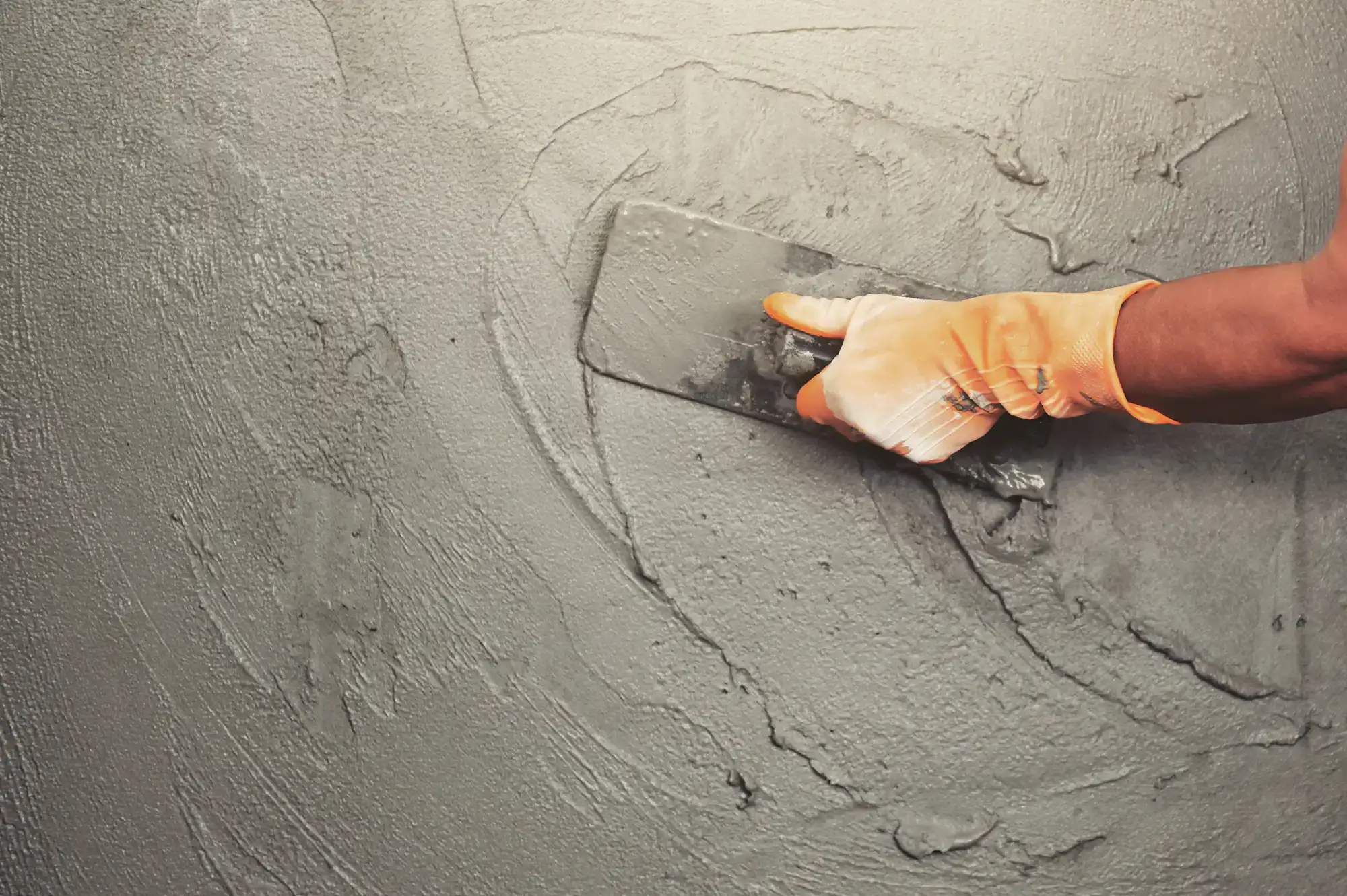
Worker smoothing freshly poured concrete with a trowel in construction site.

Hear From Our Clients

[Add Trustindex Slider Here]
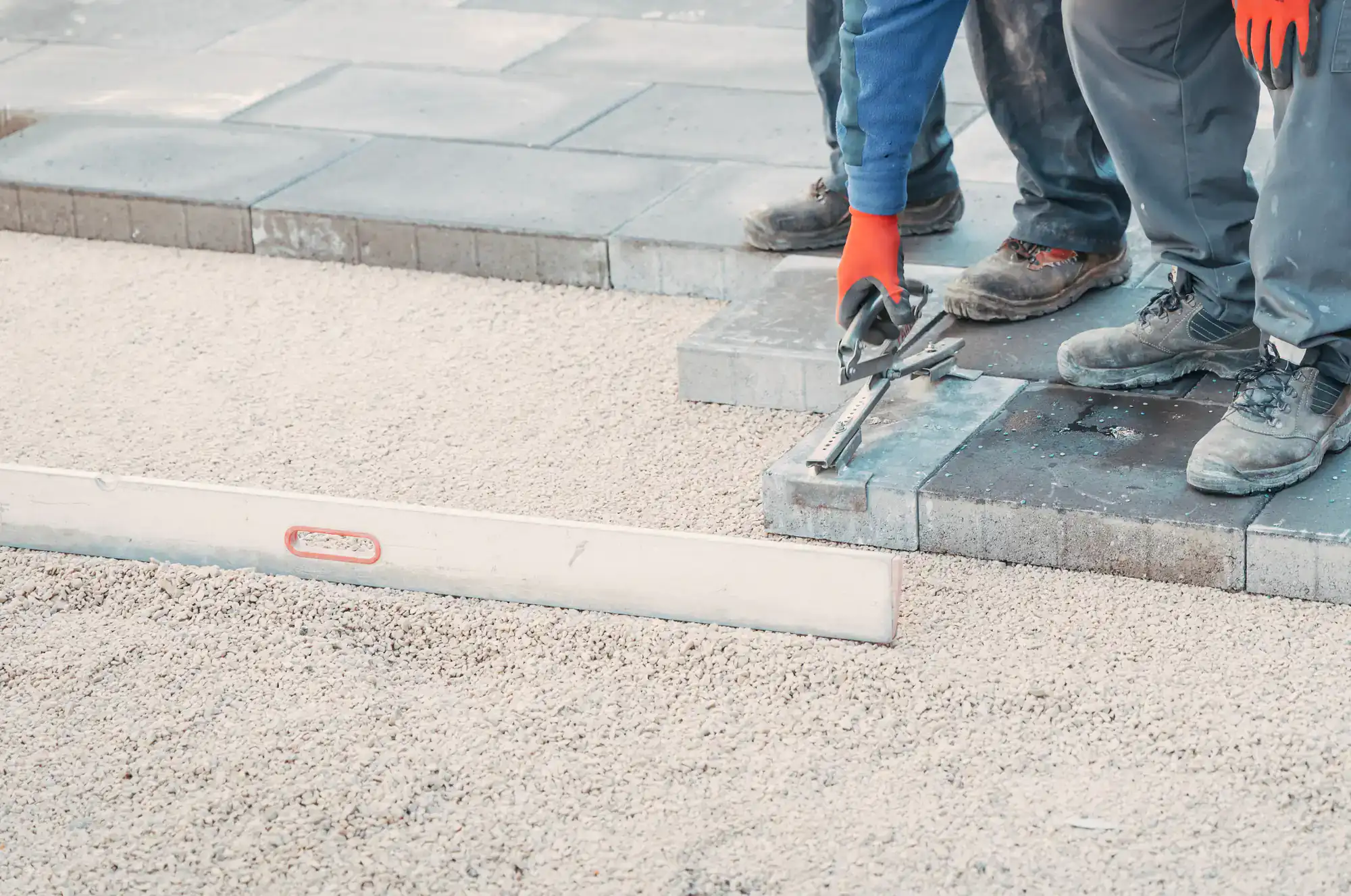
Masonry workers installing concrete pavers for a patio or walkway.

Masonry Repair Near Tangerine, FL

What Changes When the Masonry Is Done Right

When mortar joints are failing or a brick surface is spalling, the damage doesn’t pause while you figure out your next move. In Tangerine, where four lakes border the community and annual rainfall runs around 51 inches, moisture finds its way into compromised masonry faster than most homeowners expect. A crack that looks minor in April can let in enough water over one rainy season to quietly compromise a wall from the inside out.

Getting the work done correctly means you stop that cycle. Repointed joints seal out moisture. Repaired surfaces stop shedding material. A stabilized retaining wall stops shifting. The property looks the way it should and more importantly, it performs the way it should through the next summer storm season.

For homes along the Lake Ola corridor and the older residential core off US 441, that matters even more. Properties here have character and history. Proper masonry repair preserves both, rather than patching things in a way that looks out of place or fails again in two years. Done right, it’s one of the highest-return maintenance investments a Tangerine homeowner can make.

Masonry Contractors Serving Tangerine, FL

Licensed Work, Written Estimates, No Guesswork

We’re a masonry contractor serving Central Florida, including Tangerine and the northwest Orange County corridor along US 441. Every job comes with a written, itemized estimate before work begins not a ballpark number, not a verbal agreement. You know what you’re paying and why before anyone picks up a tool.

Because Tangerine is an unincorporated community in Orange County, all permitted masonry work runs through Orange County’s building department not a local city office. We hold the Florida state masonry contractor license required to pull those permits, which protects your property’s legal standing and keeps your home sale-ready down the road.

After the job is done, you’ll hear from us. A follow-up call confirms everything met expectations. That’s not standard practice in this industry but it should be.

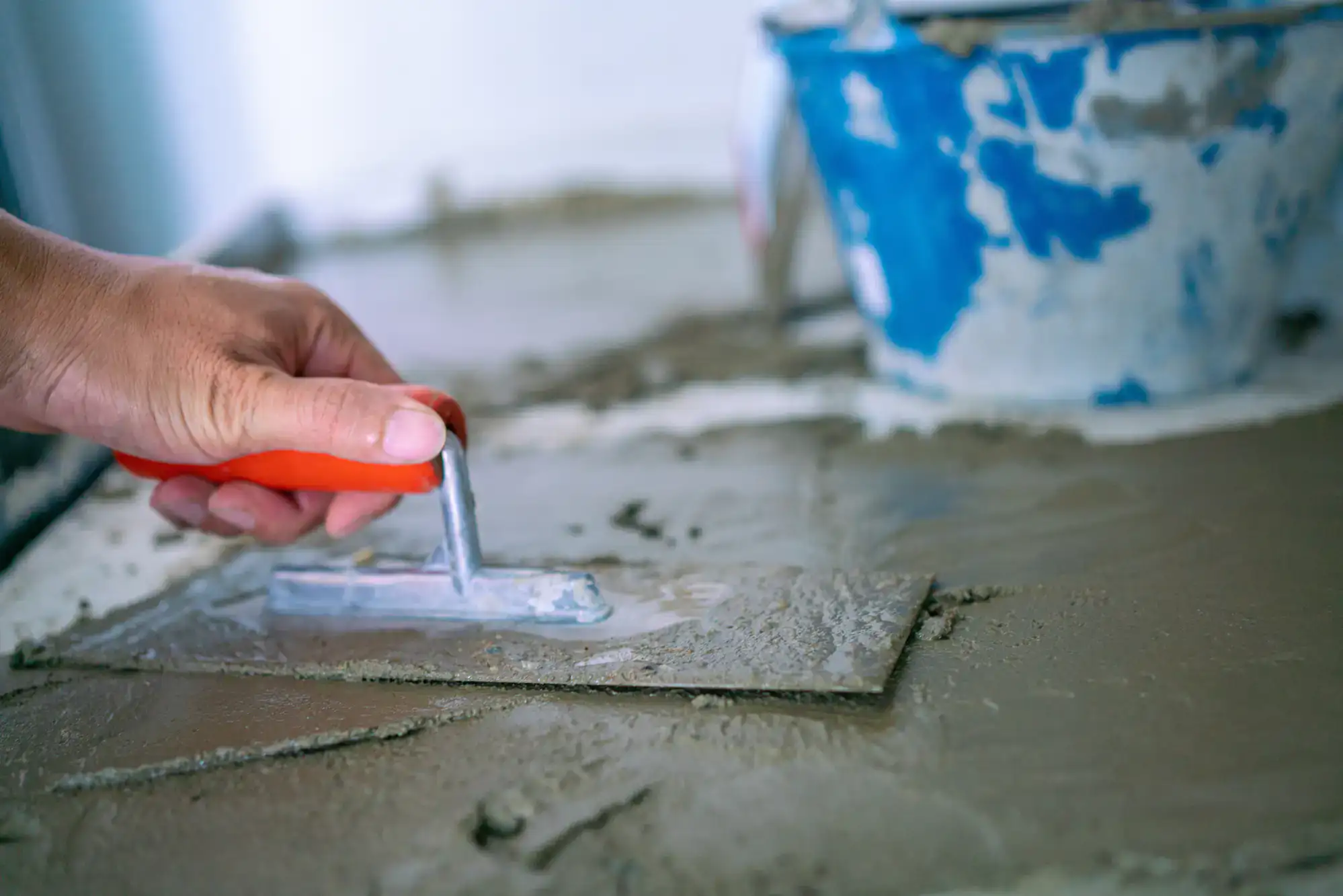
Person smoothing concrete surface with trowel for masonry work.

How Masonry Work Gets Done in Tangerine

From First Look to Finished Work Here's Our Process

It starts with a thorough assessment of the masonry in question. For older homes in the Tangerine area some dating back decades, with brick and block construction that’s been through hundreds of Florida rainy seasons that assessment isn’t a formality. It’s where we identify what’s actually failing, what’s still sound, and what the repair scope actually needs to be. You get a written estimate from that assessment, not a range with asterisks.

Once the scope is agreed on, scheduling accounts for Orange County’s permitting process where required, and for Tangerine’s weather patterns. With rain hitting roughly 112 days a year here, active masonry work gets planned around forecast windows and protected when conditions shift mid-project. Mortar needs time to cure properly rushing that in Florida’s heat and humidity produces work that fails early.

When the crew wraps up, the site is cleaned, the work is inspected, and you get a follow-up contact to confirm everything landed the way it should. If something needs attention, that’s the moment to say so not six months later when a small issue has had time to grow.

Trowel spreading concrete for masonry work in Altamonte Springs, FL.

Masonry Work and Repair in Tangerine, FL

Every Masonry Need on Your Property, One Crew

We handle the full range of masonry work tuckpointing and repointing, brick and block repair, spalling correction, retaining wall stabilization, efflorescence treatment, chimney repair, and new masonry construction. For Tangerine homeowners, that breadth matters. Large lots with multiple masonry elements entry pillars, garden walls, lakeside retaining structures, block foundations don’t need three separate contractors coordinating around each other.

Efflorescence is a particularly common issue near Tangerine’s lakes. That white, chalky residue on brick and block surfaces is a sign that moisture is moving through the masonry and depositing mineral salts on the way out. It’s treatable, but it requires understanding what’s driving the moisture not just cleaning the surface and calling it done. The same applies to spalling on older concrete block construction, which accelerates in Florida’s heat and humidity if the underlying cause isn’t addressed.

All work performed under Orange County’s permit requirements is handled with proper documentation, pulled by a licensed contractor as the code requires. If you’ve received bids from contractors who didn’t mention permits, that’s worth asking about unpermitted work in Orange County can create real problems when it comes time to sell or refinance.

Workers installing pavers for a stone masonry project in Altamonte Springs, FL.

Does masonry work in Tangerine require a permit from Orange County?

It depends on the scope of the work. Cosmetic repairs like minor tuckpointing or patching a small section of brick typically don’t require a permit. But structural work retaining walls, chimney repairs, block wall construction, or anything that affects the structural integrity of the building generally does require a permit through Orange County’s Division of Building Safety.

Because Tangerine is an unincorporated community, there’s no local city building department handling this. Everything goes through Orange County directly, via their Fast Track Online Services permitting portal. Only licensed contractors can pull those permits, which is one of the first things worth verifying when you’re comparing bids. Unpermitted structural masonry work discovered during a home inspection or title search can hold up a sale or trigger code enforcement action so it’s not a detail to skip over.

The honest answer is that most homeowners wait longer than they should, because deteriorating mortar doesn’t look dramatic until it’s already caused secondary damage. What you’re watching for is mortar that’s visibly cracking, crumbling, or recessed more than a quarter inch below the brick face. If you can scratch it out with a key or a screwdriver, it’s past due.

In Tangerine’s climate, that timeline moves faster than most people expect. With 51 inches of annual rainfall and a rainy season that runs nearly half the year, compromised mortar joints are actively admitting water every time it rains. Near the Lake Ola corridor, where ambient humidity stays elevated year-round, that moisture cycling is even more aggressive. A joint that looks minor in the dry season can be actively leaking by July. Getting it assessed before the rainy season starts ideally in the fall-to-spring window gives you options. Waiting until you see interior moisture damage means the repair scope has already grown.

That’s efflorescence mineral salts that get carried to the surface when water moves through masonry and then evaporates. The residue itself isn’t the problem; it’s the symptom. The problem is that water is actively migrating through your masonry, and the efflorescence is showing you where.

For properties near Tangerine’s lakes particularly along Lake Carlton and Lake Beauclaire this is a common issue because near-water environments keep ground moisture elevated and humidity high year-round. Cleaning the surface removes the visible deposit, but if the moisture source isn’t addressed, it comes back. A proper fix involves identifying where the water is entering, correcting the drainage or waterproofing issue, and then treating the masonry surface. In some cases, the mortar joints are the entry point and repointing solves it. In others, it’s a grading or drainage issue adjacent to the wall. Either way, surface cleaning alone is a temporary fix at best.

Costs vary based on scope, access, and the condition of the existing masonry, but here are some realistic ranges to work with. Tuckpointing and repointing typically runs $5–$25 per square foot depending on the extent of joint deterioration and the complexity of the mortar match. Brick repair for localized damage a cracked section, spalling on a wall face, or a damaged column generally falls between $500 and $2,500. More significant spalling correction covering a larger surface area can reach $3,500 or more.

What drives cost up in the Tangerine area specifically is the age of some of the housing stock. Older homes require careful mortar matching both in strength and color to avoid repairs that look patched or cause the surrounding masonry to deteriorate faster. Using a mortar that’s too hard in an older brick wall, for example, can actually cause the bricks themselves to crack over time. Getting the mix right takes more care, but it’s the difference between a repair that lasts and one that creates new problems.

It’s one of the most practical questions to ask before committing to a timeline. Tangerine gets around 51 inches of rain annually, with roughly 60–70% of that falling between May and October. Fresh mortar needs adequate cure time typically 24–48 hours without rain exposure at minimum and Florida’s afternoon storm pattern during summer makes that window unpredictable.

The practical implication is that the fall-to-spring window, roughly November through April, is the most reliable time to schedule masonry work in Tangerine. Projects started during the rainy season aren’t impossible, but they require weather contingency planning built into the schedule from the start protective coverings for active work, flexibility around forecast windows, and honest communication when a delay is the right call. A contractor who doesn’t mention any of this when you’re discussing timing is worth asking about it directly. Weather management is a real part of masonry project planning in Central Florida, not an afterthought.

Florida contractor licensing is public record. You can look up any contractor’s license status through the Florida Department of Business and Professional Regulation’s online database search by name or license number and you’ll see whether the license is active, what type it covers, and whether there are any disciplinary actions on file. It takes about two minutes and tells you more than any contractor’s website will.

For work in Tangerine specifically, this matters because the community sits right at the Orange-Lake county line. Some contractors operating out of Mount Dora just two miles north hold Lake County Certificates of Competency, which are a separate local credential from Florida’s state license. A Lake County certificate doesn’t automatically qualify a contractor to pull permits in Orange County, where Tangerine falls. If you’ve been comparing bids from contractors on both sides of the county line, it’s worth confirming that whoever you hire is licensed to perform permitted work specifically within Orange County’s jurisdiction. We hold the Florida state masonry contractor license, which covers work throughout the state including all of Orange County.

Other Services we provide in Tangerine