Masonry Contractor in Eatonville, FL

Historic Homes in Eatonville Deserve More Than a Patch Job

Eatonville’s housing stock is older, the summers are brutal, and the rainy season doesn’t wait. If your masonry is showing cracks, failing mortar, or moisture damage, a qualified masonry contractor who actually knows what they’re looking at makes all the difference.
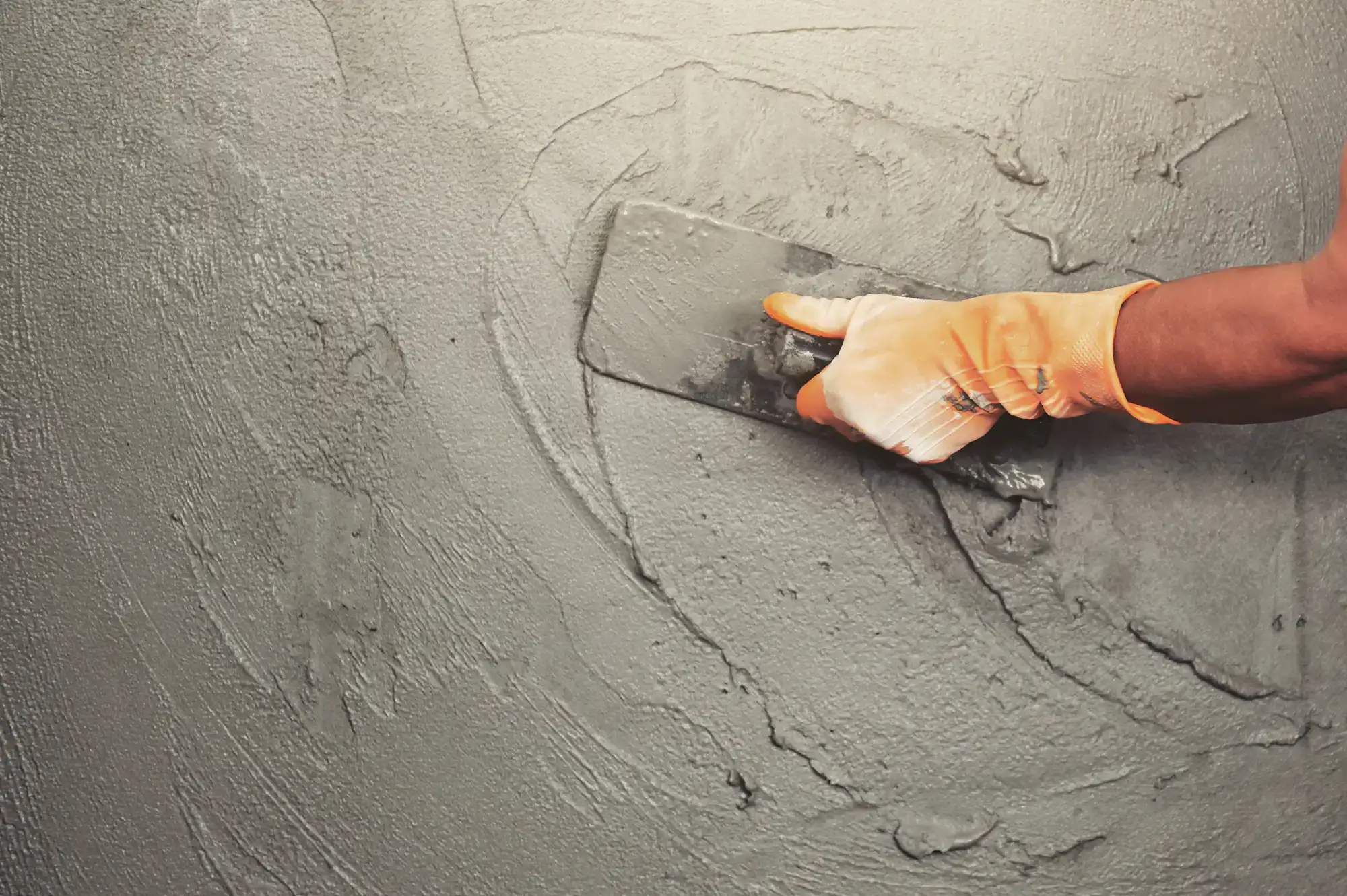
Person smoothing concrete surface with trowel for masonry work.

Hear From Our Clients

[Add Trustindex Slider Here]
Worker smoothing freshly poured concrete with a trowel in construction site.

Masonry Repair Near Eatonville, FL

What Changes When the Work Is Done Right

When masonry fails in Eatonville, it rarely fails all at once. It starts with a hairline crack in a brick foundation, a mortar joint that’s gone soft, or white salt deposits creeping across a block wall after a wet June. Most homeowners don’t call until the damage is obvious by then, what could have been a straightforward repair has turned into something significantly more involved.

Getting ahead of it or addressing it correctly the first time means your structure stays sound, your property value holds, and you’re not calling someone back six months later to fix what the last contractor missed. In Eatonville, where many homes date back to the mid-20th century, the masonry elements on those properties have been weathering Florida’s heat and humidity for decades. That’s not a criticism of the homes it’s just the reality of what older masonry in a subtropical climate looks like.

Eatonville averages over 42 inches of rain a year, with June alone bringing more than seven inches. That moisture cycle wet season, dry season, repeat is one of the primary drivers of mortar degradation and efflorescence in this area. Good masonry work accounts for that. It uses the right materials, addresses the actual source of failure, and leaves you with a repair that holds through the next rainy season and the one after that.

Masonry Company Near Eatonville, FL

Straight Answers, Written Estimates, No Guesswork

We are a masonry services company serving Orange County and the surrounding Central Florida area, including Eatonville and its neighboring communities. Every project starts with a written, itemized estimate not a verbal ballpark that shifts once work begins. You know what the job costs before anyone picks up a tool.

That matters everywhere, but it matters especially in Eatonville. This community has deep roots and a strong sense of what it deserves. Residents aren’t looking for the flashiest pitch they’re looking for a contractor who shows up, does honest work, and stands behind it. That’s what we’re built around: transparent pricing, real communication throughout the job, and a follow-up call after completion to make sure everything landed the way it should.

We handle everything from tuckpointing and brick repair to block wall construction and masonry restoration one contractor, one point of contact, no coordinating between three different companies for one property.

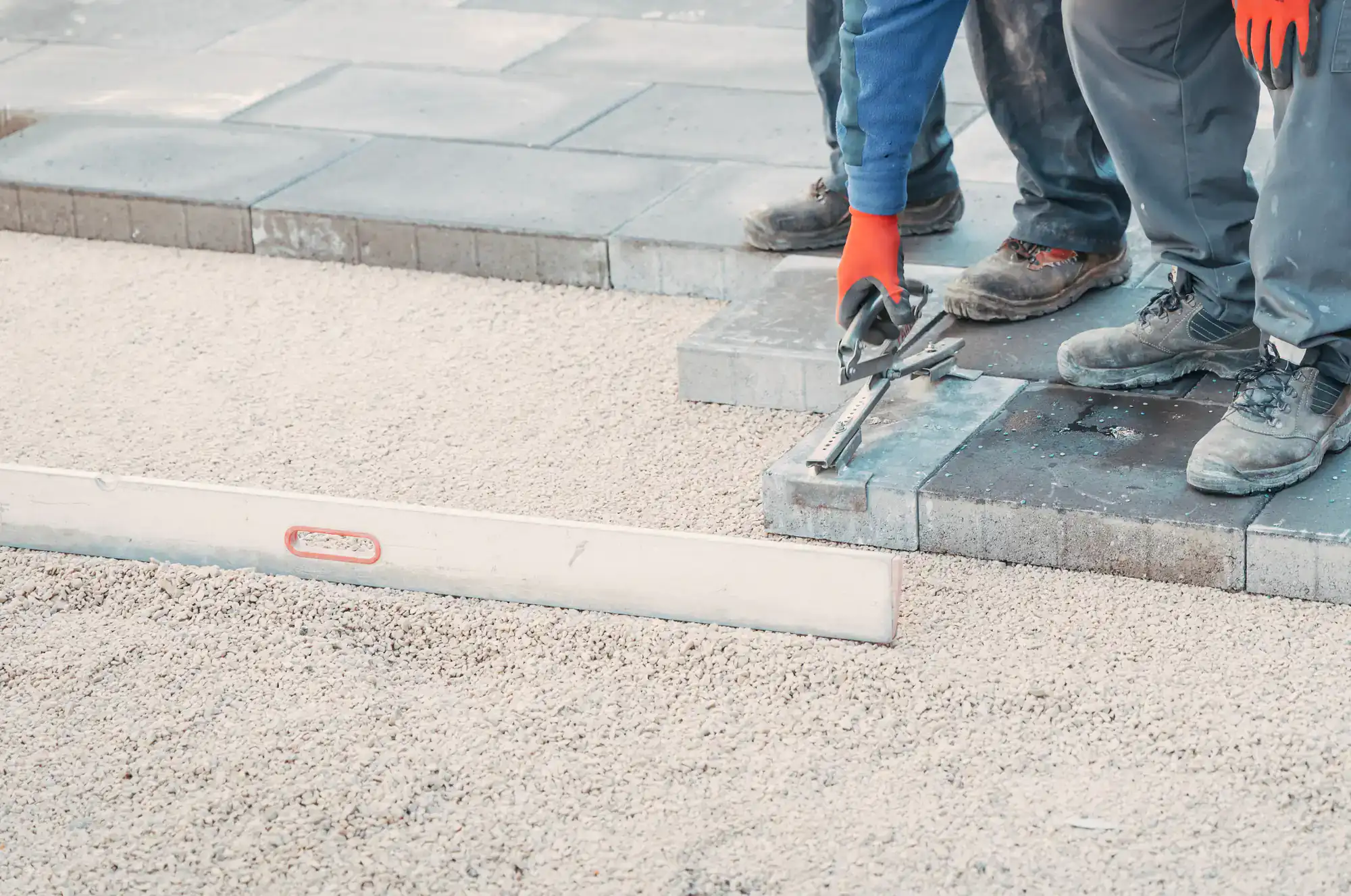
Masonry workers installing concrete pavers for a patio or walkway.

Masonry Contractors Near Me Eatonville

From First Call to Finished Work Here's Our Process

It starts with an assessment. Before any pricing conversation, the work gets a proper look what’s failing, why it’s failing, and what the right fix actually is. In Eatonville, that often means evaluating older masonry on homes that have been through decades of Florida weather: checking mortar joints for softness or voids, looking for moisture intrusion behind brick or block, and identifying whether a surface issue is cosmetic or structural.

From there, you get a written estimate that breaks down the scope and cost clearly. No vague line items, no “we’ll figure it out as we go.” If the job requires a permit which structural masonry work in Orange County typically does that process is handled as part of the project, not handed off to you to figure out. Florida requires licensed masonry contractors to pull permits for this type of work, and we hold the state certification to do exactly that.

Scheduling accounts for Eatonville’s rainy season. If your project falls between May and October, the plan includes weather contingency protective measures, humidity-appropriate mortar protocols, and honest communication about how afternoon storms may affect daily progress. Once the work is done, a follow-up call confirms everything met expectations. That’s not a formality it’s part of how we close every job.

Workers installing pavers for a stone masonry project in Altamonte Springs, FL.

Masonry Work and Construction in Eatonville

Every Masonry Need, One Crew That Knows the Difference

We handle the full range of masonry work tuckpointing, brick repair and replacement, concrete block construction and repair, retaining walls, masonry restoration, chimney work, steps, walkways, and structural assessments. If it involves masonry, it’s in scope.

For Eatonville specifically, a significant portion of our work involves repair and restoration rather than new construction. The town’s residential core is made up of older homes, many with brick foundations, block elements, and masonry features that have been in place for 50 or more years. Repairing those structures correctly means matching mortar in color, texture, and strength to what’s already there not just filling a void with whatever’s on hand. A visible patch that doesn’t match the surrounding masonry isn’t a repair. It’s a different kind of problem.

The Wymore Road corridor is also seeing new development activity, with commercial construction underway near the former Hungerford site. Property managers and commercial tenants in that area have masonry needs that look different from residential repair new block construction, commercial-grade work, and ongoing maintenance on larger structures. We serve both sides of that equation. Whether it’s a cracked brick step on a family home near Kennedy Boulevard or a block wall on a commercial property, the same standards apply: written scope, licensed work, and a finished product that holds.

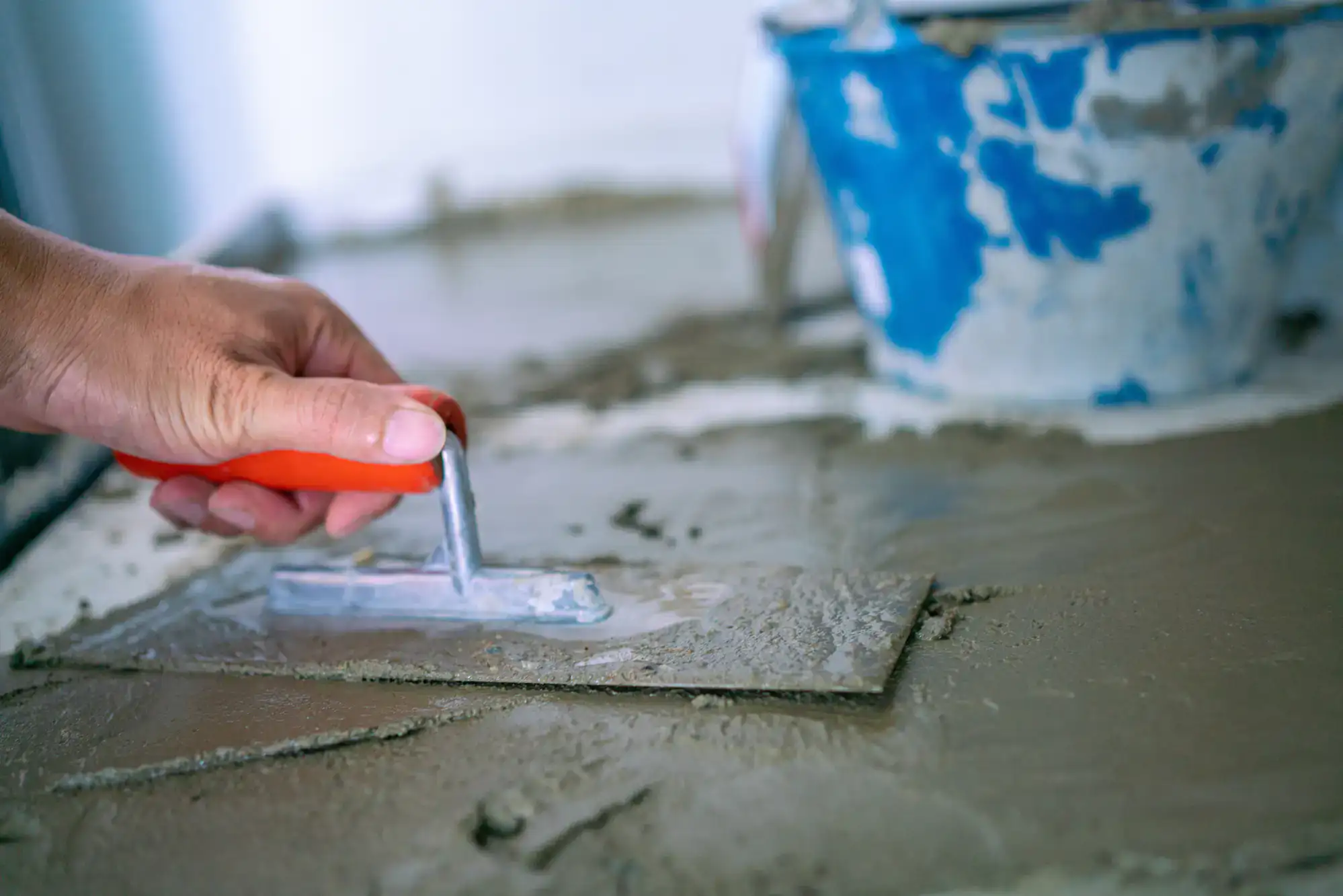
Trowel spreading concrete for masonry work in Altamonte Springs, FL.

Does masonry work in Eatonville require a permit from Orange County?

It depends on the scope. Cosmetic repairs like tuckpointing a few mortar joints or patching a small section of brick typically don’t require a permit. But structural masonry work does. That includes retaining walls above a certain height, foundation repairs, new block wall construction, and any work that affects the load-bearing integrity of a structure. In Orange County, which governs Eatonville, these projects fall under the Florida Building Code and require a licensed masonry contractor to pull the permit before work begins.

This matters for a few reasons. First, unpermitted structural work can create problems when you sell the property inspectors will find it, and it becomes your issue to resolve. Second, Florida requires masonry contractors to hold a State Certificate of Competency to legally pull permits. If a contractor tells you a structural job doesn’t need a permit, that’s worth questioning. We handle the permitting process as part of the project, so you’re not navigating Orange County’s building department on your own.

Tuckpointing removing deteriorated mortar and packing in fresh material is the right call when the brick or block itself is still structurally sound but the mortar joints have failed. You’ll typically see this as crumbling, recessed, or missing mortar between bricks, sometimes accompanied by efflorescence (white salt deposits) or moisture staining on the wall surface. In Eatonville’s older housing stock, where many homes were built in the 1940s through 1960s, this is one of the most common masonry conditions. Mortar has a service life of 20 to 30 years under normal conditions and Florida’s heat cycling and humidity accelerate that timeline.

Full brick replacement becomes necessary when the masonry units themselves are spalling, cracked through, or have absorbed so much moisture that they’ve lost structural integrity. A proper assessment will tell you which situation you’re dealing with. The key thing to avoid is using the wrong mortar for a repair a mix that’s harder than the original can actually damage the surrounding brick over time, which is a common mistake on older structures. Getting the material match right matters as much as the repair itself.

Yes, but it requires planning that a lot of contractors skip. Eatonville’s rainy season runs May through October, with June averaging over seven inches of rainfall. Afternoon thunderstorms are nearly daily during the peak summer months, and sustained humidity creates conditions that affect how mortar cures. The American Concrete Institute defines hot weather masonry conditions as temperatures above 90°F with wind above 8 mph which describes a standard Central Florida summer afternoon. Under those conditions, mortar can flash-set too quickly, compromising the bond.

A contractor who accounts for this will use protective coverings to shield fresh work from rain, adjust mortar mixes for high-humidity environments, and schedule pours and applications during cooler morning hours when possible. They’ll also be upfront with you about how a storm delay affects the timeline not vague about it. If you’re planning a masonry project and the calendar puts it in the rainy season, that’s not a reason to wait necessarily. It’s a reason to make sure the contractor has a real weather contingency plan, not just a verbal shrug.

That’s efflorescence and it’s extremely common in Central Florida, including Eatonville. It happens when water moves through masonry, picks up soluble salts from within the material, and deposits them on the surface as it evaporates. The result is a white, chalky, or crystalline stain that shows up on brick, block, or mortar. It’s not just cosmetic it’s a signal that moisture is actively moving through your masonry, which over time leads to mortar degradation, spalling, and potential structural issues.

In Eatonville’s climate, where the rainy season delivers consistent moisture followed by drying heat, the wet-dry cycle is one of the primary drivers of efflorescence. Cleaning it off the surface is straightforward, but it comes back if the underlying moisture pathway isn’t addressed. That might mean repointing failing mortar joints that are letting water in, improving drainage around the base of a wall, or applying a breathable masonry sealer after repairs are complete. Treating the stain without treating the cause is a short-term fix. A proper assessment identifies where the moisture is entering and addresses it at the source.

It varies significantly based on what’s actually failing and how far the damage has progressed. A tuckpointing job on a small section of a residential wall might run a few hundred dollars. A larger tuckpointing project covering significant square footage of an older Eatonville home could be in the $1,000 to $3,000 range depending on the extent of mortar failure and accessibility. Structural block wall repair or partial reconstruction sits higher often $2,000 to $6,000 or more depending on scope. These are general ranges, not quotes.

What drives cost up most consistently is deferred maintenance. A mortar joint that’s been failing for two or three rainy seasons doesn’t just need tuckpointing anymore it may have allowed moisture into the brick or block behind it, expanding the repair scope considerably. In Eatonville, where many homes are older and have masonry elements that have been in place for decades, catching issues early is genuinely cost-effective. A written estimate before work begins is the only way to know exactly what you’re looking at for your specific property which is why we don’t start any job without one.

Yes and that familiarity matters more in Eatonville than in most places. In May 2024, the National Trust for Historic Preservation named Eatonville one of America’s 11 Most Endangered Historic Places. The town’s buildings including St. Lawrence A.M.E. Church, which dates to 1881, and the residential structures throughout the historic district are part of a nationally recognized heritage. Masonry work on structures like these requires a different level of care than a standard repair job.

The most common mistake on historic masonry is using the wrong mortar. Modern Portland cement mortars are harder than the original lime-based mortars used in older structures. When you pack a harder mortar into a joint on a softer historic brick, the brick absorbs the stress instead of the mortar and over time, the brick spalls and cracks. The repair ends up causing more damage than the original failure. We match mortar to the existing material in strength, composition, color, and texture, because a repair that compromises the integrity of a historic structure isn’t a repair. For projects on or near designated historic properties in Eatonville, it’s also worth confirming whether any preservation guidelines apply something we can help you think through before work begins.

Other Services we provide in Eatonville