Masonry Contractor in Azalea Park, FL

70-Year-Old Walls Don't Lie Yours Shouldn't Either

Azalea Park’s mid-century concrete block homes were built to last. But mortar joints don’t last forever especially in a flood zone. We give you straight answers, written estimates, and masonry repair that actually holds up here.
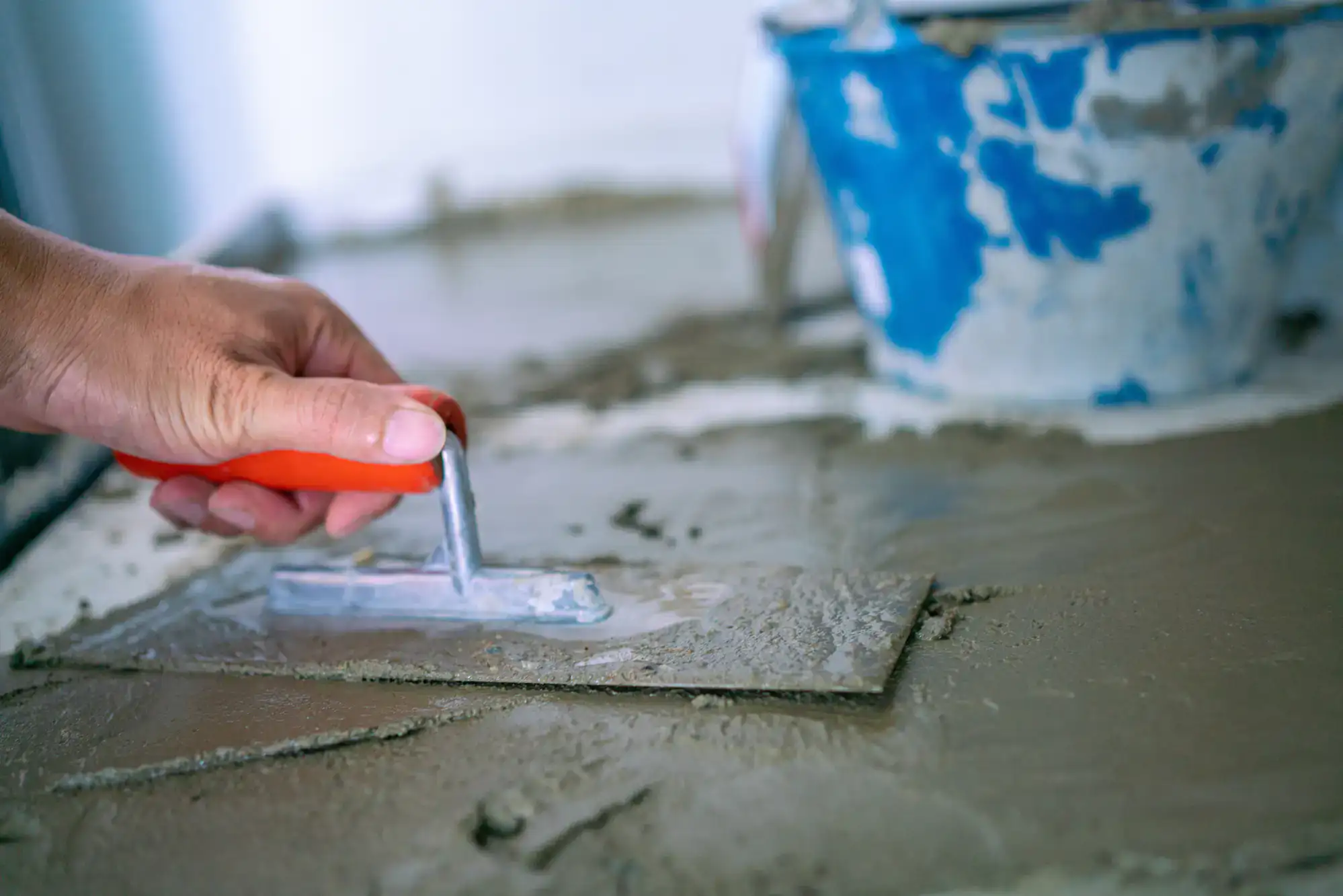
Trowel spreading concrete for masonry work in Altamonte Springs, FL.

Hear From Our Clients

[Add Trustindex Slider Here]
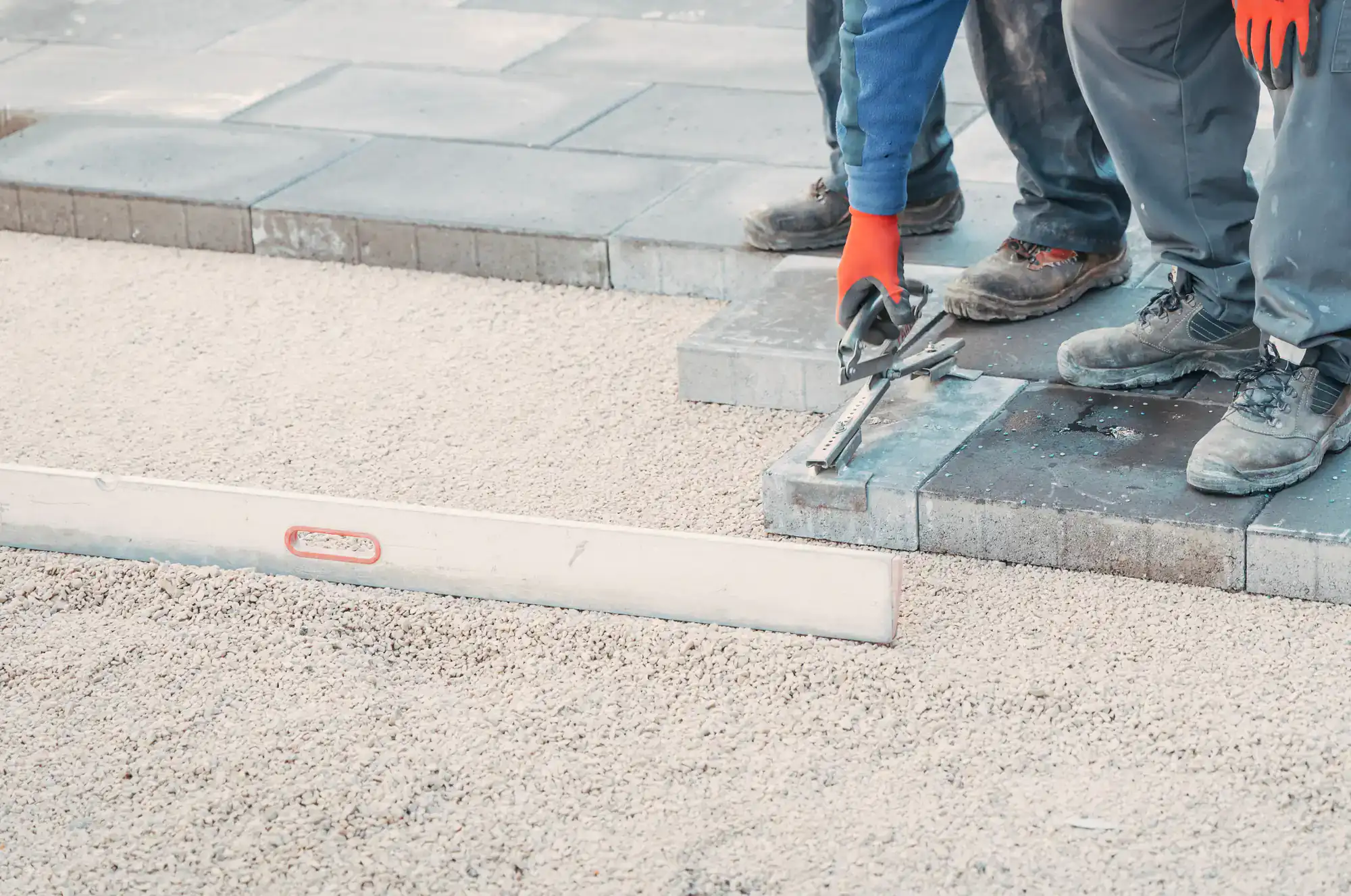
Masonry workers installing concrete pavers for a patio or walkway.

Masonry Repair in Azalea Park

What Changes When the Masonry Is Done Right

When mortar joints fail on a 1950s concrete block home in Azalea Park, water doesn’t knock it just walks in. With a shallow water table and a documented flood zone, that moisture isn’t just coming from above. It’s pushing up from the ground, wicking through block walls, and showing up as white salt deposits, soft spots, and cracks that get worse every rainy season. Getting ahead of it isn’t optional it’s the difference between a $600 repair and a $6,000 rebuild.

Once the masonry is properly restored, you get a home that actually keeps water where it belongs. No more efflorescence reappearing every summer on your exterior block. No more wondering whether that crack near the foundation is cosmetic or structural. You get clarity on what was wrong, what was done, and what to watch for because that’s how a repair should work.

There’s also the practical side: permitted, documented masonry work protects your home’s value. Buyers and inspectors notice deferred maintenance on older homes, and a properly repaired wall with Orange County permits on file is a selling point, not a question mark. Whether you’ve owned your home for thirty years or just bought it, that paper trail matters.

Masonry Contractors Serving Azalea Park

Licensed, Local, and Straight With You

We’re a full-service masonry contractor serving Azalea Park and the surrounding East Orlando corridor, including the 32807 zip code. The work here isn’t generic it’s built around what Azalea Park actually has: aging concrete block construction, sandy soil, flood zone conditions near Lake Barton, and homes that have been through decades of Florida summers without always getting the maintenance they needed.

Because Azalea Park is an unincorporated community, all permits run through Orange County not a city building department. We’re licensed to pull those permits directly, which means your project is legal, inspectable, and won’t create headaches when you go to sell or file an insurance claim. That’s not a small thing in a neighborhood where a lot of work gets done without one.

Every job comes with a written estimate before anything starts, a project tracking process that keeps you informed while the work is happening, and a follow-up call after it’s done. No ghosting, no surprises on the invoice, no wondering what’s going on.

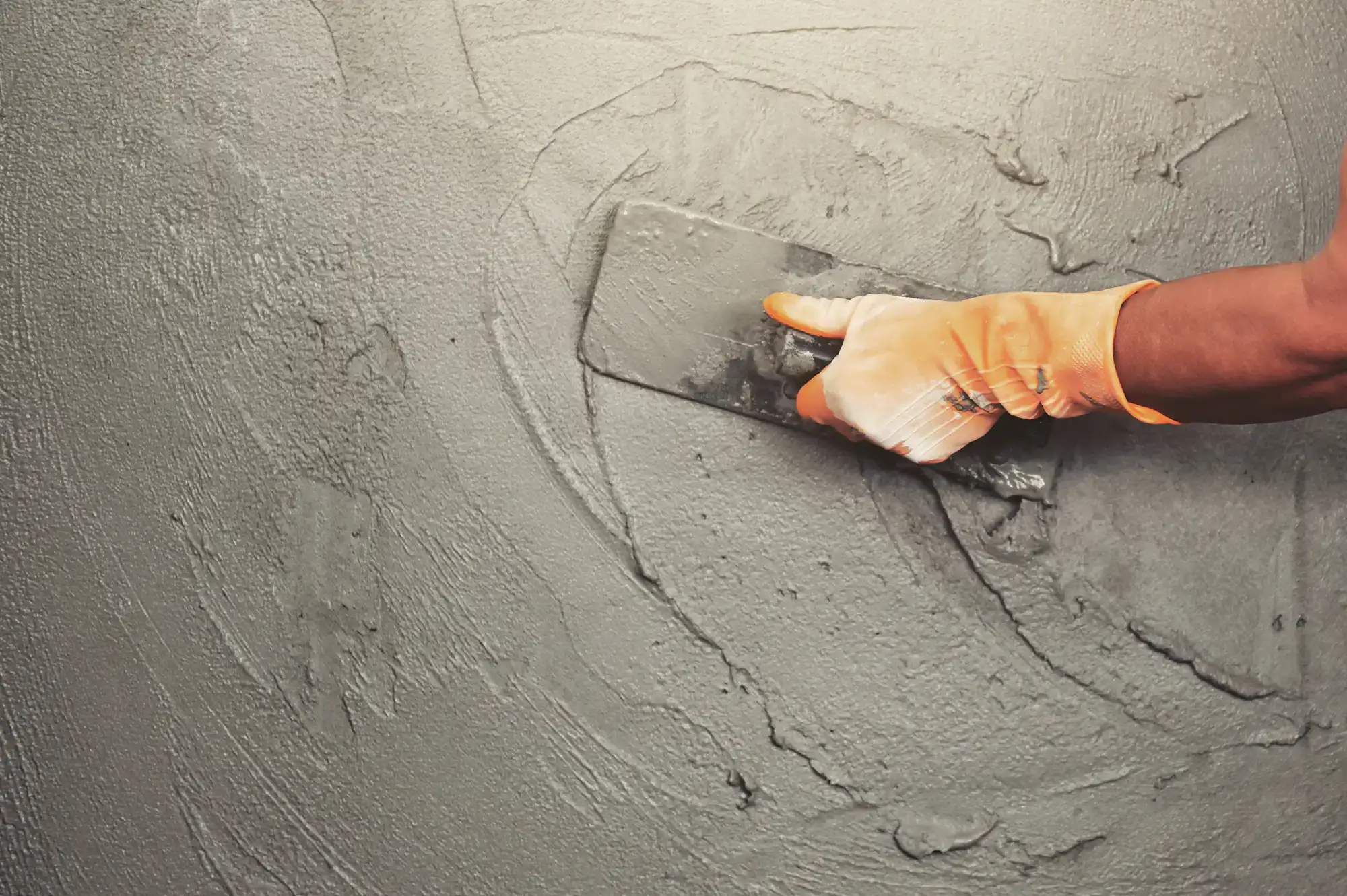
Worker smoothing freshly poured concrete with a trowel in construction site.

How Masonry Work Gets Done Here

From First Look to Final Inspection No Guesswork

It starts with an honest assessment. When we come out to your Azalea Park property, the goal isn’t to find the most expensive version of your problem it’s to understand what’s actually going on. On a 1950s concrete block home, that means looking beyond the visible crack or stain to understand whether moisture is moving through the wall, whether the mortar failure is isolated or widespread, and whether there’s a drainage issue underneath that will undo any surface repair within a season or two.

From there, you get a written, itemized estimate. Not a ballpark. Not a verbal number someone said in the driveway. A document that shows what the work is, what it costs, and what it includes. If the project requires an Orange County permit which structural masonry work typically does we handle that process for you. You don’t have to navigate the county’s building department on your own.

Once work begins, you’re not left wondering. The project tracking process keeps you updated at each stage, from material delivery through final inspection. Scheduling accounts for Azalea Park’s summer weather afternoon thunderstorms are a near-daily reality from May through October, and active masonry work needs to be protected from sudden downpours and extreme heat that can compromise a fresh mortar set. The job isn’t done until the follow-up call confirms you’re satisfied.

Person smoothing concrete surface with trowel for masonry work.

Masonry Work and Tuckpointing Near Me

Every Masonry Service Azalea Park's Homes Actually Need

The most common masonry need in Azalea Park is tuckpointing the process of removing deteriorated mortar from joints and replacing it with fresh, properly mixed mortar that bonds to the existing block or brick. On homes built in the 1950s, this isn’t cosmetic work. It’s structural maintenance. Mortar joints have a natural lifespan of 20 to 30 years under normal conditions, and Florida’s heat and humidity compress that timeline. Most of Azalea Park’s housing stock is well past due.

Beyond tuckpointing, we handle spalling brick and block repair, retaining wall repair and construction, foundation masonry assessment and restoration, efflorescence treatment, and drainage-related masonry work. That last category matters specifically here Azalea Park’s flood zone designation and aging stormwater infrastructure mean that water sits against foundation masonry longer than in newer communities. A repair that doesn’t account for that drainage pressure won’t hold.

For small business owners and property managers with commercial frontage along East Colonial Drive or Goldenrod Road, the same services apply to storefronts, office buildings, and multi-unit properties. Mortar color matching is done to your existing masonry not just for aesthetics, but because a visible patch on a commercial property sends the wrong message to every customer who walks by. Whatever the scope, you’ll know what it costs before the first tool comes out.

Workers installing pavers for a stone masonry project in Altamonte Springs, FL.

Do I need a permit for masonry work on my Azalea Park home?

It depends on the scope. Cosmetic repairs like patching a small section of mortar or sealing surface cracks typically don’t require a permit. But anything that touches structural masonry, including retaining walls above a certain height, foundation block work, or load-bearing wall repair, will generally require a permit through Orange County’s building department.

This is an important distinction for Azalea Park specifically. Because the community is an unincorporated CDP, there’s no city building department all permits go through Orange County. Some contractors skip this step entirely, which means the work isn’t inspected, isn’t on record, and could create problems if you file an insurance claim or go to sell the home. We’re licensed to pull Orange County permits directly and handle that process as part of the job, so you don’t have to figure it out yourself.

Tuckpointing generally runs $5 to $25 per square foot, depending on the condition of the existing mortar, the accessibility of the wall, and how much prep work is needed before new mortar can be applied. For a typical project on a mid-sized residential wall, you’re often looking at somewhere between $400 and $2,500. Larger jobs or walls with significant deterioration can run higher.

For Azalea Park homeowners, the more relevant number is what it costs to wait. On a 1950s concrete block home in a flood zone, deteriorating mortar joints don’t stay stable they let moisture in, and moisture in a block wall in this climate leads to mold, spalling, and eventually structural damage that costs far more to fix than the original tuckpointing would have. Getting a written estimate now gives you a real number to work with, not a surprise later.

Efflorescence is the white, chalky deposit you see on brick and block walls. It happens when water moves through masonry, picks up soluble salts from inside the material, and deposits them on the surface as it evaporates. Washing it off removes the deposit, but it doesn’t stop the water movement so it comes back.

In Azalea Park, efflorescence is particularly common because of the community’s shallow water table and flood zone conditions. Moisture isn’t just coming from rain hitting the exterior it’s wicking upward from the ground through the block, especially on older homes where the original waterproofing has long since degraded. Properties near Lake Barton see this more often than most. The right fix addresses the moisture pathway whether that’s improved drainage, a masonry sealer applied correctly, or repointing joints that are letting water in not just the surface stain. We assess the source before recommending a solution.

The honest answer is that you usually can’t tell just by looking at it and that’s not meant to alarm you, it’s just the reality of concrete block construction. Hairline cracks in mortar joints are often the result of normal thermal expansion and are manageable with tuckpointing. But stair-step cracks that follow the mortar joints diagonally, horizontal cracks running across multiple blocks, or cracks that are wider at one end than the other can indicate foundation movement or structural stress that needs more than a surface patch.

In Azalea Park, the sandy soil and shallow water table add a layer of complexity. Soil that shifts under hydrostatic pressure especially after heavy rain events or during the rainy season can cause cracks that look minor but are actually progressing. A proper assessment looks at the crack pattern, the wall’s overall condition, and the drainage situation around the foundation before drawing any conclusions. That’s the only way to give you an honest answer about what you’re dealing with.

The three most common issues we see on Azalea Park’s mid-century housing stock are mortar joint failure, efflorescence, and spalling and they’re usually connected. Mortar joints on homes built in the 1950s are well past their service life. Once they start to fail, water gets into the block. Florida’s heat causes that moisture to expand and contract repeatedly, which chips and flakes the block face that’s spalling. Meanwhile, the same moisture movement produces the white salt deposits on the surface.

The flood zone designation and aging drainage infrastructure in the neighborhood mean that water sits against foundation masonry longer than it would in a newer community with modern stormwater systems. Homes closest to Lake Barton or in low-lying sections of the 32807 zip code tend to see these issues more aggressively. The good news is that all three are addressable but the repair sequence matters. Fixing the surface without addressing the moisture source is a short-term answer to a long-term problem.

Masonry work has real weather constraints. Fresh mortar needs time to cure, and a sudden afternoon thunderstorm the kind that drops two inches in forty-five minutes, which is a normal summer afternoon in Azalea Park can wash out a joint that was just filled or compromise the bond on a fresh pour. Extreme heat creates its own problem: temperatures near 95°F with low humidity can cause mortar to cure too fast, which weakens the final bond. Both conditions are common here from May through October.

We build weather contingency into every project schedule from the start. That means scheduling critical pours and joint work for early morning before the heat peaks, using protective coverings on active work when storms are in the forecast, and communicating clearly when a delay is necessary rather than pushing through conditions that would compromise the finished product. You’ll know in advance what the weather plan is, and you’ll hear from us if it changes not find out after the fact that something had to be redone.

Other Services we provide in Azalea Park