Licensed and insured concrete and masonry contractors serving Central Florida. Quality work, honest pricing, no surprises.
Contact Info
Hear From Our Clients
Most concrete failures in Oakland don’t start at the surface they start underneath it. The sandy, moisture-heavy soils along Lake Apopka’s southern shore shift, settle, and hold water in ways that punish any pour that skips proper site preparation. When a contractor doesn’t account for what’s below your driveway or patio, you’re looking at cracks within a few seasons, not a few decades.
A properly prepared slab changes everything. Correct drainage grading, compacted base material, and the right concrete mix for Florida’s humidity don’t just extend the life of the surface they protect the investment underneath it. For Oakland homeowners near the lake’s lower basin areas, where the town’s own stormwater drainage challenges are well-documented, this isn’t optional. It’s the difference between a surface that lasts and one that becomes a trip hazard by next summer.
Whether you’re updating an aging driveway on one of Oakland’s historic oak-lined streets or adding an outdoor patio to a new home near the West Orange Trail corridor, the outcome is the same: a surface that looks right, drains right, and doesn’t require a call back in two years. That’s what concrete work done with Oakland’s conditions in mind actually delivers.
We are a Central Florida masonry and concrete contractor working throughout Orange County and the surrounding region. Oakland is part of that territory not as an afterthought, but as a town with its own permit process, its own soil conditions, and its own character that we understand before we show up.
Oakland’s Building and Permit Department runs through Willdan Engineering, Inc., a third-party firm that handles all permitting and inspections electronically under the 8th Edition Florida Building Code. Most contractors don’t know that. We do and we handle the entire permit process on your behalf so you’re not left chasing paperwork or dealing with an open permit when it’s time to sell.
From the newer homes going up near Briley Farm to the older housing stock in Oakland’s historic core, we’ve worked with the full range of what this town looks like. Every project gets the same written quote upfront, the same licensed team, and a follow-up call after the work is done. No guessing, no surprises.
It starts with a site visit and a written quote. Before anything is scheduled or agreed to, you’ll have a clear, itemized breakdown of what the project costs materials, base preparation, reinforcement, finishing, cleanup, and permit fees. There’s no verbal estimate that balloons into something else once the crew arrives.
Once the project is scheduled, we handle the permit submission through Willdan Engineering. In Oakland, that means electronic submission and coordinated inspection scheduling a process that trips up contractors who aren’t familiar with how the town operates. We’ve done it before, and we manage it so the job doesn’t stall waiting on paperwork.
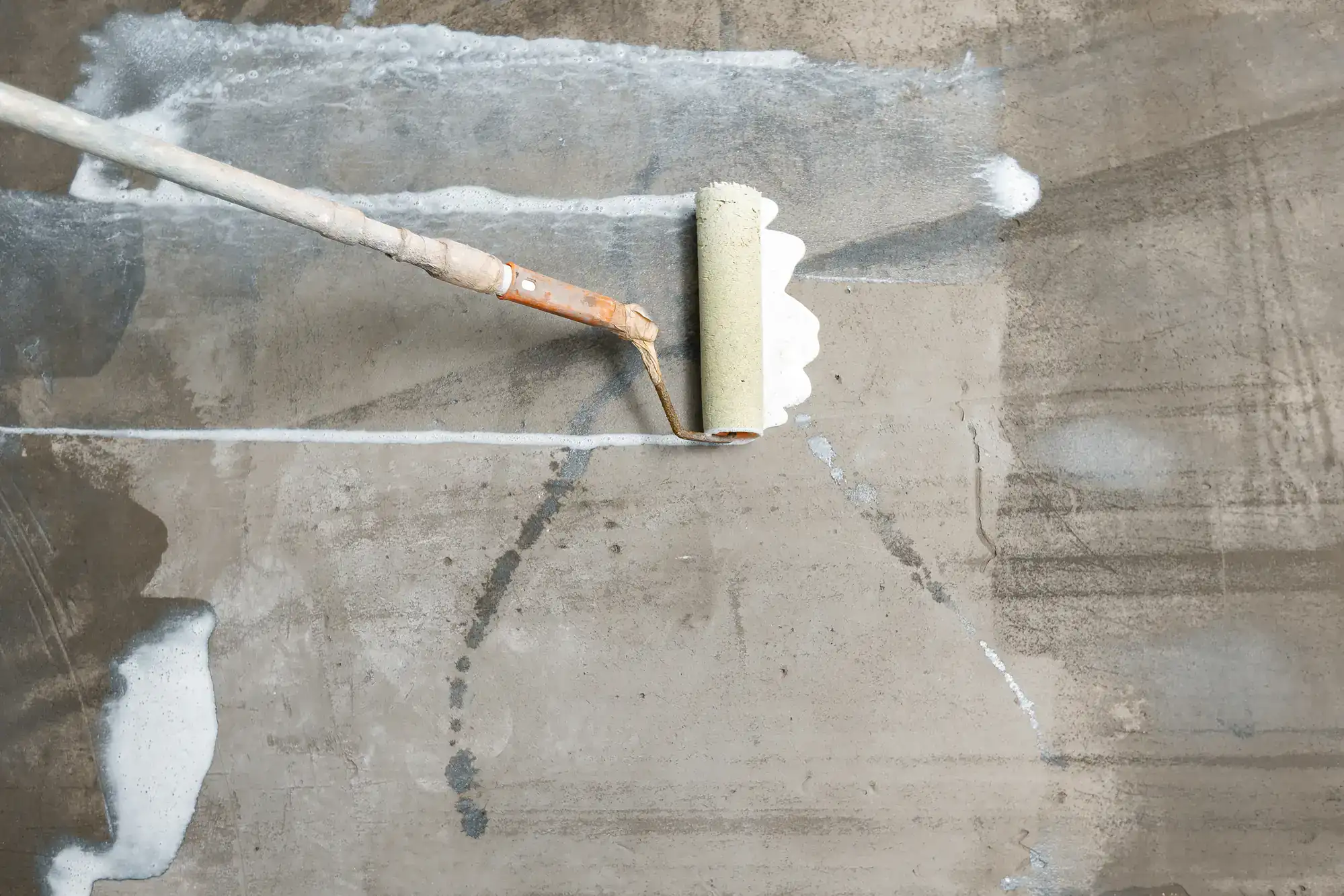
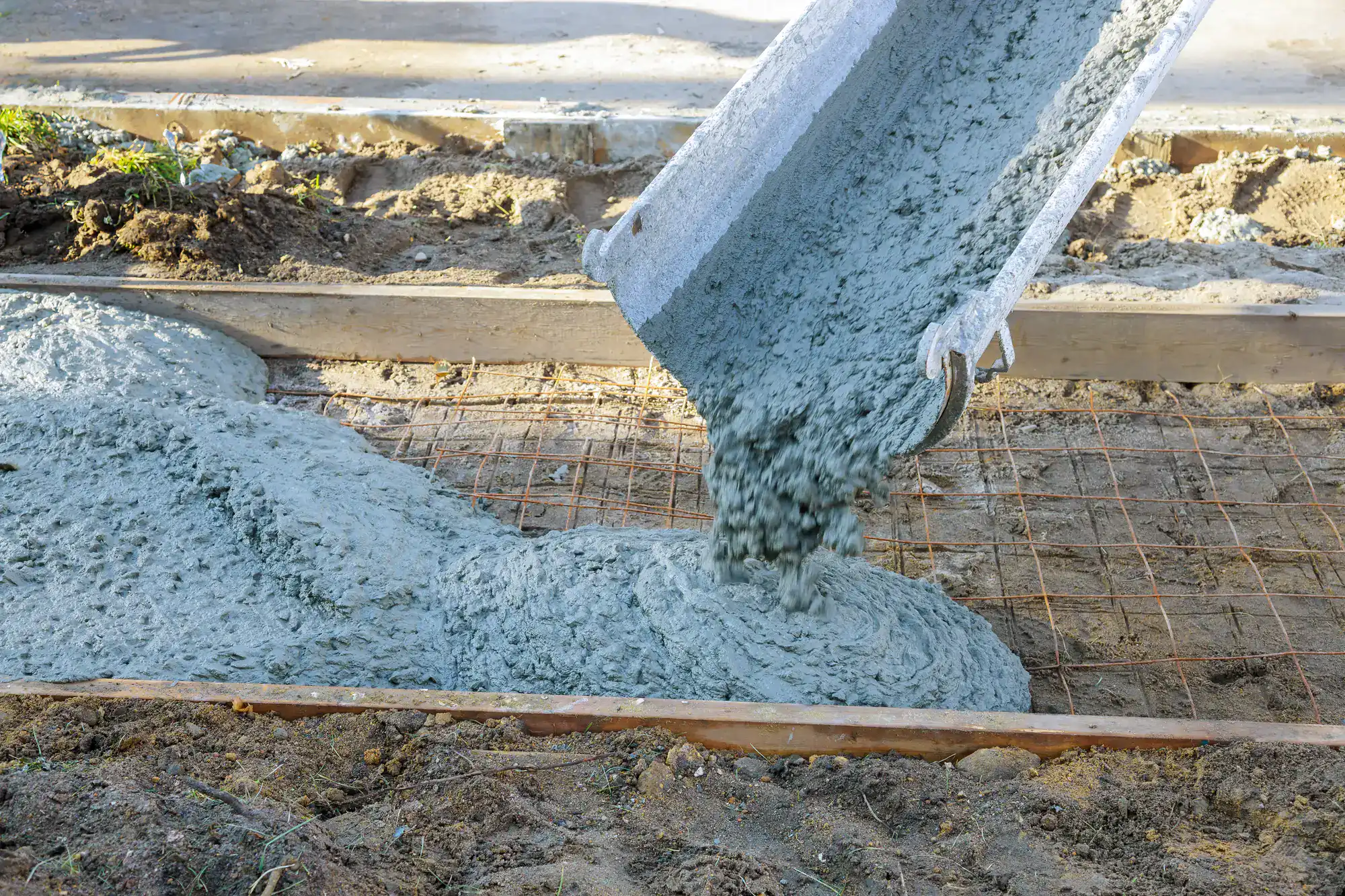
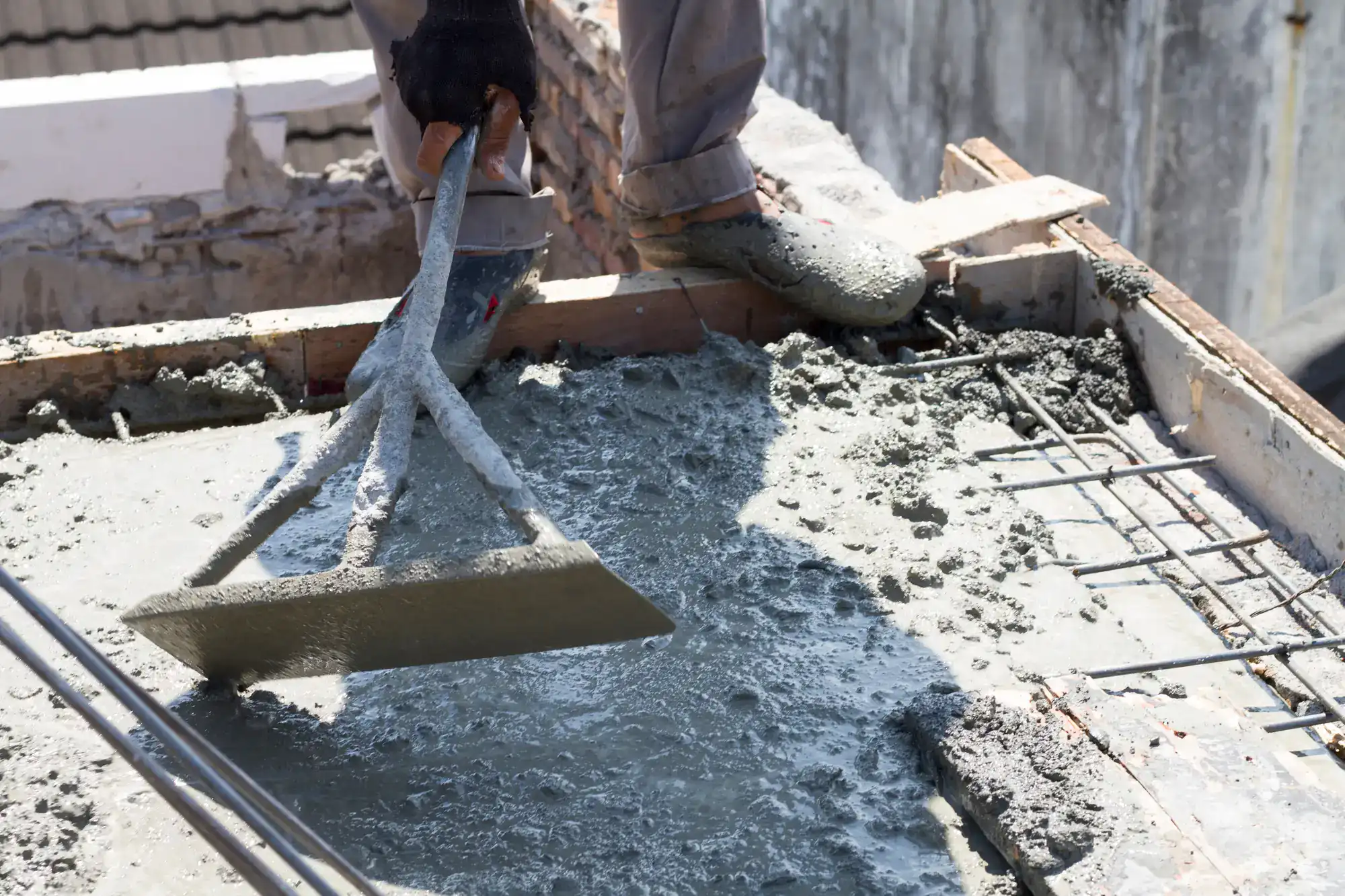
On-site, the work starts with the ground. That means proper excavation, compaction, and drainage grading before a single yard of concrete is poured. Oakland’s rainy season runs May through October, and the town’s lower-lying areas near Lake Apopka are especially vulnerable to water pooling around slabs. We grade for drainage from the start, not as a fix after the fact. After the pour, curing is monitored with the lakeside humidity in mind because finishing timelines near the water are different than they are inland. When the job is done, you’ll get a follow-up call to confirm everything looks right.
Ready to get started?
We handle the full scope of residential and commercial concrete work driveways, patios, slabs, walkways, pool decks, steps, and structural pours. If it involves concrete or masonry, it’s in our wheelhouse. You don’t need to find a separate contractor for each piece of an outdoor project.
For Oakland specifically, the demand breaks into two distinct categories. The historic homes near Oakland Avenue and the town’s older residential streets often need repair or full replacement cracked driveways from decades of Florida’s freeze-thaw-free but moisture-heavy cycles, settling walkways, or aging slab foundations that need professional assessment before they become a bigger problem. On the other end, newer construction near Briley Farm where homes are being built with outdoor pavilions, covered patios, summer kitchens, and pool decks calls for decorative and stamped concrete work that matches the architectural character of a premium property.
Both categories get the same standard: a written quote before work begins, permits pulled and managed through Willdan Engineering, drainage grading built into every pour, and project tracking so you always know where things stand. Orange County requires a permit for every concrete pour, and we don’t cut corners on that both because it’s the law and because an unpermitted slab is a liability you’ll eventually have to deal with. Every job is finished to the standards of the 8th Edition Florida Building Code, inspected, and closed out properly.
Yes in Orange County, a permit is required any time you pour concrete, regardless of the project size. That applies to driveways, patios, slabs, walkways, and pool decks. Skipping the permit might seem like a way to save time or money upfront, but an unpermitted pour can create real problems when you refinance or sell your home. Lenders and title companies look for open or missing permits, and resolving one after the fact is often more expensive and disruptive than pulling it correctly from the start.
What makes Oakland slightly different from other Orange County towns is the permitting pathway itself. Oakland’s Building and Permit Department is contracted to Willdan Engineering, Inc., a third-party engineering firm. All applications must be submitted electronically, and inspections are coordinated through Willdan directly. Most contractors aren’t set up for this process and either delay your project or skip the permit entirely. We handle the full permit submission and inspection scheduling on your behalf it’s part of how we work in Oakland, not an add-on.
A properly installed concrete driveway in Central Florida can last 30 years or more. The keyword there is properly installed. Oakland’s position on the southern shore of Lake Apopka means the soil holds more moisture than inland areas, the ambient humidity runs higher year-round, and the groundwater table fluctuates with the seasons. These conditions accelerate deterioration in slabs that weren’t prepared correctly especially if drainage wasn’t graded away from the structure during installation.
The Florida Building Code requires soil to slope away from foundations at a 5% grade for at least 10 feet. That’s not just a code requirement it’s what keeps water from sitting under your slab and slowly undermining it from below. When base preparation, drainage grading, and the right concrete mix are all done correctly for Oakland’s lakeside conditions, the surface holds up. When they’re not, you’re typically looking at cracking and settling within five to ten years, not thirty. The difference between a driveway that lasts and one that doesn’t usually comes down to what happened before the concrete was ever poured.
The most common cause isn’t the concrete itself it’s what’s underneath it. Sandy soils with high moisture content, like those found throughout the Lake Apopka basin in Oakland, shift and compact unevenly over time. When the base isn’t properly prepared before a pour, voids form beneath the slab, and the concrete eventually cracks under its own weight or under traffic load. Poor drainage compounds the problem: water that pools under a slab softens the base and accelerates settling.
Florida’s rainy season May through October puts additional stress on surfaces that weren’t graded correctly. In Oakland’s lower basin areas, where the town has documented stormwater drainage challenges, this is especially relevant. Add in the fact that Central Florida is sinkhole country, with underground limestone dissolution capable of creating sudden settling beneath concrete structures, and you have a market where site assessment and base preparation aren’t optional steps. They’re what separate a slab that holds from one that becomes a repair project within a few years. Proper reinforcement, correct mix design, and controlled curing in Oakland’s humidity are the other pieces but it all starts with the ground.
Standard concrete installation in Florida typically runs between $6 and $10 per square foot installed, depending on the scope of the project, the site conditions, and the finish type. A basic 1,000-square-foot driveway replacement can range from $6,000 to $10,000. Decorative or stamped concrete the kind common in newer Oakland developments like Briley Farm, where outdoor patios and pool decks are part of the home’s design runs higher, typically $12 to $18 per square foot depending on the pattern and finish complexity.
Those ranges are starting points, not fixed numbers. Oakland-specific factors that affect your actual cost include site preparation requirements (drainage grading and base compaction are more involved near the lake’s water table), permit fees through Willdan Engineering, and the condition of the existing surface if you’re replacing rather than adding new. We provide written, itemized quotes before any work begins so you see exactly what you’re paying for, including materials, base prep, reinforcement, finishing, cleanup, and permits. No verbal estimates, no line items that appear after the fact.
Yes. Briley Farm is Oakland’s largest new residential development 150 homes on 111 acres adjacent to the Oakland Nature Preserve and the West Orange Trail. The homes being built there are premium properties with outdoor living as a core feature: covered patios, summer kitchens, pool decks, driveways, and lanais. That’s exactly the kind of multi-element outdoor concrete and masonry work we handle.
New construction in Briley Farm still requires permits through Oakland’s Willdan Engineering process, and the site conditions near Lake Apopka apply regardless of whether the home is brand new or decades old. We assess the drainage requirements for each specific lot, confirm the correct base preparation for the soil conditions present, and deliver decorative or standard concrete finishes that match the property’s character. If you’re building out an outdoor living space and want one licensed contractor who can handle the full scope slab, pool deck, driveway, walkways without coordinating multiple crews, that’s what we do.
Concrete and rain don’t mix well rain during a pour or immediately after can weaken the surface, affect the finish, and compromise the cure. In Oakland, this matters more than in some other areas because the town’s lower basin neighborhoods near Lake Apopka already have documented drainage sensitivity. A poorly timed pour during a summer storm event isn’t just a scheduling inconvenience it can affect the long-term integrity of the slab.
We monitor weather conditions actively during project scheduling. For larger outdoor projects, we plan around the May through October rainy season where possible the dry season from November through April is the optimal window for pours, especially for exposed surfaces like driveways and patios. When rainy season work is unavoidable or preferred, we adjust scheduling to morning windows when afternoon thunderstorms are the pattern, use appropriate curing compounds for high-humidity conditions, and communicate any weather-related adjustments to you before they affect your timeline. You’ll know about a delay before it happens, not the day the crew doesn’t show up. Project tracking keeps you informed at every stage, so there’s no wondering what’s going on or when the next step is happening.
Other Services we provide in Oakland